Google Places photo

Military Historical Museum

Astana, Kazakhstan
i

Google Places photo

Photo by Matt B

The Military Historical Museum in Astana unlocks decades of Kazakhstan's past, offering both casual visitors and history fans a powerful window into the region’s shifting world. The halls echo with stories of war and peace, victory and resilience. Unlike other landmarks that compete for attention with scale or spectacle, this museum draws people in quietly with thoughtful exhibits and stirring relics. Every corner whispers something about the nation’s journey and its enduring spirit.

Visiting Info

Currency
Entrance fee
Free
Hours
Opening hours
Monday: Closed
Tuesday: 10:00 AM – 5:00 PM
Wednesday: 10:00 AM – 5:00 PM
Thursday: 10:00 AM – 5:00 PM
Friday: 10:00 AM – 5:00 PM
Saturday: 10:00 AM – 5:00 PM
Sunday: 10:00 AM – 5:00 PM

Contact Information

Location
Address
Respublika Ave 2, Astana 010000, Kazakhstan

Planning Your Visit

Travelers should plan a visit to the Military Historical Museum with a bit of forethought to get the most enriching experience. Nestled in the central part of Astana, the museum rewards careful timing—and its engaging displays reward an unhurried pace. While the museum doesn’t often fill with heavy crowds, weekends and holidays bring a busier hum. Tickets are typically easy to buy at the door. Families, students, and solo explorers will find a warm welcome. The museum’s structure, a blend of old and new, is accessible but includes a few narrow corridors where patience is useful, especially for strollers or wheelchairs.

  • Best time to visit: Weekday mornings in spring or fall deliver quieter galleries and gentler weather.
  • How to get there: Take bus lines or a short taxi ride from almost anywhere in Astana’s center. For those exploring on foot, a pleasant walk through the government square brings you right to the steps.
  • Accessibility: Wheelchair ramps and elevators service most of the building. Friendly staff assist families, seniors, and visitors with special needs.
  • Average visit duration: Plan for one to two hours to appreciate the main exhibits without feeling rushed.
Must See Stuff

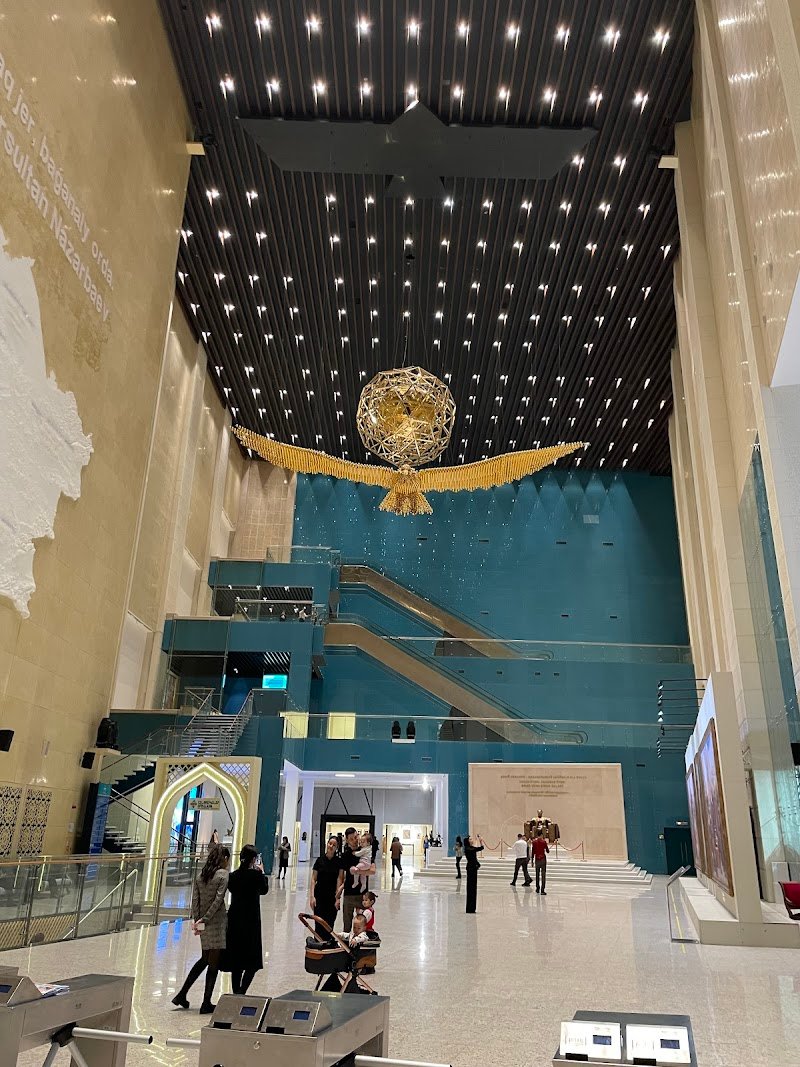
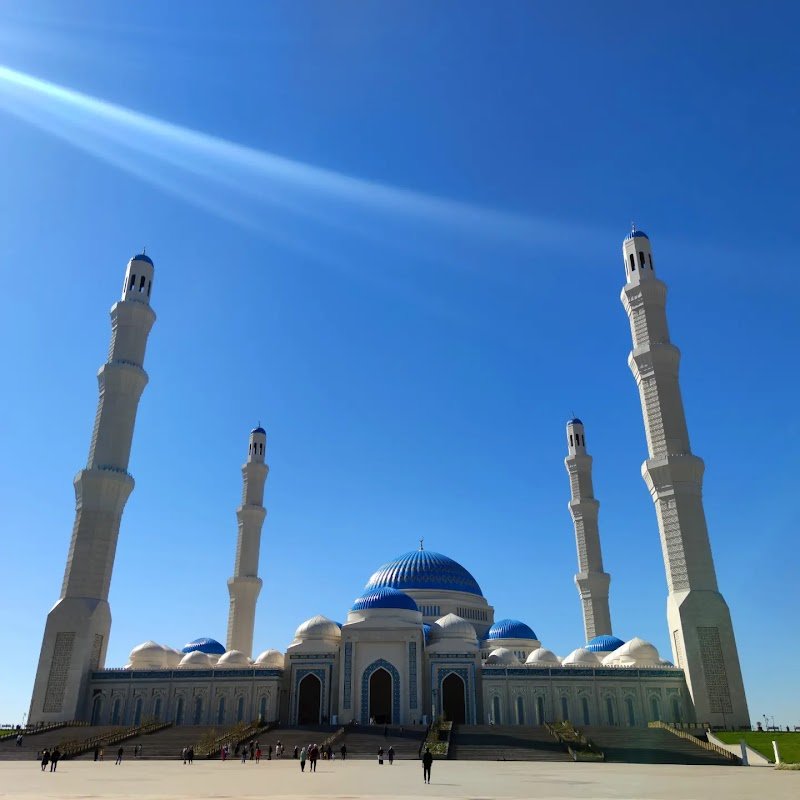
The Military Historical Museum delivers a rich journey through Kazakhstan’s defining moments. The central hall impresses with a sweeping exhibit of uniforms and weaponry, tracing how armies have shaped the country’s fate. Walk farther and the galleries reveal Soviet history, local heroes, and personal mementos rarely seen elsewhere. Upstairs, don’t miss evocative dioramas and the rare collection of wartime documents. Colorful murals and bold displays invite photographers to linger. Each section tells not just about grand battles, but about ordinary lives touched by extraordinary times. Beyond the exhibits, small alcoves offer quiet space for reflection and deeper understanding.

  • Key sights or features: The central atrium with historic tanks and artillery; Soviet and post-independence uniforms; hands-on exhibits for younger visitors.
  • Unique experiences: Personal stories of Kazakh soldiers; special temporary exhibitions focusing on pivotal events or anniversaries; guided tours available in Russian, Kazakh, and sometimes English.
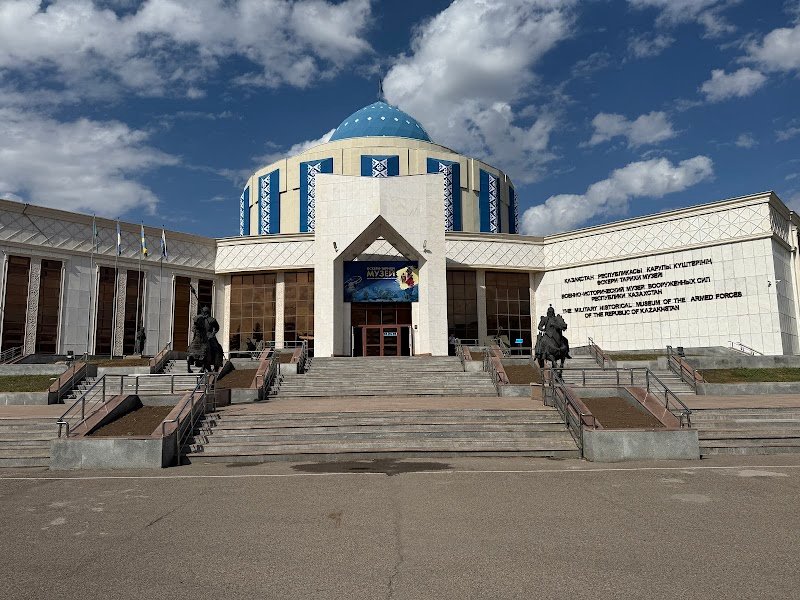
  • Photo-worthy locations: Panoramic murals; gleaming displays of medals and regalia; the striking façade with military sculptures.
  • Cultural or historical facts: Exhibits reveal Kazakhstan’s role in World War II and the pivotal transformations after the fall of the Soviet Union. Look for the hall dedicated to everyday life during wartime—a moving tribute to resilience and endurance.

Tips for Your Visit

Preparation makes a museum day stress-free and memorable. Comfortable shoes matter—the halls are long, with surprises around every corner. Photography is permitted but always check for signs near rare artifacts. While the café serves basic snacks, bringing a water bottle will help, especially with the dry Central Asian air. Respectful quiet in certain halls heightens the impact of personal stories on display. Local etiquette leans toward politeness and modest dress, especially when school groups tour alongside. Most visitors find the staff approachable, happy to answer questions or share extra historical tidbits. Those with limited time can focus on highlights, but the real treasures reward patience and curiosity.

  • Best times to avoid crowds: Early weekday mornings or late afternoons; avoid public holidays for a more peaceful visit.
  • What to bring: A camera, water, comfortable shoes, and a notepad for history buffs.
  • Local etiquette or rules: Keep voices low, avoid touching exhibits, and be mindful around reflective spaces.
  • Safety or comfort advice: Walk carefully near heavy displays and in busier corridors; use hand sanitizer provided at entry.