Google Places photo

Auckland War Memorial Museum

Auckland, New Zealand
i

Google Places photo

Photo by Chase

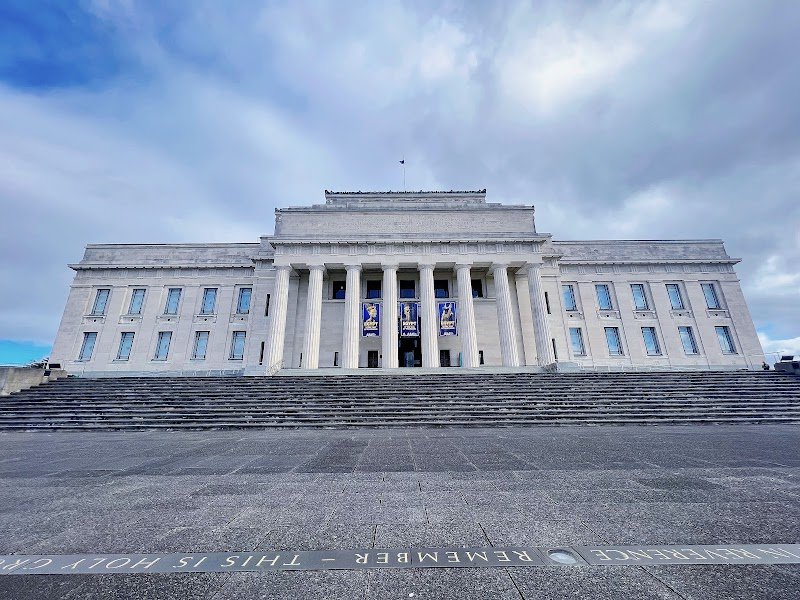
Rising from the grassy crest of the Auckland Domain, Auckland War Memorial Museum commands attention with its neoclassical columns and broad, dignified steps. Far more than an impressive façade, this museum interweaves stories of Pacific heritage, New Zealand history, and natural wonder. Time inside these walls becomes both a journey through the past and a celebration of life today.

Visiting Info

Currency
Entrance fee
28 NZD
Hours
Opening hours
Monday: 10:00 AM – 5:00 PM
Tuesday: 10:00 AM – 8:30 PM
Wednesday: 10:00 AM – 5:00 PM
Thursday: 10:00 AM – 5:00 PM
Friday: 10:00 AM – 5:00 PM
Saturday: 9:00 AM – 5:00 PM
Sunday: 9:00 AM – 5:00 PM

Contact Information

Location
Address
Parnell, Auckland 1010, New Zealand

Planning your visit

Planning a day at Auckland War Memorial Museum takes just a bit of forethought, rewarding visitors with a smooth and relaxed experience. The museum sits within Auckland Domain—a central, expansive park—making for scenic approaches whether arriving on foot, by car, or by public transport. Peak times, such as weekends and school holidays, see bustling galleries and lively family groups. Early mornings and late afternoons often offer a more peaceful experience, and weekdays bring fewer crowds. Booking tickets online can also help skip lines at popular exhibits.

  • Best time to visit: Early weekdays in spring or autumn provide mild weather and lighter crowds.
  • How to get there: Buses and trains connect frequently from the Auckland city center. On-site parking and bike racks are available near the park’s entrances.
  • Accessibility: Elevators, ramps, and accessible bathrooms welcome families with prams, visitors using wheelchairs, and those needing extra support.
  • Average visit duration: About 2-3 hours allows for the museum’s highlights, with some choosing to stay longer for temporary exhibitions or café breaks.

Must see stuff

This museum tells stories through exceptional displays and immersive experiences, with certain spaces attracting awe from both locals and travelers. Traditional Māori carvings preside over the grand atrium, while the upper floors pay tribute to New Zealanders who served in conflicts near and far. Beyond the headline displays, smaller galleries invite quiet moments of discovery—bone fossils of ancient creatures, hands-on scientific exhibits, and cabinets glittering with taonga (treasures) from throughout Oceania and Aotearoa.

  • Key sights or features: The Māori Court, with authentic meeting houses and waka (canoes); the World War I and II memorial galleries; and the volcano exhibit, where an earthquake simulator brings geology alive.
  • Unique experiences: Daily Māori cultural performances (check schedule); stunning city and harbor views from the surrounding park; audio guides offered in multiple languages.
  • Photo-worthy locations: The iconic entrance steps and columns, the domed central hall, and the panoramic outlook across Auckland from the museum steps.
  • Cultural or historical facts: The museum doubles as Auckland’s principal war memorial, with names and stories of the fallen inscribed in solemn halls. Its collections include priceless Māori and Pacific artifacts rarely seen elsewhere.

Tips for your visit

While Auckland War Memorial Museum offers a smooth experience for most guests, a few insider tips can turn a good visit into a great one. Crowds ebb and flow throughout the day; arriving early provides time and space to appreciate exhibits without the bustle. Coat racks and lockers near the entrance help lighten backpacks or bulky jackets. Photography is welcome in most areas, but be sure to check signs—sensitive cultural spaces may have restrictions. Finally, several quiet spots around the building and park offer respite from activity, perfect for snacks or reflection.

  • Best times to avoid crowds: Arrive at opening or after 3 pm, especially on weekdays.
  • What to bring: Comfortable shoes, a refillable water bottle (water fountains are located throughout), and a charged phone or camera.
  • Local etiquette or rules: Respect silence in memorial galleries; ask before touching immersive displays. Cultural performances deserve attentive, respectful audiences.
  • Safety or comfort advice: Lifts and wide corridors assist those with mobility challenges. Some exhibits use low light or sound effects—good to know for anyone sensitive to these conditions.

Similar Attractions