Google Places photo

Belgrade Zoo

Belgrade, Serbia

Green sanctuary and living museum, Belgrade Zoo stands as a favorite escape for locals and travelers alike. Under the proud walls of the Kalemegdan Fortress, this long-standing city zoo offers lively animal encounters blended with stories from Serbia’s past. Monkeys swing, peacocks wander, and giraffes crane their necks while visitors—families, photographers, and students—thread between shaded paths and historic stonework. Whether drawn by rare animals or sweeping city views, every visit brings a lively mix of discovery and delight.

Visiting Info

Currency
Entrance fee
800 RSD
Hours
Opening hours
Monday: 9:00 AM – 8:00 PM
Tuesday: 9:00 AM – 8:00 PM
Wednesday: 9:00 AM – 8:00 PM
Thursday: 9:00 AM – 8:00 PM
Friday: 9:00 AM – 8:00 PM
Saturday: 9:00 AM – 8:00 PM
Sunday: 9:00 AM – 8:00 PM

Contact Information

Location
Address
Mali Kalemegdan 8, Belgrade 11000, Serbia Belgrade RS, Beograd 11000, Serbia

Planning your visit

Before heading to the Belgrade Zoo, a little preparation stretches your day. Located in the heart of Kalemegdan Park, just a short walk from Republic Square or the cobbled streets of Dorćol, visitors reach the entrance through leafy lanes or quick city buses. The busiest times fall on weekends and public holidays, especially during spring and early summer. Buying tickets at the gate remains straightforward, though lines can form during peak hours. Shade from mature trees and frequent benches add to the comfort, making this spot suitable for guests of nearly any age or ability.

  • Best time to visit: Early morning or late afternoon on weekdays, especially in spring or fall.
  • How to get there: Walk from Knez Mihailova street, or take trams 2, 11, or bus lines 31, 35, and 36 to Kalemegdan or Dorćol stops.
  • Accessibility: Flat paths and paved walkways make the zoo stroller- and wheelchair-friendly, but some older enclosures have steps.
  • Average visit duration: Two to three hours covers most exhibits at a leisurely pace.

Must see stuff

Wander through Belgrade Zoo’s leafy grounds and guests encounter a range of animal habitats, old-world architecture, and interactive corners. Wisps of city history cling to fortress walls that shape the backdrop for lion roars and the playful chatter of parrots. Beyond the classic favorites—elephants, tigers, and bears—sections like the reptile house or the city’s oldest cedar tree tell quieter stories. Don’t skip the educational displays on Balkan wildlife or the charming Petting Zoo, popular with young children. Cameras find plenty to love in shaded paths, rustic enclosures, and the lively colors of native peafowl strutting free.

  • Key sights: Lions’ den framed by fortress walls, Asia and Africa animal exhibits, massive old cedar tree, and modern reptile house.
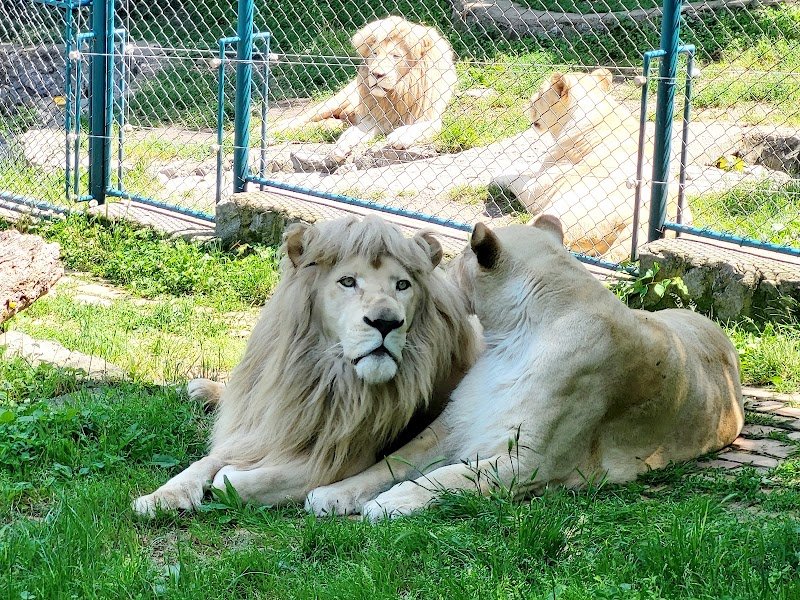
  • Unique experiences: Feeding sessions (check times at entrance), chance to see rare white lions, and encounters at the Petting Zoo.
  • Photo-worthy locations: Panoramic viewpoint near the bear enclosure, ivy-draped walls by the monkeys, and fountains shaded by giant pines.
  • Cultural or historical facts: Open since 1936, the zoo once housed a famous hippo, became a shelter during WWII, and has sculptures by Serbian artists sprinkled throughout.

Tips for your visit

Some small headaches—crowds and uneven paths in older sections—can be avoided with a bit of foresight. Early birds often find the animals most active and photography easier without midday glare. Shade keeps walks manageable, but summer days can still feel hot, while winter closes a few open-air exhibits. Light snacks bring relief between exhibits, as options inside are limited. Friendly staff and well-placed restrooms support a relaxed pace for families or seniors.

  • Best times to avoid crowds: Arrive near opening or on weekday afternoons for more space and animal activity.
  • What to bring: Water bottles, hats in summer, sturdy walking shoes, and a camera for impromptu animal poses.
  • Local etiquette: Do not tap on glass or feed animals outside designated areas; keep voices low around nervous animals and younger children.
  • Safety or comfort advice: Mind old stone paths that get slick after rain and double-check opening hours during winter months.