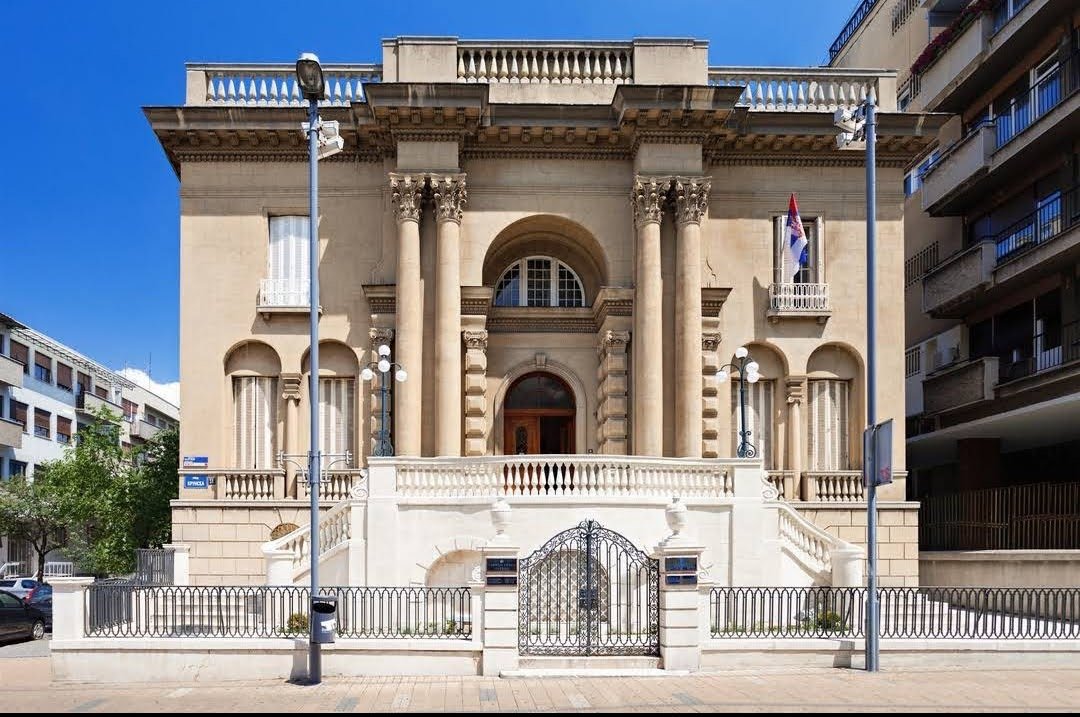
Nikola Tesla Museum

Nikola Tesla Museum

Belgrade, Serbia
i

Nikola Tesla Museum

Photo by Öner Kocataş

Tucked within the heart of Belgrade, a building with understated charm reveals the electric wonders of one of history’s great inventors. Visitors walk past wrought-iron gates and into a world charged with curiosity. At the Nikola Tesla Museum, a place where science feels approachable, minds young and old can reach out for the same sparks that fueled Tesla's imagination. Humming with stories and hands-on gadgets, this landmark makes history feel alive in unexpected ways.

Visiting Info

Currency
Entrance fee
800 RSD
Hours
Opening hours
Monday: 10:00 AM – 6:00 PM
Tuesday: 10:00 AM – 8:00 PM
Wednesday: 10:00 AM – 8:00 PM
Thursday: 10:00 AM – 8:00 PM
Friday: 10:00 AM – 8:00 PM
Saturday: 10:00 AM – 8:00 PM
Sunday: 10:00 AM – 8:00 PM

Contact Information

Location
Address
Krunska 51, Beograd 11111, Serbia

Planning your visit

A trip to the Nikola Tesla Museum fits well into almost any travel itinerary, with central city access and a compact layout. Weekdays are quieter than weekends, but the museum rarely feels overwhelming for its size. English-speaking guides help make sense of Tesla's legacy, and interactive displays bridge age or language gaps. Tickets can be bought at the door, though groups may want to book ahead. The museum’s popularity swells during school field trips and in summer, so timing matters if peace and quiet is a priority.

  • Best time to visit: Spring or autumn afternoons, Monday to Thursday, minimize both crowds and summer heat.
  • How to get there: Hop on tram lines 2, 7, or 9; buses 31 or 24 also stop nearby. The museum lies about a 20-minute walk from Republic Square.
  • Accessibility: The main exhibits sit on one floor, but a few steps remain at the entrance; staff offer portable ramps if requested. Some displays may not suit strollers or wheelchairs.
  • Average visit duration: Most visitors spend 60 to 90 minutes, with guided tours lasting about 45 minutes.

Must see stuff

Every corner of the museum tells part of the Nikola Tesla story, from his early life in the Balkans to his restless inventions in the United States. Visitors are greeted first by carefully preserved manuscripts and personal belongings—letters, passports, and even Tesla’s signature bowler hat. The heart of the museum beats in the demonstration room, where coils spark and lamps glow with invisible energy, delighting crowds during scheduled presentations. A compact library, brimming with old scientific journals, beckons the serious enthusiast. Meanwhile, the building itself whispers of 1920s Belgrade, worth admiring between exhibits.

  • Key sights: Tesla’s personal items; the urn containing his ashes; historical photographs; and the dazzling Tesla coil demonstrations.
  • Unique experiences: Participate in a live guided show, where visitors safely touch a bulb that glows in their hand—or watch blue-white arcs snap above crowded heads.
  • Photo-worthy locations: The marble foyer, the demonstration room with purple sparks, and the leafy garden outside on Kneza Miloša Street.
  • Cultural facts: The museum holds thousands of Tesla’s original documents, making it the official world archive of his work and a touchpoint for scholars as well as tourists.

Tips for your visit

Though the Nikola Tesla Museum feels welcoming for most travelers, a handful of tips help shape a smoother experience. Arriving early ensures a spot in the next guided demo, which can fill up quickly on weekends. While most information appears in both Serbian and English, some captions require a guide’s help to fully appreciate. Few benches are available, so plan for steady standing. Snapshots are welcome, but flash photography is off-limits. The gift shop surprises with clever souvenirs—think plasma balls and bilingual science books, rather than the usual snow globes.

  • Best times to avoid crowds: Mornings or late afternoons, especially midweek.
  • What to bring: A lightweight camera, water bottle, and a curiosity for hands-on learning.
  • Local etiquette: Respect quiet zones near the urn and avoid loud conversations during guided demos.
  • Safety and comfort: Mind the low lighting in some rooms and mind young children near demonstration equipment, even when supervised by staff.