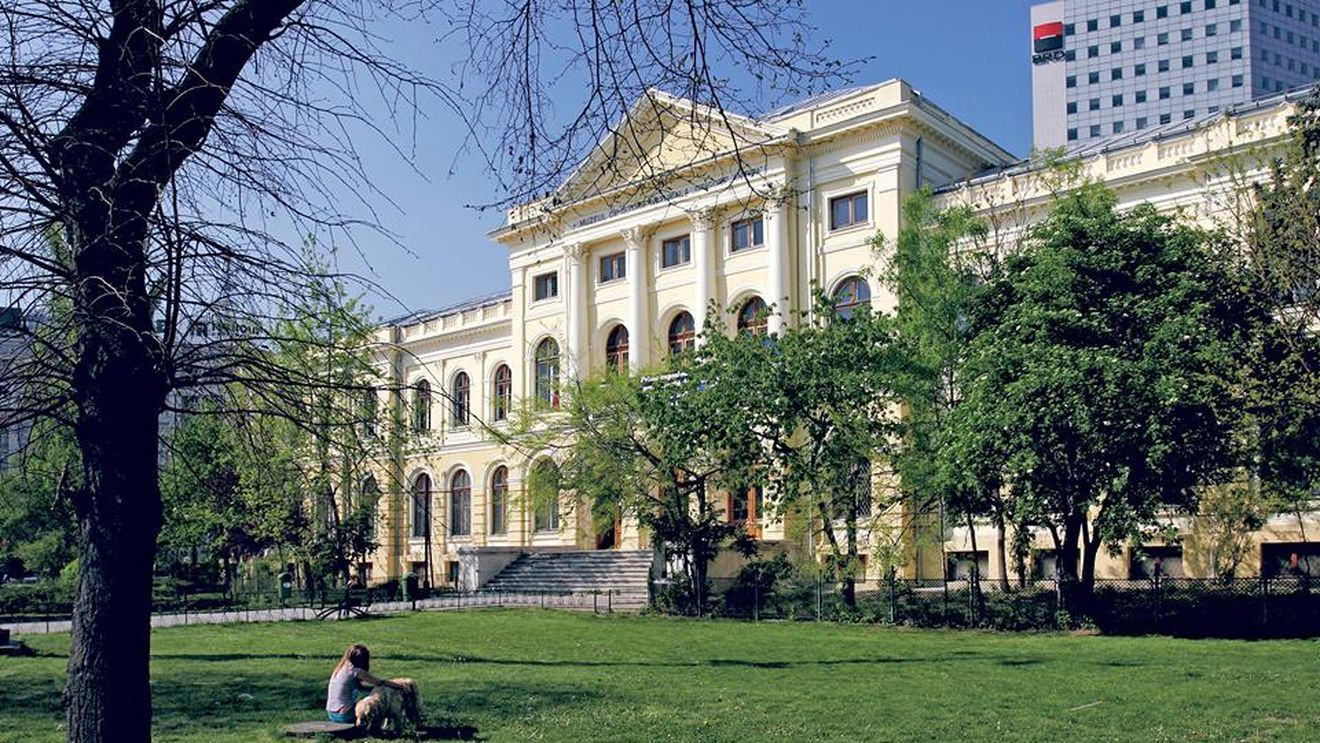
“Grigore Antipa” National Museum: Romania’s leading natural history museum.
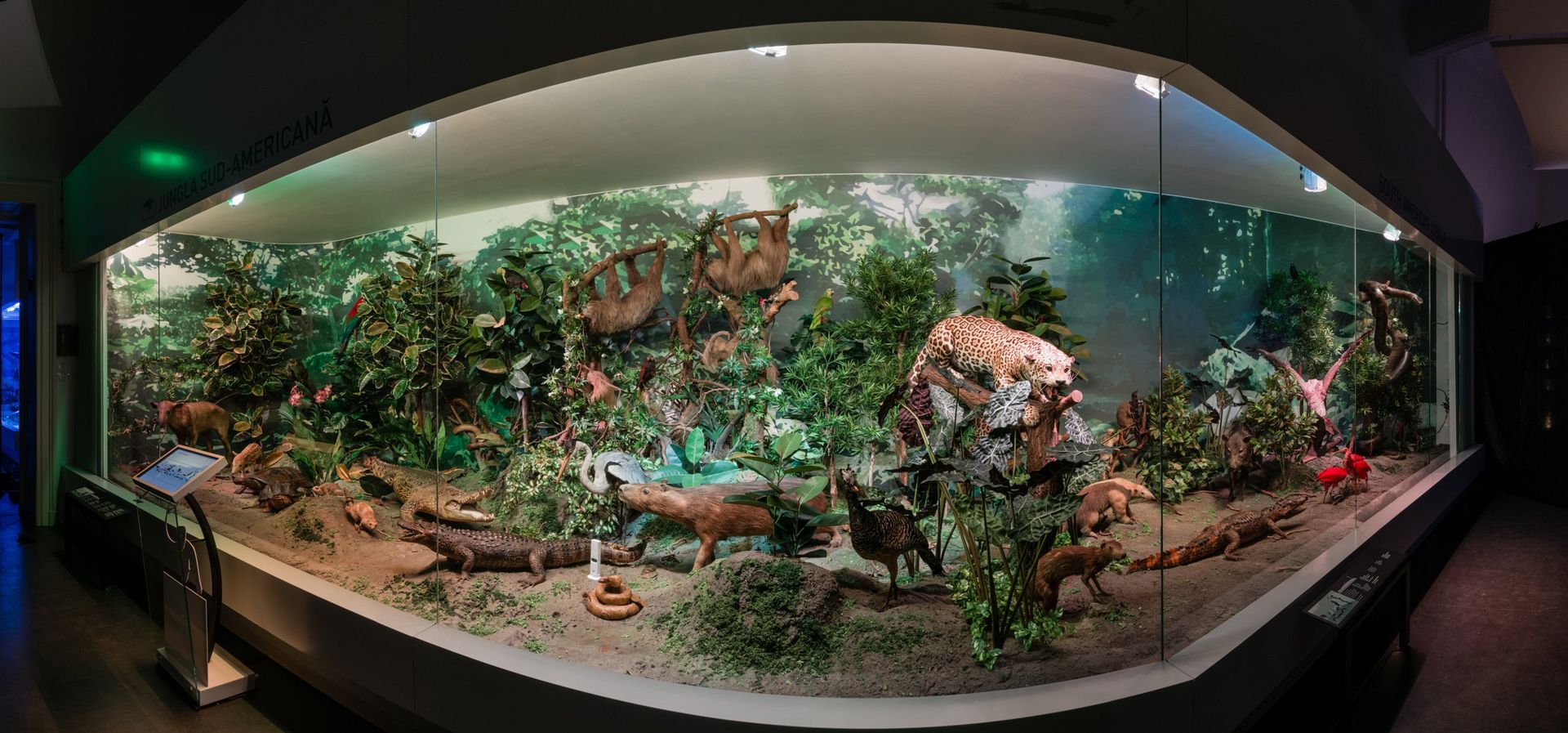
“Grigore Antipa” National Museum: extensive exhibits on biodiversity and evolution.
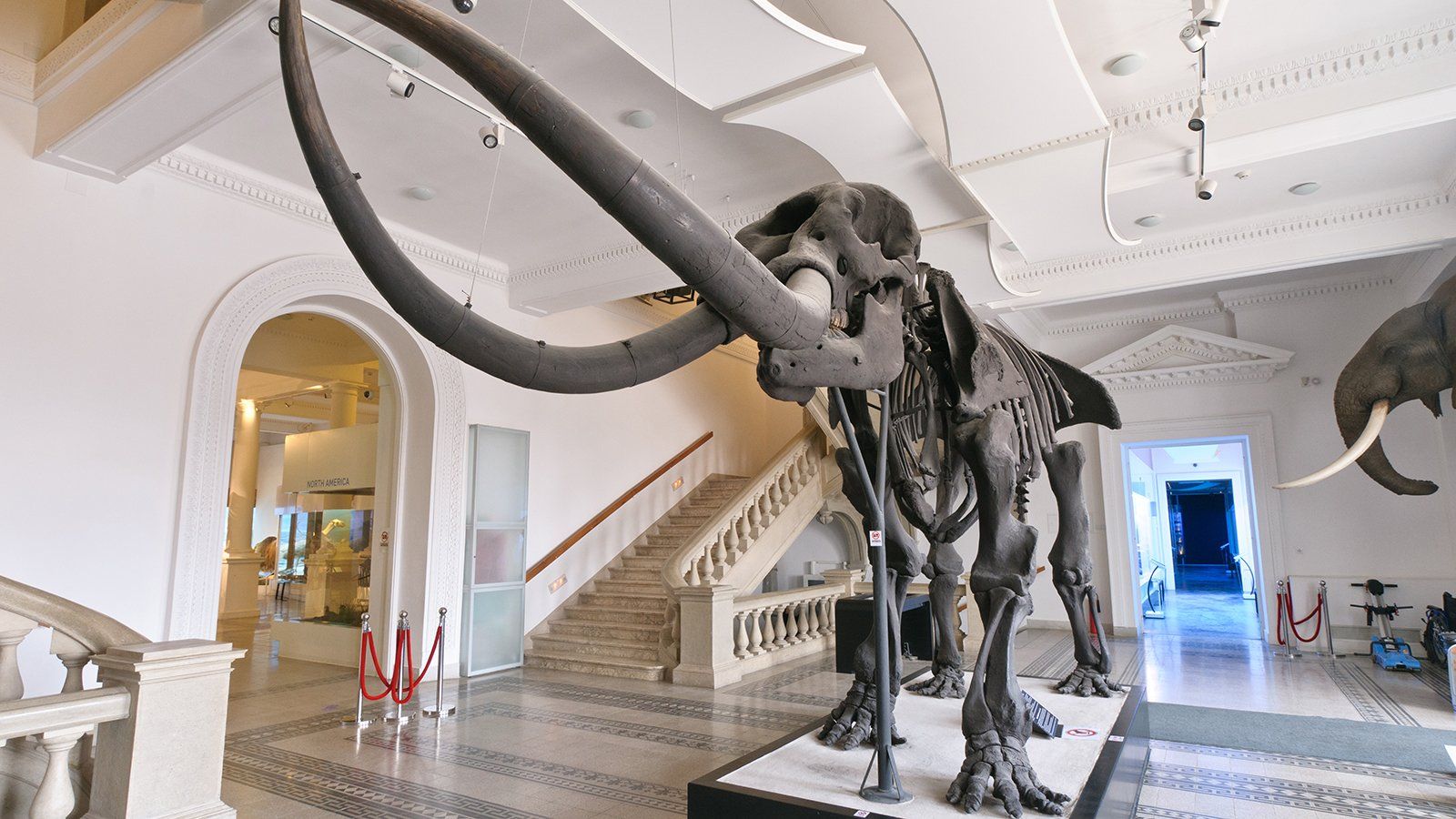
“Grigore Antipa” National Museum: interactive displays and impressive dinosaur fossils.

Grigore Antipa National Museum of Natural History

Bucharest, Romania
i

“Grigore Antipa” National Museum: Romania’s leading natural history museum.

Among Romania’s most fascinating treasures, the Grigore Antipa National Museum of Natural History draws families, science lovers, and curious minds into a world where ancient fossils, life-size animal dioramas, and dazzling minerals meet modern discovery. The museum’s blend of modern storytelling and classic scientific wonder offers a vivid journey through the past and present of our planet. A stately appearance on Șoseaua Kiseleff belies a surprisingly lively interior, where each floor offers something new to spark awe.

Visiting Info

Currency
Entrance fee
30 RON
Hours
Opening hours
Monday: Closed
Tuesday: 10:00 AM – 5:00 PM
Wednesday: 10:00 AM – 5:00 PM
Thursday: 10:00 AM – 5:00 PM
Friday: 10:00 AM – 5:00 PM
Saturday: 10:00 AM – 6:00 PM
Sunday: 10:00 AM – 6:00 PM

Contact Information

Location
Address
Şoseaua Pavel D. Kiseleff 1, 011341 București, Romania

Planning your visit

Planning a trip to the Grigore Antipa Museum is straightforward, whether arriving from across Bucharest or just around the corner. Weekdays generally feel quieter than weekends, and mornings before noon provide the calmest experience. Online tickets save some time at the entrance, especially during busy school holidays when crowds of students transform the stairways into a low hum of excitement. The museum’s location, not far from Victory Square, means most public transit lines provide quick access. Friendly staff make the experience welcoming, even for first-time visitors or those with limited mobility.

  • Best time to visit: Weekday mornings outside school holidays
  • How to get there: Metro (Piața Victoriei station), tram, bus, or a short city walk
  • Accessibility: Wheelchair accessible entry and elevators; family-friendly facilities
  • Average visit duration: Two to three hours, longer if exploring every exhibit

Must see stuff

Once inside, visitors find three main floors packed with highlights both classic and surprising. The halls of dioramas—some over a century old—immerse guests in the Romanian wilderness, the towering African savanna, and ocean depths alive with preserved sea creatures. Interactive displays invite hands-on learning, while the permanent collection of minerals and butterflies dazzles younger guests. The dinosaur gallery offers life-sized reconstructions from Romania’s deep past, and temporary exhibitions rotate in fresh topics, from meteorites to bug worlds. In quiet corners, lesser-known gems hide: a taxidermied moa bird, or a coral-encrusted shipwreck model.

  • Key sights: Gigantic mammoth skeleton, Romanian wildlife dioramas, dazzling minerals room
  • Unique experiences: Touch a real meteorite, explore interactive displays, join a guided journey through Romania’s geological past
  • Photo-worthy locations: The grand staircase with stained glass windows, under the mammoth’s bones, butterfly-filled alcoves
  • Cultural facts: Opened in 1908, the museum was among the first in Europe to use immersive dioramas—a tradition proudly continued today

Tips for your visit

A visit runs most smoothly with a bit of advance planning. Lines move quickly outside of peak weekends, yet school field trips can fill the museum in bursts. Those sensitive to noise might bring earplugs. Comfortable walking shoes are wise for three levels of exhibits, although several benches offer much-needed breaks. Surprisingly, photography is allowed without flash—perfect for capturing everything except that elusive woolly mammoth spark. The museum café, though not extensive, provides a respite, and lockers keep backpacks out of the way. Exhibits are in Romanian and English, but staff readily answer questions. One small drawback: some older dioramas show signs of age, but new multimedia displays balance this with vivid, memorable moments.

  • Best times to avoid crowds: Tuesdays or Wednesday mornings
  • What to bring: Camera, water bottle, light sweater in cool galleries
  • Local etiquette: Speak quietly in more reflective halls; food not allowed in exhibit spaces
  • Safety or comfort advice: Take advantage of lockers; check for school group schedules if strong crowds are a concern

Similar Attractions

Grigore Antipa National Museum of Natural History – Tickets, Hours & Visitor Guide