“Ion Luca Caragiale” National Theatre: premier stage for Romanian performing arts.
“Ion Luca Caragiale” National Theatre: historic venue hosting drama and cultural events.
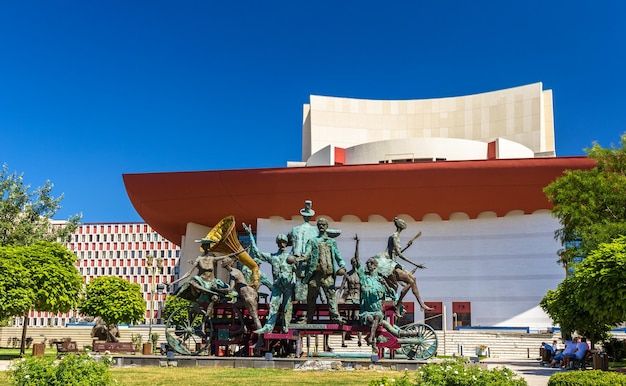
Group statue Caragialiana in front of Bucharest National Theater in Romania

"Ion Luca Caragiale" National Theatre

Bucharest, Romania
i

“Ion Luca Caragiale” National Theatre: premier stage for Romanian performing arts.

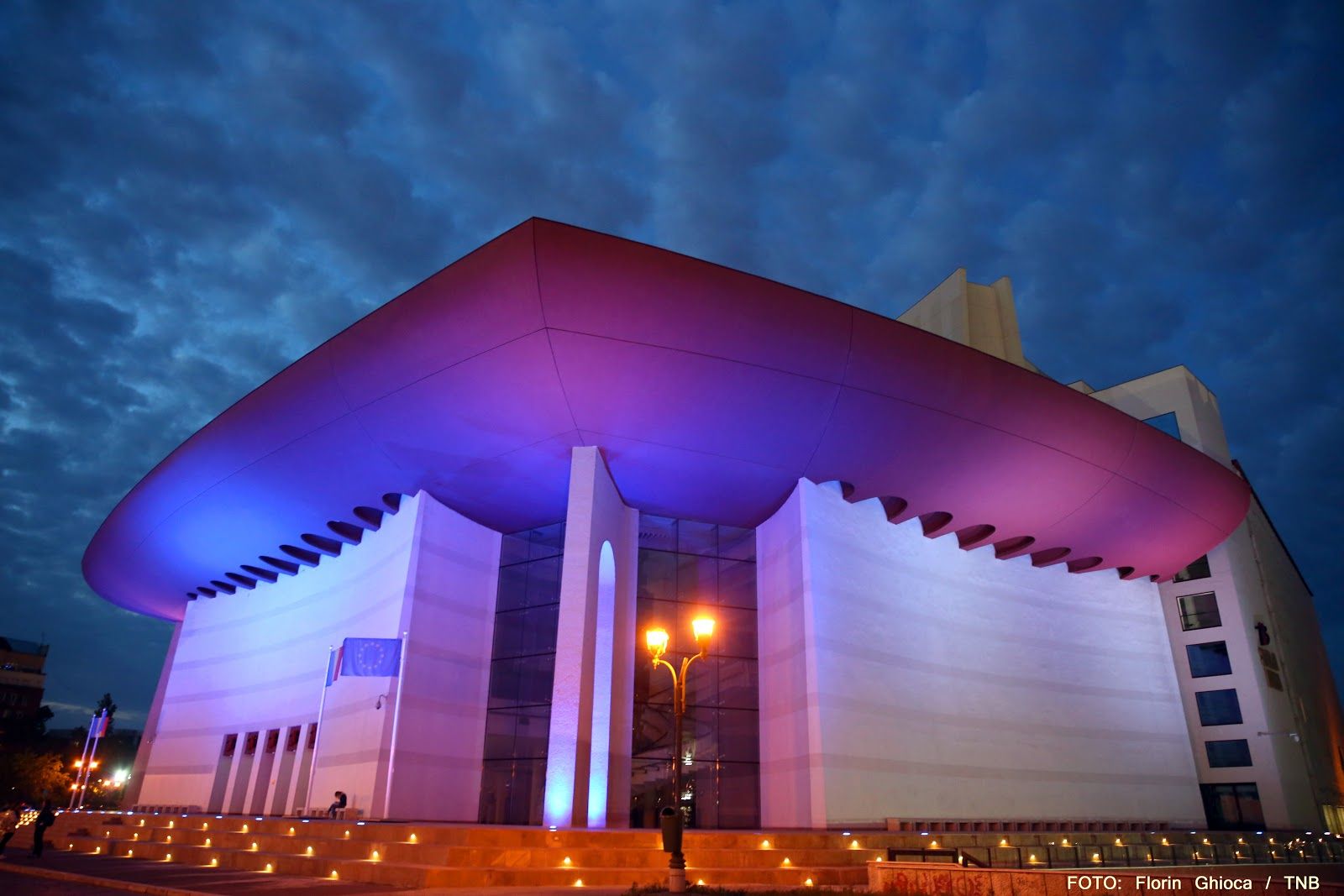
The "Ion Luca Caragiale" National Theatre stands as a spirited cornerstone of Bucharest’s cultural life. Its dramatic façade slices boldly into the cityscape, promising grand performances and subtle moments alike. Operas, groundbreaking plays, and even lively outdoor spectacles unfold within these walls. Artists, students, tourists, and pensioners share the evening’s anticipation, each seeking something different—escapism, nostalgia, or perhaps the thrill of a first curtain. More than a building, the National Theatre offers a peek into the heart of Romanian creativity, where tradition and innovation dance just a breath above the city’s busy streets.

Visiting Info

Currency
Entrance fee
70 RON

Contact Information

Location
Address
Bulevardul Nicolae Bălcescu 2, 010051 București, Romania

Planning your visit

Smart planning makes a trip to the "Ion Luca Caragiale" National Theatre both easy and rewarding. The central location, right at Piața Universității, puts it within reach for almost everyone exploring Bucharest. Performances draw big crowds, especially for beloved classics or high-profile premieres, so grabbing tickets before the day of the show is always wise. Well-organized spaces, accessible facilities, and friendly staff ensure a welcoming experience for all ages. Outside, lively terraces fill with playgoers; inside, the lobbies buzz with conversations about the evening’s performance. Comfortably sized, the theatre never feels overwhelming—expect to linger among red velvet, marble columns, or perhaps with a coffee in the stylish café.

  • Best time to visit: Evenings offer top performances; quieter weekday matinees work well for smaller groups and families.
  • How to get there: Metro (Universitate station), tram, and city bus all stop a short walk away; taxis line the plaza at showtimes.
  • Accessibility: Ramps, elevators, and reserved seating help families, seniors, and wheelchair users navigate the theatre comfortably.
  • Average visit duration: Plan 2 to 3 hours, including time for intermissions and post-show chats.

Must see stuff

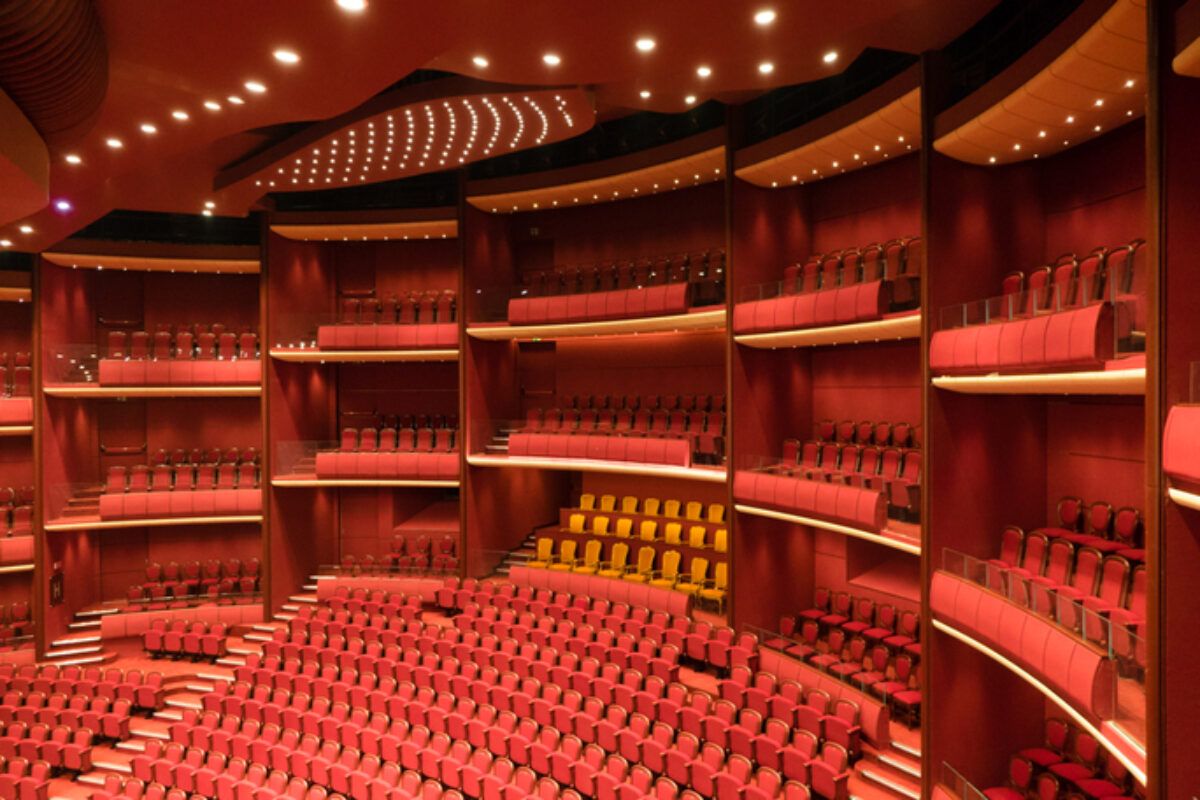
Historic charm meets modern flair within these walls. Before the lights dim, a wander through the marble-clad lobby rewards the curious eye—look up for ornate ceilings and stained-glass touches, down for polished mosaics at your feet. Tour groups sometimes circle the main stage, where set pieces tower and actors rehearse with murmured voices. Iconic productions headline in the Grand Hall, which sits more than 900 visitors beneath its sweeping balconies. Those with an eye for the unconventional may seek out the less-heralded “White Hall,” a flexible stage that hosts experimental works and indie troupes. Surprisingly, a roof terrace opens each summer—picture sunset views over central Bucharest, framed by skyline and stage lights alike. Busy, yes, but never impersonal. Stories hang in the air: old playbills, whispers of Chekhov or Caragiale, a legacy born from almost a century and a half of performance.

  • Key sights or features: Grand Hall, marble lobby, rooftop terrace, “White Hall” for avant-garde shows.
  • Unique experiences: Guided backstage tours (occasionally in English), talkbacks with actors after select performances, summer rooftop events.
  • Photo-worthy locations: Main lobby (with chandeliers), theatre façade at night, rooftop sunset panorama.
  • Cultural or historical facts: Founded in 1852, rebuilt after decades of change; home to historic premieres and legendary Romanian actors.

Tips for your visit

A little preparation goes a long way at the National Theatre. Arriving thirty minutes before curtain lifts the stress—more time for ticket collection or a moment in the stylish café. While dress codes suit both weekend best or casual jeans, locals often add a touch of flair for evening shows. English-language showings appear from time to time, but most performances keep the original Romanian; translations may not always be available, but expressive acting helps bridge any language gap. The main halls stay pleasantly cool or warm, but outdoor terraces require a light jacket in spring and autumn. Crowds gather thickly on big premiere nights—wander off-hours for less hustle. Be ready for a magical hush as the lights go down; even cellphone screens disappear from sight, a mark of local etiquette. Expect applause to last as long as the actors allow—here, every standing ovation feels earned.

  • Best times to avoid crowds: Early weekday evenings; non-premiere or matinee performances.
  • What to bring: Small bag, reusable water bottle, camera for entrance photos, semi-formal attire for evening events.
  • Local etiquette or rules: Phones off during shows, respectful quiet during performances, light applause until final curtain call.
  • Safety or comfort advice: Keep tickets handy, wear comfortable shoes for marble floors, pack a sweater in spring or fall.