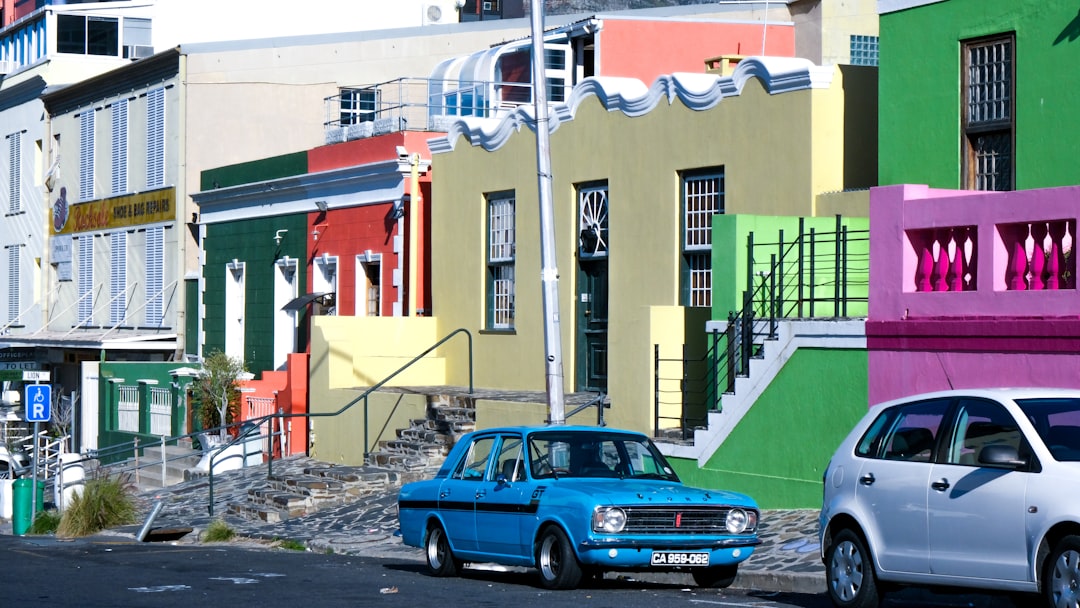
a couple of cars parked next to each other on a street

Iziko Bo-Kaap Museum

Cape Town, South Africa
i

a couple of cars parked next to each other on a street

Photo by Boitumelo

From the cobbled streets lined with colorful houses, music and the scent of spices drift toward a hidden gem where Cape Town’s past hums beneath the present. At the heart of Bo-Kaap sits the Iziko Bo-Kaap Museum, a restored 18th-century home that tells a deeper story. Here, the living history of the Cape Malay community unfolds—brushstrokes of struggle, celebration, and everyday life form a one-of-a-kind window into South Africa’s social fabric.

Visiting Info

Currency
Entrance fee
100 ZAR
Hours
Opening hours
Monday: 9:00 AM – 5:00 PM
Tuesday: 9:00 AM – 5:00 PM
Wednesday: 9:00 AM – 5:00 PM
Thursday: 9:00 AM – 5:00 PM
Friday: 9:00 AM – 5:00 PM
Saturday: 9:00 AM – 5:00 PM
Sunday: Closed

Contact Information

Location
Address
71 Wale St, Schotsche Kloof, Cape Town, 8001, South Africa

Planning your visit

The Iziko Bo-Kaap Museum nestles on Wale Street, surrounded by one of the city’s most distinct neighborhoods. The museum opens its doors nearly every day—though Mondays often stay shut, so check in advance. Arriving early in the morning lets visitors avoid heavier midday crowds and capture those pastel house photos when the light sits soft and golden. Public transport, including the MyCiTi bus, stops nearby; for those driving, keep in mind that street parking is limited.
 
Inside, historic wooden floors creak underfoot, and the thoughtful displays celebrate Cape Malay roots, but strollers and wheelchairs may find movement a little tight in some rooms. A typical visit lasts about 45 minutes, leaving plenty of time to wander the Bo-Kaap’s side streets or sample local food after.

  • Best time to visit: Weekday mornings; late afternoons also quieter
  • How to get there: MyCiTi bus (stop: Chiappini), Uber, or a short, signposted walk from the city centre
  • Accessibility: Family-friendly, but some steps and narrow passageways
  • Average visit duration: 45–60 minutes

Must see stuff

Every inch of the Iziko Bo-Kaap Museum feels steeped in character. The main home, built in the 1760s, sits arranged as it would have when the first Malay families arrived—a simple but beautiful kitchen, an eloquently set table, and walls hung with photographs of generations past. Guided tours, run by locals, blend dry wit with moving tales about forced removals, religious traditions, and wedding feasts. 

History buffs and curious kids alike linger beside glass cabinets filled with delicate cooking utensils, hand-embroidered textiles, and Qur’an manuscripts. Just outside, the museum’s stoep offers a perfect spot to soak in Wale Street’s famous facades—and an even better place to snap photos as old minarets rise behind new houses. Step next door for an authentic snack at a corner café, where samosas and koesisters sell by the handful, or catch the weekly storytelling sessions advertised by the entrance.

  • Main Exhibit Rooms: Restored interiors showing family life from the late 1800s
  • Special Collections: Cape Malay textiles, old Qur’ans, musical instruments, and kitchen tools
  • Guided Walks: Neighborhood tours exploring the local mosques and spice shops
  • Photo Spots: Front stoep view over the rainbow-colored rowhouses
  • Lesser-known gems: Rotating oral history exhibits and pop-up cooking demonstrations

Tips for your visit

While the museum rarely gets truly packed, arriving early avoids school groups and allows more space to linger. The Bo-Kaap Road climbs steeply in places, so walking shoes make sense—especially if exploring nearby. On hot afternoons, the interiors may feel stuffy, but windowpanes let in occasional breezes. Entry fees remain modest, but only cash or cards work at the desk—no e-wallets here yet. Locals appreciate respect (ask before photographing neighborhood residents), and quieter voices go a long way inside the tiny display rooms.

After touring, follow the aroma of cinnamon and cardamom to one of the local eateries, where warm hospitality works as a perfect ending. But mind the cobbles after rain—slick surfaces can surprise even sure-footed guests.

  • Best times to avoid crowds: Arrive by 10am or after 3pm
  • What to bring: Reusable water bottle, camera, cash for entry and snacks, good walking shoes
  • Local etiquette: Dress modestly, ask permission for photos of residents, greet with a smile
  • Safety and comfort: Keep personal belongings secure, mind steps and uneven pavements outside