Google Places photo

Alexander Pushkin House-Museum

Chișinău, Moldova
i

Google Places photo

Photo by Plif

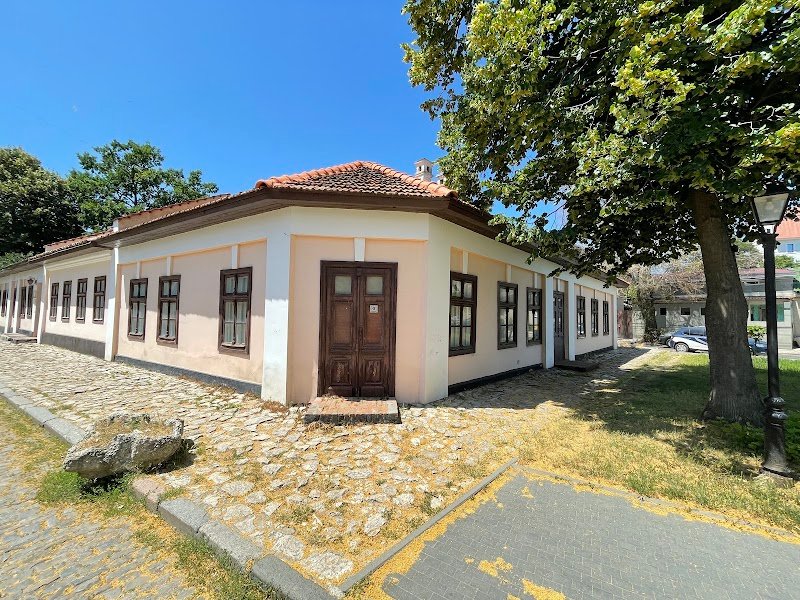
Often overlooked, the Alexander Pushkin House-Museum opens a gentle doorway into the life of Russia’s great poet. Housed in a preserved early nineteenth-century cottage on a quiet side street, this tiny museum captures a transformative period in Pushkin’s life. For anyone curious about literary history or simply eager to step inside the mood of another century, this simple home holds a wealth of stories and atmosphere. Faded portraits, drafts in Pushkin's handwriting, and modest furnishings combine to create a living sense of both hardship and genius, all tucked behind a low wooden fence shaded by old chestnut trees.

Visiting Info

Currency
Entrance fee
10 MDL
Hours
Opening hours
Monday: Closed
Tuesday: 10:00 AM – 4:00 PM
Wednesday: 10:00 AM – 4:00 PM
Thursday: 10:00 AM – 4:00 PM
Friday: 10:00 AM – 4:00 PM
Saturday: 10:00 AM – 4:00 PM
Sunday: 10:00 AM – 4:00 PM

Contact Information

Location
Address
Strada Anton Pann 19, Chișinău, Moldova

Planning your visit

Alexander Pushkin House-Museum welcomes both casual visitors and dedicated literary travelers year-round, but timing makes all the difference. Spring and early fall see flowering gardens and gentle weather. Weekday mornings offer the calmest pace, allowing every room and relic a moment to shine in relative quiet. The cottage is located near the center of Chișinău, which makes access simple by foot, public transport, or taxi. Ticketing is handled at the small gatehouse, typically without a wait, though larger tour groups sometimes crowd pathways during high tourist season or on weekends. Most travelers find an hour enough for a relaxed visit, though fans of Pushkin’s work sometimes linger among the manuscripts and photos.

  • Best time to visit: Late April through early October, weekday mornings for fewer visitors
  • How to get there: Bus lines 3, 10, and 17 stop nearby; taxis from the city center take 5-10 minutes; on foot, expect a pleasant 20-minute stroll from the main boulevard
  • Accessibility: The site features uneven walkways and two small steps; strollers or wheelchairs need some assistance; children tend to enjoy the garden and open porch
  • Average visit duration: Plan for 45-75 minutes, plus extra time for the garden in nice weather
Must see stuff

Stepping over the threshold, visitors meet the tangible atmosphere of Pushkin’s six months of exile. The front parlor, filled with period furniture and scattered with facsimile documents, forms the heart of the museum. In the small study, handwritten poems and a quill pen invite images of the poet at work, while portraits of local hosts tell quieter, Moldovan stories that shaped his verses. Out back, a walled garden offers peace and the chance to imagine Pushkin’s long, thoughtful walks. Several less-known objects—like Pushkin’s pipe and a creased map of the surrounding region—reveal unexpected corners of daily life. For those who appreciate quiet detail, late afternoon sunlight through lace curtains offers a living glimpse of the early 1800s.

  • Key sights or features: Pushkin’s original writing desk, 19th-century furnishings, exhibition of manuscript pages, portraits of Pushkin’s Moldovan acquaintances
  • Unique experiences: Self-guided tour with museum leaflets (offered in English, Russian, Romanian), free-standing mirrors for period dress-up photos, local guestbooks with messages from past visitors
  • Photo-worthy locations: The iconic blue house with picket fence, sunlit window alcove in the study, blooming garden during summer months
  • Cultural or historical facts: Pushkin lived here from September 1820 to June 1823, producing several poems inspired by Moldova’s language, landscape, and people; the site is the oldest memorial museum in Chișinău

Tips for your visit

A little advance planning pays off, especially in warmer months. Early birds or late afternoon visitors often enjoy the museum almost privately. Comfortable shoes help, since the garden’s flagstones can be uneven and the cottage floors worn by decades of footsteps. Those who appreciate museum etiquette will find this a quiet space, best enjoyed in low voices with ample time to linger by favorite exhibits. While English signage is present, a simple Romanian or Russian greeting at the entrance always earns a smile. For families, small children tend to enjoy the garden paths best, but hands-off rules apply indoors. Water bottles are welcome in the outdoor spaces but should be stowed before stepping inside.

  • Best times to avoid crowds: Arrive during opening hour or after 4 p.m.
  • What to bring: Comfortable (and quiet) shoes, a camera or phone for photos, a phrasebook for extra engagement with staff
  • Local etiquette or rules: Photography is encouraged in the garden, limited in indoor rooms; touching displays is not allowed; keep voices low in the museum’s main rooms
  • Safety or comfort advice: Watch for low doorframes and slightly uneven steps; closed-toe shoes are best

Similar Attractions