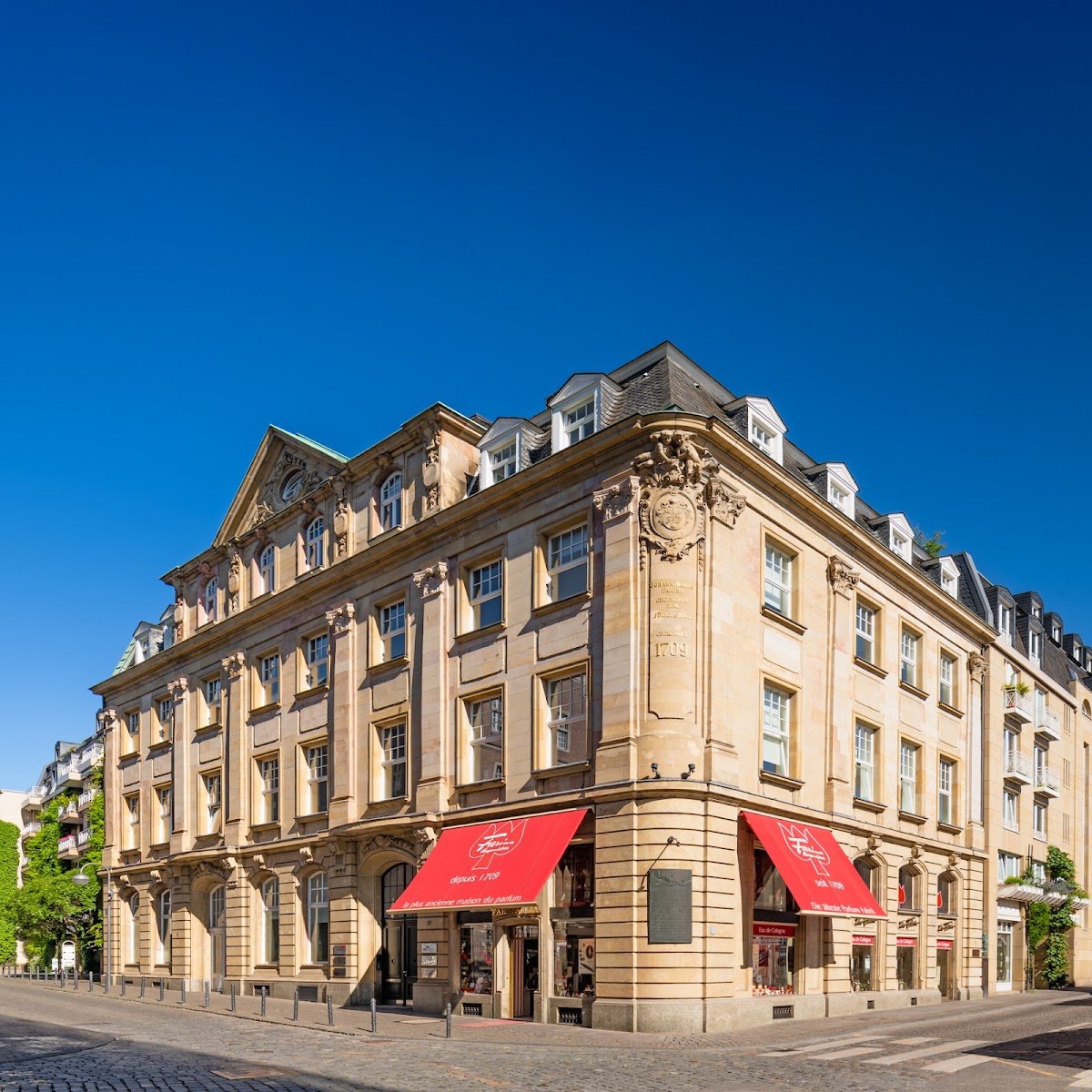
Duftmuseum im Farina Haus

Duftmuseum im Farina Haus

Cologne, Germany
i

Duftmuseum im Farina Haus

Photo by Farina Duftmuseum

The Duftmuseum im Farina Haus offers an unexpected journey into the senses, inviting newcomers and history lovers alike to step through the scented origins of modern perfumery. Located in a beautiful stone building filled with secrets, this working museum reveals how a single product changed the world’s approach to fragrance, fashion, and personal style. Through glass cabinets and cool cellars, guests discover the birthplace of Eau de Cologne—one of the most famous scents on earth. The experience stays with visitors long after they step outside, a subtle fragrance lingering in memory.

Visiting Info

Currency
Entrance fee
8 EUR
Hours
Opening hours
Monday: 10:00 AM – 7:00 PM
Tuesday: 10:00 AM – 7:00 PM
Wednesday: 10:00 AM – 7:00 PM
Thursday: 10:00 AM – 7:00 PM
Friday: 10:00 AM – 7:00 PM
Saturday: 10:00 AM – 7:00 PM
Sunday: 11:00 AM – 5:00 PM

Contact Information

Location
Address
Obenmarspforten 21, 50667 Köln, Germany

Planning your visit

Advance planning is the key to enjoying time at Duftmuseum im Farina Haus. The museum sits in the heart of Cologne’s lively city center, within easy reach for both locals and travelers. The best visits happen during quieter periods, allowing visitors to view rare artifacts and savor fragrances without rush. Some days draw larger school groups, making weekday mornings most peaceful. Expect ticketed entry, with guided tours available in several languages, though group sizes stay small. The building itself is centuries old, so some mobility may be required, but the inviting staff aim to help everyone enjoy the story behind the scent.

  • Best time to visit: Weekday mornings or late afternoons, especially in spring or fall for fewer crowds
  • How to get there: Easy walk from Cologne Cathedral; also accessible via city tram (Heumarkt stop) and several bus lines
  • Accessibility: Main areas accessible; some stairs to cellars and upper displays may be a challenge for guests using wheelchairs or strollers
  • Average visit duration: 60 to 90 minutes

Must see stuff

Visitors feel the deep, storied atmosphere of Duftmuseum im Farina Haus the moment they cross the threshold. The air itself seems different—cool, yet laced with citrus and herbs. The house, built in the 18th century, has ceilings lined with wooden beams and rooms once used by Giovanni Maria Farina, creator of the legendary Eau de Cologne. The mix of original artifacts, glass perfume bottles, handwritten recipes, and centuries-old tools bring the past to life. Some experiences are interactive, with staff offering small scent tests or hands-on demonstrations during guided tours. Photographers will find moody corners, sparkling glass displays, and charming street views outside worthy of any travel journal. Few places tell Cologne’s international story so personally or so richly.

  • Historic cellars: Original storage areas where precious ingredients waited, now used for atmospheric tours
  • Original equipment: 18th and 19th-century distillation tools, each piece explained with clear stories
  • Signature fragrance testing: Sample Eau de Cologne made with the original Farina formula
  • Photo spot: Elegant facade with red geraniums in the window boxes; inside, the golden light on display cases
  • Cultural fact: Farina’s invention shaped Parisian trends and royal courts across Europe, showing that scent trends often began in unexpected places

Tips for your visit

Keeping a few practical tips in mind makes the Duftmuseum visit even more pleasant. Small groups enhance the experience, especially when the staff invite guests to join in the scent-testing tradition. Guided tours sell out fast during weekends or school holidays, so booking ahead is smart. Only a very small gift shop sits on site, so travelers wanting official Farina fragrances should browse before leaving. While most of the museum stays cool and comfortable, the old stone floors can feel cold or uneven, making sturdy shoes a wise choice. Pictures are usually allowed, but always check before photographing staff or other guests.

  • Best times to avoid crowds: Arrive at opening or close to twilight when fewer tours run
  • What to bring: Camera, water bottle, good walking shoes, curiosity for sensory surprises
  • Local etiquette: Listen closely to guides; respect roped-off displays and delicate artifacts
  • Safety or comfort advice: Some narrow staircases; ask for help if needed and take your time on the older steps