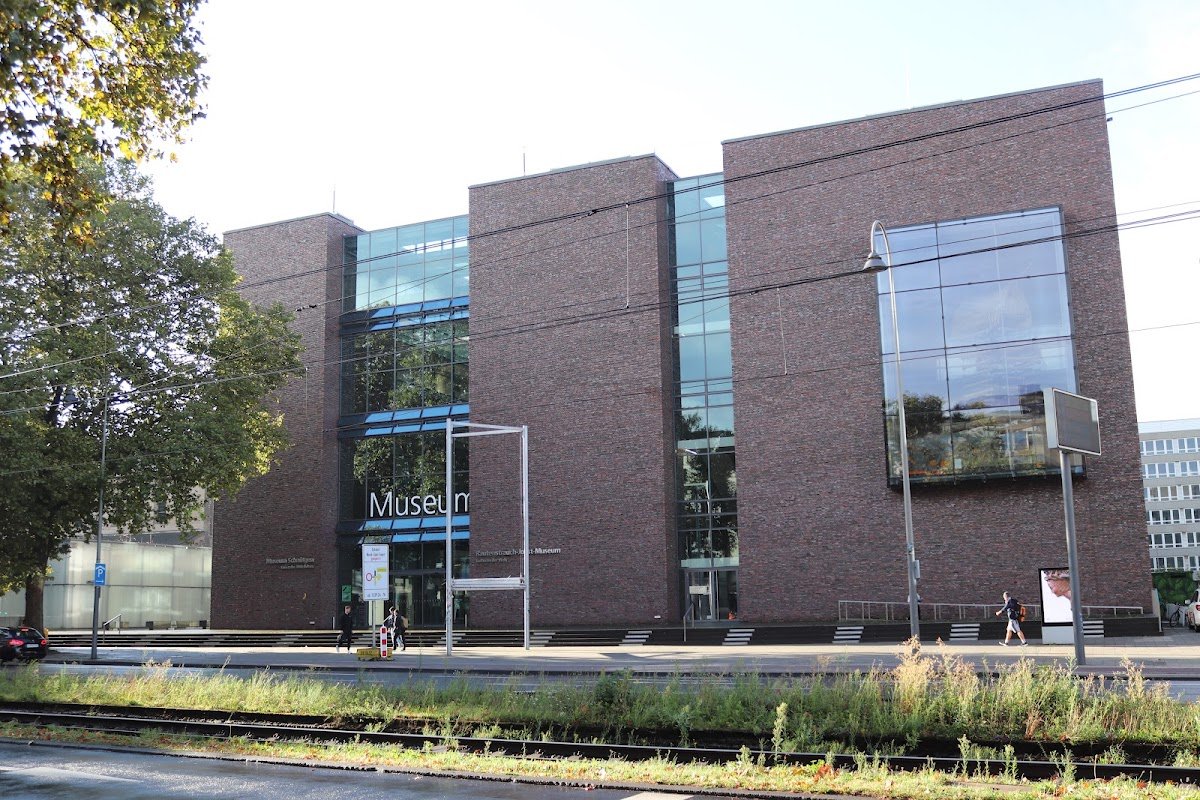
Rautenstrauch-Joest-Museum

Rautenstrauch-Joest-Museum

Cologne, Germany
i

Rautenstrauch-Joest-Museum

Photo by Kar Se

The Rautenstrauch-Joest-Museum stands as a place to discover ways people around the world live, dream, and make meaning from their surroundings. The museum brings treasures and stories from Africa, Asia, the Americas, and Oceania together under one modern roof. While the building itself feels bright and open, the exhibits carry layers of history and emotion. Walking here feels less like passing through a gallery and more like wandering through living neighborhoods built by distant hands. Every visit uncovers new connections between cultures and reveals what makes them different, and surprisingly, what makes them the same.

Visiting Info

Currency
Entrance fee
9 EUR
Hours
Opening hours
Monday: Closed
Tuesday: 10:00 AM – 6:00 PM
Wednesday: 10:00 AM – 6:00 PM
Thursday: 10:00 AM – 8:00 PM
Friday: 10:00 AM – 6:00 PM
Saturday: 10:00 AM – 6:00 PM
Sunday: 10:00 AM – 6:00 PM

Contact Information

Location
Address
Cäcilienstraße 29-33, 50676 Köln, Germany

Planning your visit

To get the most from a day at the Rautenstrauch-Joest-Museum, check details before setting out. Located in bustling central Cologne, the museum sits close to Neumarkt and several tram lines. While weekends see bigger crowds, quieter weekday mornings allow for longer looks at the exhibits. The museum welcomes all ages and abilities, though a bit of advance planning helps families or less-mobile visitors enjoy the space comfortably. Tickets can get busy during school holidays or special events, but online booking saves time. Expect a rich sensory experience and plenty of walking.

  • Best time to visit: Late mornings or early afternoons on weekdays, especially outside school vacations.
  • How to get there: Take the Cologne city tram (lines 1, 7, 9, 16, 18) to Neumarkt. From there, it is a short walk. Parking garages stand nearby for those arriving by car.
  • Accessibility: Ramps, elevators, and wide paths make the building accessible for strollers and wheelchairs. Family-friendly restrooms and lockers are available.
  • Average visit duration: Two to three hours; more for those who want to read details or join a guided tour.

Must see stuff

The museum’s permanent discovery route winds through continents and across centuries. Builders crafted displays not by country, but by theme—rituals, living spaces, migration, and identity. Standouts include life-sized dwellings to walk through and breathtaking ceremonial masks. Each area delivers hands-on exhibits and interactive elements, perfect for kids or the curious. Friendly staff answer questions about lesser-known objects from ancient trade or indigenous customs. Some corners hide digital screens that reveal oral histories or the stories behind everyday items. The museum’s blend of old and new invites deep thinking about each piece and its place in the world.

  • Key sights or features: Replica Mongolian yurt, reconstructed traditional houses from Oceania and Indonesia, unique ritual costumes, and haunting African ancestor figures.
  • Unique experiences: Touch station for rare materials, guided tours focusing on “taboo” cultural topics, and kids’ workshops in a creative studio.
  • Photo-worthy locations: The main hall’s glowing wooden lattice ceiling, the inner courtyard garden, and the vibrant mask wall.
  • Cultural or historical facts: Over 65,000 artifacts make up the collection, many gathered by explorer Wilhelm Joest in the late 19th century; regular special exhibitions showcase new voices and perspectives from source communities.

Tips for your visit

Some parts of the museum get noisier, particularly near popular family exhibits, and seating sometimes feels scarce on busy days. If possible, arrive early and start with quieter upper floors before circling back downstairs. Fans of deep reading should bring glasses for small item labels. Those with kids will appreciate the small play area, perfect as a break spot. Before snapping photos, look for posted symbols since some artifacts require privacy out of respect. The museum shop carries unique fair-trade crafts and guides, but prices sit a little higher than downtown souvenir stands.

  • Best times to avoid crowds: Early in the weekday morning or just before closing time.
  • What to bring: Refillable water bottle, comfortable walking shoes, camera (with strap), and reading glasses if needed.
  • Local etiquette or rules: Speak quietly in display rooms, follow photo restrictions, and let guided tours pass in narrow corridors.
  • Safety or comfort advice: Watch for low lighting in some themed spaces, and rest at benches scattered along routes; staff can provide assistance if needed.