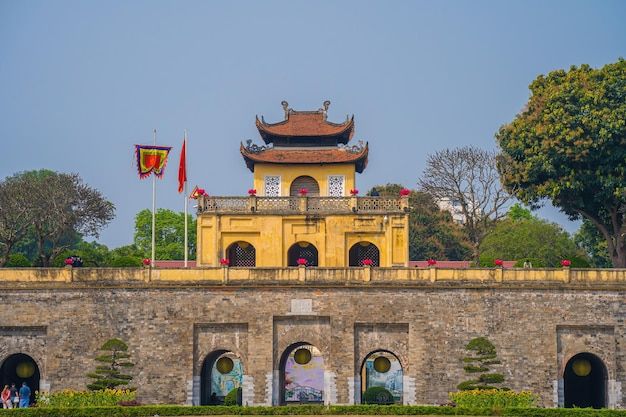
Panorama Central sector of Imperial Citadel of Thang Longthe cultural complex comprising the royal enclosure first built during the Ly Dynasty An UNESCO World Heritage Site in Hanoi Doan Mon gate

Imperial Citadel of Thang Long

Hanoi, Vietnam
i

Panorama Central sector of Imperial Citadel of Thang Longthe cultural complex comprising the royal enclosure first built during the Ly Dynasty An UNESCO World Heritage Site in Hanoi Doan Mon gate

Photo by huyvinhnhon

The ancient Imperial Citadel of Thang Long stands at the heart of centuries of Vietnamese history. Once the headquarters of dynasties, colonial powers, and revolutionaries, these sprawling walls and courtyards let visitors walk through layers of the nation’s past. Each moss-covered stone and weathered gateway tells a story—not only of emperors and armies but also of daily life and resilience in the face of change. Reminders of faded splendor meet the living pulse of Hanoi, providing a unique look at Vietnam’s heritage, shaped by war, politics, and people’s dreams for peace.

Visiting Info

Currency
Entrance fee
30000 VND
Hours
Opening hours
Monday: 8:00 AM – 5:00 PM
Tuesday: 8:00 AM – 5:00 PM
Wednesday: 8:00 PM – 12:00 AM
Thursday: 12:00 AM – 5:00 PM
Friday: 8:00 AM – 5:00 PM
Saturday: 8:00 AM – 5:00 PM
Sunday: 8:00 AM – 5:00 PM

Contact Information

Location
Address
19c Hoàng Diệu, Điện Biên, Ba Đình, Hà Nội 100000, Vietnam

Planning your visit

A trip to the Imperial Citadel of Thang Long rewards both casual visitors and history buffs. The site sits in central Hanoi and is easy to reach by public or private transport. Tickets are sold at two main gates, and while lines can be long on weekends or holidays, most days have a relaxed flow. Mornings bring cool, gentle light, ideal for wandering the stone paths or snapping photos before crowds grow. Late afternoon casts dramatic shadows, giving the yellow-walled towers a golden glow but sometimes brings heat or an afternoon shower. Families with kids or older relatives find most areas accessible, though some ancient staircases and grassy areas can be uneven. Summer can be muggy and busy, while fall and spring remain pleasant and less congested.

  • Best time to visit: Early mornings or late afternoons in spring (March–April) or autumn (October–November) for comfortable weather and smaller crowds.
  • How to get there: Taxi, ride-hailing apps, or local bus to Hoang Dieu Street; city bikes can park just outside the gates.
  • Accessibility: Most courtyards and exhibition halls are accessible for wheelchairs and strollers, but some upper floors and ancient structures are tricky for those with mobility needs.
  • Average visit duration: 1.5 to 3 hours, longer if joining guided tours or attending cultural events.

Must see stuff

Thang Long’s citadel weaves together dazzling ancient towers, tree-filled courtyards, and serene archaeological ruins. The tranquil spaces encourage slow exploration, while museums and galleries give deeper context about the dynasties who called this their power center. Overlooked corners hide secret bunkers and lotus gardens. For photo-lovers and culture-curious adventurers, the Citadel offers layers of discovery, each revealing a new angle on Vietnam’s story.

  • Flag Tower of Hanoi: The towering 19th-century symbol of resilience, with spiral stairs to a panoramic city view—especially striking at sunset.
  • Doan Mon Gate: The immense stone gate leading into the main compound, flanked by relics of dragons, lotus tiles, and war memorials.
  • Archaeological Site 18 Hoang Dieu: Excavations showing ancient wells, foundations, and treasures from dynasties stretching back a thousand years. Guided tours available for a richer experience.
  • Exhibition Halls: Air-conditioned spaces displaying ceramics, royal documents, military uniforms, and oddities like a Soviet-era radio bunker hidden below the historic ground.
  • Thien Hau Palace Ruins: Quiet backyard spot with hidden stonework, ideal for contemplative moments or a picnic in view of centuries-old guardians.
  • Photo Opportunities: Golden walls, giant banyan trees, ancient gates, and the long corridor of royal stones—unique backdrops at any hour.
  • Historical highlights: Citadel served as dynastic capital from the 11th century through French, Japanese, and revolutionary periods, showing a unique mix of Vietnamese and colonial architecture.

Tips for your visit

With a little preparation, a day at Thang Long’s Imperial Citadel runs smooth and comfortable. Light walking shoes are essential, as gravel and stone paths wind through grassy lawns and shaded alleys. Bring water, especially in summer—it gets hot under the open sun. Some galleries are air-conditioned, but much of the site is open-air. While locals tend to avoid midday heat, foreign visitors sometimes miss hidden shaded areas, so look out for quiet garden nooks or shaded benches. Photographers should plan for early or late light but keep in mind occasional closures for preservation or ceremonies. Most staff speak some English and deeply appreciate polite conversation—try basic Vietnamese greetings for a warmer reception.

  • Best times to avoid crowds: Arrive at opening (8 am), or after 3 pm when tour groups thin out.
  • What to bring: Bottled water, sun hat, camera, comfortable walking shoes, light rain jacket (spring/fall).
  • Local etiquette: Respect signs and roped-off areas, especially near altars or historic stones; loud voices or rough play are discouraged.
  • Safety and comfort: Watch for uneven stones, especially after rains; keep valuables secure, though the site is generally safe and well-staffed.

Similar Attractions