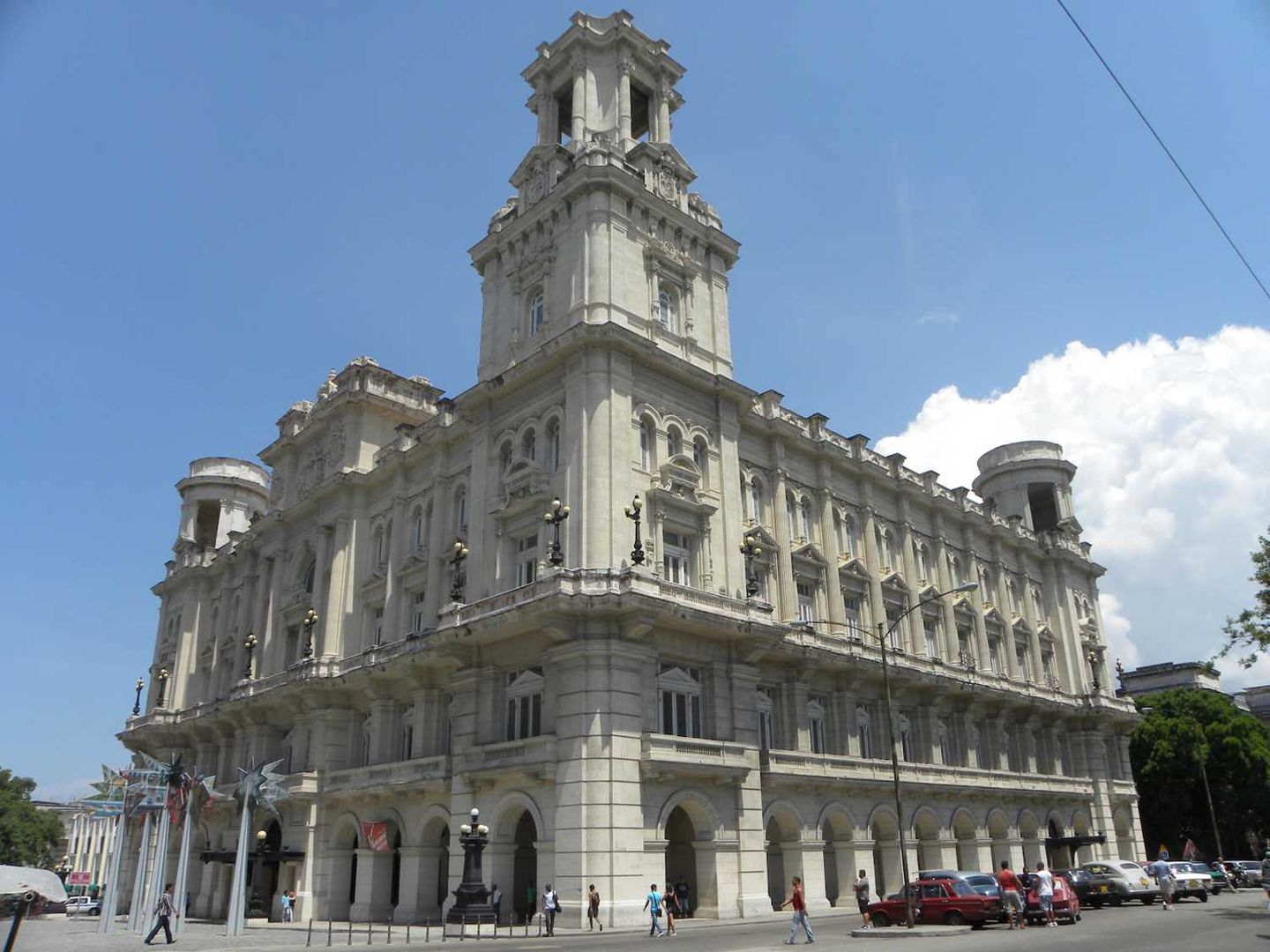
Beautiful view of Museo Nacional de Bellas Artes

Museo Nacional de Bellas Artes

Havana, Cuba
i

Beautiful view of Museo Nacional de Bellas Artes

In the heart of Havana’s energetic streets, Museo Nacional de Bellas Artes rises as a beacon for art lovers and curious travelers alike. Brimming with centuries of creativity, the museum captures Cuba’s complex past, vibrant present, and hopes for the future. This is not just a building filled with paintings; it is an ever-changing gallery of ideas, brushstrokes, and stories that shape both local identity and global perspective.

Visiting Info

Currency
Entrance fee
120 CUP
Hours
Opening hours
Monday: Closed
Tuesday: Closed
Wednesday: 9:00 AM – 5:00 PM
Thursday: 9:00 AM – 5:00 PM
Friday: 9:00 AM – 5:00 PM
Saturday: 9:00 AM – 5:00 PM
Sunday: 10:00 AM – 2:00 PM

Contact Information

Location
Address
4JRV+33X, Trocadero, La Habana, Cuba

Planning your visit

Planning a visit to Museo Nacional de Bellas Artes does not require perfection, just simple awareness. The museum sits near Central Park, easy to find for most visitors wandering Old Havana’s main avenues. Choosing the right time can transform the experience, as lines ebb and flow and natural light affects the mood inside the galleries. Weekends and midday hours bring crowds, while mornings catch the museum at its quietest. Buying a ticket at the entrance is straightforward, but a few pesos in local currency will help since credit card machines may run slow or out of order. For families or seniors, wide ramps and elevators improve accessibility, making each level open to all.

  • Best time to visit: Early morning on weekdays, especially during Havana’s dry season (November to April).
  • How to get there: By taxi, bicycle, or a short walk from Parque Central or El Capitolio in Old Havana.
  • Accessibility: Wheelchair ramps, elevators, and helpful staff make navigation possible for families, seniors, and travelers with limited mobility.
  • Average visit duration: About 2-3 hours for a relaxed tour, longer for art enthusiasts or guided visits.

Must see stuff

Museo Nacional de Bellas Artes stretches over two main buildings: the Palacio de Bellas Artes, housing Cuban art from colonial times to the present, and the Palacio del Centro Asturiano, which showcases international collections. Moving between these spaces offers a journey through not only time but different worlds of technique and inspiration. Every visit promises moments of awe, whether in front of bold revolutionary murals or while tracing the subtle pencil lines of 19th-century sketches. Some halls echo with the spirit of Cuban masters, while hidden courtyards provide cool, restful places to gather thoughts. Cameras click most around the galleries’ bright central atriums and the rooftop terrace, where Old Havana’s skyline steals the show. Knowledgeable guides, often art students, lead memorable tours that unlock stories behind seemingly silent canvases.

  • Key sights: Wifredo Lam’s surrealist paintings, monumental sculptures by Rita Longa, and the stained-glass dome above the grand staircase.
  • Unique experiences: Joining a themed walk with a local curator, discovering quiet corners dotted with contemporary Cuban installations, or attending a temporary exhibition of Latin American art.
  • Photo-worthy locations: The mosaic lobby of Palacio de Bellas Artes, sun-drenched courtyards, and the terrace overlooking bustling Calle San Rafael.
  • Cultural facts: The museum’s Cuban collection is among Latin America’s most extensive, tracing the nation’s artistic journey from colonial portraits to modern conceptual art.

Tips for your visit

A trip to Museo Nacional de Bellas Artes becomes easier with a few insider tricks. Stepping in early means quieter halls and less wait at the ticket desk. Tickets for the Cuban and international collections are sold separately; those curious about both collections should budget time (and some extra pesos). In the summer, bring an extra bottle of water—air conditioning is not always strong, especially in older parts of the building. Photography is allowed but flashes and tripods are not, so pack light and snap with sensitivity. Although café options at the museum are limited, nearby streets offer coffee, fresh fruit juice, and excellent people-watching when a break is needed. Security is attentive but friendly; bags may be searched, and large items stored in lockers. A smile and simple Spanish greetings (“buenos días”) always win good will with both staff and local visitors.

  • Best times to avoid crowds: Early morning or late afternoon, especially midweek.
  • What to bring: Lightweight bag, camera, water bottle, comfortable walking shoes.
  • Local etiquette: Speak quietly in galleries, do not touch the artwork, ask permission before taking portraits of staff or visitors.
  • Safety and comfort: Use lockers for larger bags; keep valuables within sight. Expect limited air conditioning—dress for warm weather.