Google Places photo

Independence Palace

i

Google Places photo

Photo by Kim Khôi Trần

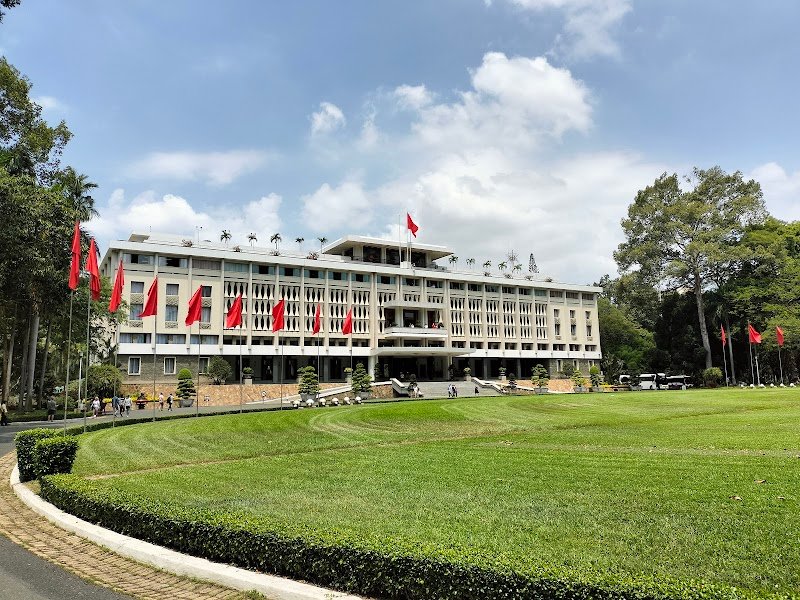
With elegant lines, lush lawns, and decades of history built into every corridor, Independence Palace pulls travelers into the heart of Vietnam’s complicated past. Today, both curious visitors and history buffs flock here, eager to walk through a landmark that played a starring role during key moments in Vietnam’s story. The palace stands not just as a symbol of power, but as a time capsule of a nation’s resilience and changing fortunes.

Visiting Info

Currency
Entrance fee
40000 VND
Hours
Opening hours
Monday: 7:00 AM – 6:00 PM
Tuesday: 7:00 AM – 6:00 PM
Wednesday: 7:00 AM – 6:00 PM
Thursday: 7:00 AM – 6:00 PM
Friday: 7:00 AM – 6:00 PM
Saturday: 7:00 AM – 6:00 PM
Sunday: 7:00 AM – 6:00 PM

Contact Information

Location
Address
Ben Thanh, Ho Chi Minh, Vietnam

Planning your visit

Before arriving at Independence Palace, travelers benefit from a little preparation. The building draws visitors all year, though timing can make the experience more comfortable and rewarding. Nestled at one end of an airy public park, the palace is easy to reach from most parts of central Ho Chi Minh City. While weekends get busy with local school groups and tour buses, weekday mornings often promise more space and milder weather. Entrance is straightforward, but some parts may pose challenges for those needing full accessibility. Advance tickets help, but they are not strictly required.

  • Best time to visit: Early morning or late afternoon for cooler weather and thinner crowds. December through March provides the nicest weather.
  • How to get there: Walk from central District 1 hotels, hire a taxi or use rideshare apps. The palace sits at 135 Nam Ky Khoi Nghia, near Notre-Dame Cathedral.
  • Accessibility: Main floors accessible, but upper and basement levels have stairs. Families with strollers and seniors may find some areas challenging.
  • Average visit duration: 1.5 to 2 hours covers highlights without rushing.

Must see stuff

Independence Palace is more than a single building. Step through the wide gates to find manicured lawns, ghostly reception halls, and shadowy meeting rooms frozen in 1975 style. Some areas still carry the feel of power and daily governance. Others hide quirky details, including a heliport and secret chambers filled with vintage phones and radio gear. Exploring each floor reveals fresh glimpses into the tangled web of Vietnam’s twentieth-century history, from the drama of the final tank crash in 1975 to the calm of high-level receptions a decade before.

  • Key sights: The Cabinet Room, dazzling Reception Hall, President’s private quarters, rooftop helipad, and the infamous underground command bunker.
  • Unique experiences: Carefully preserved war rooms with original maps, eerie telecommunications gear, and occasional art exhibits in secondary halls.
  • Photo-worthy locations: Sweeping staircases, the tree-lined gardens, original tanks displayed near the main entrance, and the panoramic rooftop terrace.
  • Cultural or historical facts: The palace witnessed the surrender of South Vietnam in April 1975, ending America’s war in Vietnam. The contrast between stately architecture and utilitarian war rooms highlights dramatic cultural changes across decades.

Tips for your visit

With the palace’s sprawling layout and many nooks, a few practical hints turn a good visit into a memorable one. Lines sometimes form at the ticket booth during tourist peaks, but staff keep things moving efficiently. While most visitors snap dozens of photos, some corners—especially the cool, dimly lit basement—offer quiet and welcome breaks from the heat. Drinking water and cafes are not permitted inside, though a popular park-side cafe caters to guests just outside.

  • Best times to avoid crowds: Arrive when doors open (usually 8am), or come just before closing. Avoid weekends and local school holidays for a more peaceful experience.
  • What to bring: Lightweight clothing, a camera, comfortable walking shoes, and a bottle of water for after your tour.
  • Local etiquette or rules: Keep voices low in historic rooms, avoid touching artifacts, and dress respectably (no beachwear or short shorts).
  • Safety or comfort advice: Watch for slick floors on rainy days; the grounds can get muddy after storms. Guard personal belongings, especially in crowds by the main gate.