Google Places photo

Foster Botanical Garden

Honolulu, U.S.A.
i

Google Places photo

Photo by Peter Kenny

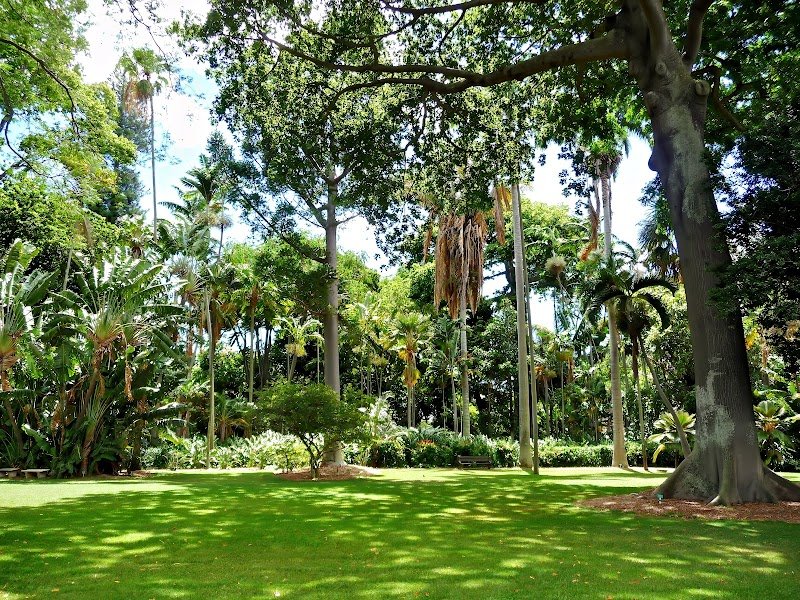
In the heart of Honolulu's urban energy waits a serene retreat thick with the sound of birdsong and the scent of blooming orchids. Foster Botanical Garden, a 14-acre historic site, invites both locals seeking quiet moments and travelers eager to connect with the living heritage of the Hawaiian Islands. Pathways wind beneath an ever-changing patchwork of shade as towering trees, rare palms, and showy tropical blooms frame an effortless escape into nature’s calm.

Visiting Info

Currency
Entrance fee
5 USD
Hours
Opening hours
Monday: 9:00 AM – 4:00 PM
Tuesday: 9:00 AM – 4:00 PM
Wednesday: 9:00 AM – 4:00 PM
Thursday: 9:00 AM – 4:00 PM
Friday: 9:00 AM – 4:00 PM
Saturday: 9:00 AM – 4:00 PM
Sunday: 9:00 AM – 4:00 PM

Contact Information

Location
Address
50 N Vineyard Blvd, Honolulu, HI 96817, USA

Planning your visit

A trip to Foster Botanical Garden unfolds best with a bit of preparation. The garden lies just north of downtown Honolulu, making it an easy addition to a day of urban exploring or a destination all its own. The garden rarely feels crowded except during school field trips or spring weekends, but mornings offer the most peaceful strolls amid dew-fresh air and fewer people. Entry is reasonably priced, and tickets can be purchased on-site without long waits. Ample benches, thoughtful paths, and shade keep the environment comfortable for seniors and families with children.

  • Best time to visit: Early morning or late afternoon, year-round. Spring and winter offer cooler temps and richer foliage.
  • How to get there: City bus lines 2 and 13 stop at Nuuanu Avenue, a short walk away. Ample parking sits near the main entrance on Nuuanu Avenue if you drive.
  • Accessibility: Most pathways are paved, suitable for wheelchairs and strollers. Restrooms are accessible. Picnic tables provide rest stops.
  • Average visit duration: 1.5 to 2.5 hours covers all major areas at a relaxed pace.

Must see stuff

Foster Botanical Garden weaves together distinct garden collections, centuries-old trees, and well-loved sculpture corners into a landscape full of discovery. Each section whispers a story, blending quiet history with botanical wonder. Pale-skinned, century-old trees, collected by Dr. William Hillebrand in the 1850s, rise like sentinels over lush flowerbeds. The conservatory adds an extra thrill: among colorful orchids, carnivorous plants catch the eye and the imagination alike. Paths lead to a Buddhist stone lantern and an ancient cemetery where Hawaii’s multicultural roots find reverent recognition.

  • Key sights or features: Exceptional trees including the massive baobab and rare cannonball tree, Prehistoric Glen with ancient cycads, outdoor orchid displays, Butterfly Garden, and the small but fragrant Herb Garden.
  • Unique experiences: Join a docent-led walking tour to unlock botanical secrets, or linger in the Orchid Conservatory to spot blooms found nowhere else in Hawaii. The Sensory Garden, designed for tactile and scent exploration, welcomes families and visually impaired visitors.
  • Photo-worthy locations: The blooming orchid arches, the iconic Ahu stone lantern, and the leafy canopy along the Main Path invite photography. Don’t miss snapshots of the whimsical Moreton Bay fig roots.
  • Cultural or historical facts: Foster Botanical Garden opened in 1931, growing from the private estate of Queen Kalama and early naturalists. Several trees are among Hawaii’s oldest living imports, and the garden stands listed on the National Register of Historic Places.

Tips for your visit

Wandering Foster Botanical Garden brings small joys, yet rewards a little extra planning. Though most of the garden sits flat and shaded, midday can feel humid—pace yourself and hydrate often. Some signs describing rare species may show their age; bringing a guidebook or scanning QR codes can help unlock extra facts. Mosquitoes make appearances after rainfall, so light repellent helps protect bare ankles. Evenings close early, so check hours before arriving late. The city’s pulse lingers just beyond the hedge, but within the garden, gentle respect for plants and fellow visitors keeps the atmosphere restful for everyone.

  • Best times to avoid crowds: Arrive before 10 a.m. or in the last hour before closing, especially on weekdays or non-holiday periods.
  • What to bring: Refillable water bottle, sunhat, insect repellent, comfortable walking shoes, lightweight rain jacket, and a camera or smartphone for photos.
  • Local etiquette or rules: Stay on the paths, do not pick or disturb plants, and keep voices low in the Sensory and memorial areas. Picnicking is allowed only in designated spots.
  • Safety or comfort advice: Watch for slick pavement after rain and hydrate regularly. Shade is generous, but sunscreen remains advisable for open areas.

Similar Attractions