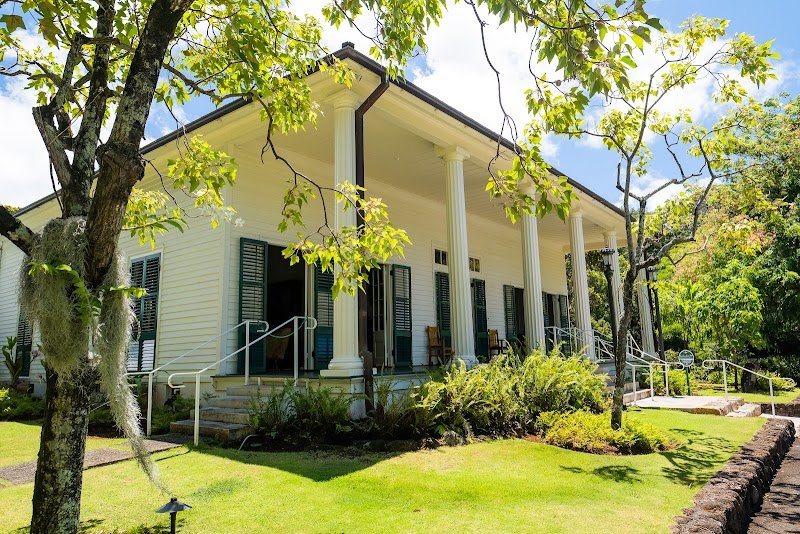
Google Places photo

Queen Emma Summer Palace

Honolulu, U.S.A.

Shaded by ancient monkeypod trees and fragrant plumeria blossoms, Queen Emma Summer Palace offers travelers a rare glimpse into Hawai‘i’s royal past. Tucked quietly into the foothills of Nu‘uanu Valley, this peaceful home once sheltered Queen Emma, King Kamehameha IV, and their son during the hot Honolulu summers. Today, its quiet gardens and cool wooden halls connect guests to another era—one marked by grace, tradition, and an enduring connection to the land.

Visiting Info

Currency
Entrance fee
20 USD
Hours
Opening hours
Monday: Closed
Tuesday: Closed
Wednesday: 10:00 AM – 3:00 PM
Thursday: 10:00 AM – 3:00 PM
Friday: 10:00 AM – 3:00 PM
Saturday: 10:00 AM – 3:00 PM
Sunday: Closed

Contact Information

Location
Address
2913 Pali Hwy, Honolulu, HI 96817, USA

Planning your visit

Queen Emma Summer Palace, known locally as Hānaiakamālama, lies just a short drive from downtown Honolulu. The museum keeps the crowds manageable, but arriving early or mid-week ensures the most tranquil experience. With a modest entrance fee and free parking, the experience feels accessible to most travelers. Plan for warm afternoons, gentle breezes, and the welcoming sound of peacocks in the distance. Guided tours, when available, bring extra depth, but a self-led audio tour or informational brochure lets visitors linger where curiosity takes hold.

  • Best time to visit: Morning hours (9 a.m.–11 a.m.) on weekdays for fewer crowds. The gardens are lusher in spring, but the palace charms year-round.
  • How to get there: By car, taxi, or public bus (Route #4 or #15 from downtown Honolulu).
  • Accessibility: Wheelchair accessible ramp to the main level; ask at the entrance for assistance. Family-friendly; strollers welcome on most paths.
  • Average visit duration: 60–90 minutes, longer if attending a cultural program or taking many photos.

Must see stuff

History settles into every corner and creaking floorboard of Queen Emma Summer Palace. The home blends Hawaiian royalty with Victorian touches, showing how two worlds once came together. Colorful gardens surround the building, which houses many of Queen Emma’s original furnishings, art, and personal mementos. Light filters through tall windows, softly illuminating displays that tell stories of love, loss, and change. Around each corner, careful signs share Hawaiian language, court customs, and the house’s unique features.

  • The Folly Room: Queen Emma’s library and favorite resting spot, lined with rare books and artifacts.
  • The Royal Bedroom: The bed where Queen Emma slept, surrounded by family portraits and gifts from other monarchs.
  • Prayer Altar: A beautiful setting for reflection, once used by the Queen for daily prayer.
  • Garden Paths: Meandering through native trees and traditional medicinal plants, where vibrant plumeria and bird-of-paradise bloom year-round.
  • Hidden koi pond: Quiet seating for a reflective moment, sometimes missed by hurried travelers.
  • Guided tour insights: Docents explain both history and legends unique to the site, including little-known royal traditions and the role the palace played during historic storms.
  • Photo spots: The pale blue facade with flowering trees, Queen Emma’s favorite lanai, and the stately koa wood staircase.
  • Cultural tidbits: Learn why the palace faces the mountains and hear stories of royal feasts once held on the lawn.

Tips for your visit

Details make the experience at Queen Emma Summer Palace both comfortable and memorable. Since the home sits at a slightly higher elevation, trade winds can provide relief from city heat but also bring passing showers. The site asks for respectful behavior, as the house is both a museum and a wahi pana (sacred place) to many locals. Official staff, often dressed in muʻumuʻu or aloha wear, offer friendly advice. Local crafts sometimes appear for sale near the visitor shop—a smart place for thoughtful souvenirs.

  • Best times to avoid crowds: Mid-mornings and late afternoons on weekdays, or right when doors open.
  • What to bring: Water bottle, walking shoes, camera, small umbrella (weather can change quickly in Nu‘uanu).
  • Local etiquette: No food or drink inside; keep voices low and treat displays gently. Ask before taking photos of staff or groups.
  • Safety & comfort: Restrooms available near the entrance. Some paths are uneven; mind the steps, especially on wet mornings.
  • If with kids: Stroller-friendly outdoors, but hands-on exhibits are limited—bring picture books or a small notepad for sketching.