Google Places photo

Waimea Botanical Garden

Honolulu, U.S.A.
i

Google Places photo

Photo by Jay Burcham

On Oahu’s North Shore, among rugged ridges and lush valleys, Waimea Botanical Garden quietly welcomes travelers from around the world. Birds chirp above winding paths lined by rare palms and bursts of hibiscus flowers, while local families and curious visitors wander beneath giant canopy trees. With its blend of tropical natural beauty, storytelling, and living Hawaiian culture, the garden offers a refreshing, eye-opening escape from beaches and city bustle. Every corner holds a story about place, history, and the living land.

Visiting Info

Currency
Entrance fee
25 USD
Hours
Opening hours
Monday: Closed
Tuesday: 9:00 AM – 4:00 PM
Wednesday: 9:00 AM – 4:00 PM
Thursday: 9:00 AM – 4:00 PM
Friday: 9:00 AM – 4:00 PM
Saturday: 9:00 AM – 4:00 PM
Sunday: 9:00 AM – 4:00 PM

Contact Information

Location
Address
59-864 Kamehameha Hwy, Haleiwa, HI 96712, USA

Planning your visit

Exploring Waimea Botanical Garden is most enjoyable with a little planning. The garden sits at the back of Waimea Valley, about an hour’s drive from Waikiki. Visitors are greeted by colorful birds and well-kept trails, but afternoons can get warm and crowds sometimes grow thick at peak times. The garden charges an entrance fee, with reduced rates for Hawaiʻi residents, seniors, and children. Tickets can be purchased at the gate or online to save time. Parking is available on-site but sometimes fills up during popular weekends and holidays.

  • Best time to visit: Early morning for cooler temperatures and lighter crowds; spring and winter for waterfall flow and blooming gardens.
  • How to get there: By car via Kamehameha Highway; public bus service (#60) is an option from Honolulu, though it takes longer.
  • Accessibility: Paved main paths make most areas wheelchair and stroller accessible; benches and shaded spots for rest are scattered throughout.
  • Average visit duration: 2-3 hours for a casual walk; more if attending a cultural demonstration or swimming at the falls.

Must see stuff

Waimea Botanical Garden offers more than just tropical foliage. The heart of the valley boasts rare and endangered Hawaiian plants, hidden sacred sites, and a tranquil waterfall for those longing to cool off after a walk. In spring, the air is scented with plumeria and ginger flowers, and the gardens erupt with color. Visitors should leave plenty of time for both the botanical collections and the living cultural programs that add depth to the experience.

  • Key sights or features: The main botanical collections arranged by region (Hawaii, Fiji, Samoa, more); the lush Rainforest Walk; and the ancient Hawaiian heiau (temple) near the lower gardens.
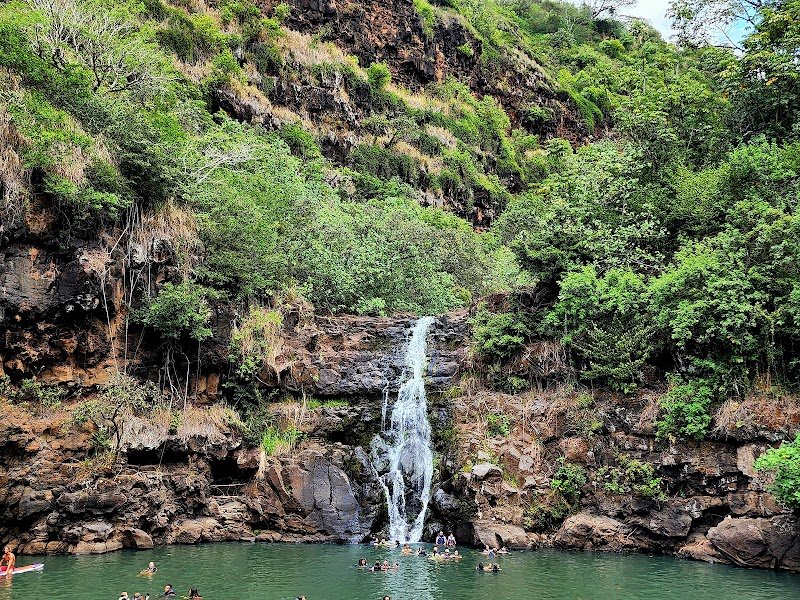
  • Unique experiences: Traditional Hawaiian games on the large lawn; native hula or craft demonstrations in the Ho’olaule’a area; and the chance to swim at Waimea Falls, where lifeguards watch over splashing visitors.
  • Photo-worthy locations: The arched bridge draped with vines; overlooks dotted with bright ti plants; and the base of the waterfall rising behind ferns.
  • Cultural or historical facts: Waimea Valley has been cultivated for centuries, once supporting hundreds of families. Hawaiian legends tie the valley to chiefs and healers who cared for these lands long before modern gardens grew here. Interpretation signs and occasional guided tours help visitors connect with this rich past.

Tips for your visit

Simple steps can make a visit to Waimea Botanical Garden smooth and memorable. Sunscreen, a good hat, and comfortable walking shoes are musts, as much of the path is open to direct sunlight. Bringing a refillable water bottle keeps visitors hydrated, and lightweight rain gear comes in handy during sudden North Shore showers. While food is available at a small café near the entrance, picnicking is not allowed inside the garden proper. Some visitors may find the entry prices a bit steep, but many feel the fees support vital conservation work and Hawaiian cultural programs.

  • Best times to avoid crowds: Arrive right at opening, especially on weekends. Midweek visits tend to be quieter.
  • What to bring: Plenty of water, sun protection, camera or phone for photos, and a swimsuit and towel for the falls.
  • Local etiquette or rules: Stay on marked trails, respect cultural sites, and keep noise levels low near sacred areas. Shower before entering the waterfall pool to protect fragile waters.
  • Safety or comfort advice: Watch for occasional slippery spots after rain, and don’t enter the falls if warning signs are posted for high water flow. Restrooms and shaded rest zones are located near the entrance and at midpoints along the main path.