Google Places photo

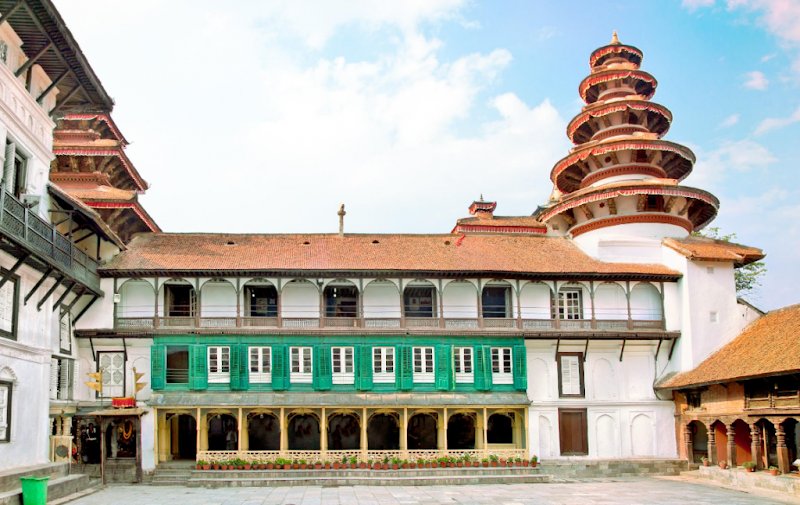
Hanumandhoka Durbar Square

Kathmandu, Nepal
i

Google Places photo

Photo by Anubhav Mahato

Stone-paved alleys lead through a centuries-old square, alive with the quiet power of history and the vibrant thrum of daily life. Hanumandhoka Durbar Square stands as the heart of old Kathmandu, where ancient palaces and shrines watch over the bustle of visitors and local people alike. Here, layers of Kathmandu's royal legacy, spiritual devotion, and communal routines become visible at every turn, offering travelers a rare chance to step into Nepal’s past while witnessing traditions that still shape the city’s daily rhythm.

Visiting Info

Currency
Entrance fee
1000 NPR
Hours
Opening hours
Monday: 9:00 AM – 5:00 PM
Tuesday: 9:00 AM – 5:00 PM
Wednesday: 9:00 AM – 5:00 PM
Thursday: 9:00 AM – 5:00 PM
Friday: 9:00 AM – 5:00 PM
Saturday: 9:00 AM – 5:00 PM
Sunday: 9:00 AM – 5:00 PM

Contact Information

Location
Address
Hanuman Dhoka Sadak, Kathmandu 44600, Nepal

Planning Your Visit

Hanumandhoka Durbar Square welcomes travelers year-round, though some seasons and times offer clearer skies and less crowded courtyards. Its location in the heart of Kathmandu means easy access from all corners of the city, with lively Thamel just a short walk away. While international visitors pay an entrance fee, passes allow for return visits within the same day, which helps when exploring at a relaxed pace. Expect some uneven walkways and crowds around busy shrines, but plenty of benches invite rest under ancient trees.

  • Best time to visit: Early morning (before 10 a.m.) or late afternoon; October–December for cooler, clearer weather
  • How to get there: Taxi or rickshaw from Thamel; buses stop nearby, or simply walk from central areas
  • Accessibility: Most courtyards are suitable for families; those with mobility issues may need help over cobblestones
  • Average visit duration: 2–3 hours for a quick look; half-day to explore museums and side streets

Must See Stuff

Every corner of Hanumandhoka Durbar Square holds a story. Once the royal seat of Malla kings and later the Shah dynasty, this UNESCO World Heritage site presents a cluster of ornate temples, palaces, courtyards, and museums, each reflecting moments from Kathmandu’s long and complex history. Pagan shrines and Hindu structures stand next to Buddhist stupas, and the energy of daily puja, pigeon feeding, and festive processions fills each square. Bold red and gold trim, intricately carved wooden windows, and the endless faces of gods and lions create iconic views for camera lenses and curious travelers alike.

  • Key sights or features: Hanuman Dhoka Palace complex, Taleju Temple, Kumari Ghar (abode of the living goddess), and the iconic Kal Bhairav statue
  • Unique experiences: Watch for the appearance of the Kumari (living goddess) in her window, especially during festivals; join a free walking tour to hear legends few guidebooks capture
  • Photo-worthy locations: Golden entrance door, the stone lions guarding temples, sunlit arches along Basantapur Tower ruins
  • Cultural or historical facts: The courtyard hosted royal coronations and once held court for kings; Kumari Ghar’s living goddess tradition is unique to Kathmandu

Tips for Your Visit

Smart travel choices turn a good day at Hanumandhoka into a memorable one. Plan for unpredictable weather, occasional restoration work, and the enthusiasm of local guides. Street vendors sell colorful souvenirs and sweet milky tea, but the best discoveries come from sidestepping into quieter alleys or joining city residents sipping tea on temple steps. A modest dress code helps when entering shrines, and patience rewards travelers willing to linger until the daytime rush settles and golden light hits the ancient brickwork just right.

  • Best times to avoid crowds: Arrive at opening time or visit just before sunset, especially outside major festivals
  • What to bring: Water bottle, closed-toe shoes (for uneven stones), sun hat, and a camera with extra memory
  • Local etiquette or rules: Remove shoes before entering temple interiors; ask before taking portraits of locals, especially of the Kumari
  • Safety or comfort advice: Watch for loose stones, and keep belongings close in busier plazas; cash works best at ticket counters and smaller shops