Google Places photo

National Museum of Nepal

Kathmandu, Nepal

In the heart of Kathmandu’s chaos and color, the National Museum of Nepal stands as a silent storyteller, holding centuries of culture, war, artistry, and devotion in its sun-warmed courtyards and echoing halls. For travelers eager to understand Nepal’s heritage beyond what meets the eye, this landmark offers more than ancient statues or faded photographs—it brings Nepal’s unique history to life through delicate details and hands-on experiences.

Visiting Info

Currency
Entrance fee
150 NPR
Hours
Opening hours
Monday: 10:30 AM – 2:30 PM
Tuesday: Closed
Wednesday: Closed
Thursday: Closed
Friday: Closed
Saturday: Closed
Sunday: Closed

Contact Information

Location
Address
Museum Marg, Kathmandu 44600, Nepal

Planning your visit

Before stepping into the museum’s world, take time to plan the visit. Located in Chhauni, about two kilometers west of Kathmandu Durbar Square, the museum is easily accessible but can get busy, especially during weekends and festivals. Spring and autumn offer pleasant weather, softer light, and quieter corridors, creating the perfect setting for unhurried discovery. Tickets can be purchased at the entrance, and while crowds rarely reach overwhelming levels, early morning and late afternoon visits let guests explore with ease and reflection.

  • Best time to visit: October to March; weekdays, mornings or late afternoons for fewer crowds
  • How to get there: Local taxis, ride-sharing apps, or city buses on the Ring Road; cycling possible for the energetic
  • Accessibility: Low steps at entrances; main galleries wheelchair accessible, but older wings may have uneven floors; suitable for families and curious seniors with some mobility
  • Average visit duration: 2 to 3 hours for a relaxed exploration
Must see stuff

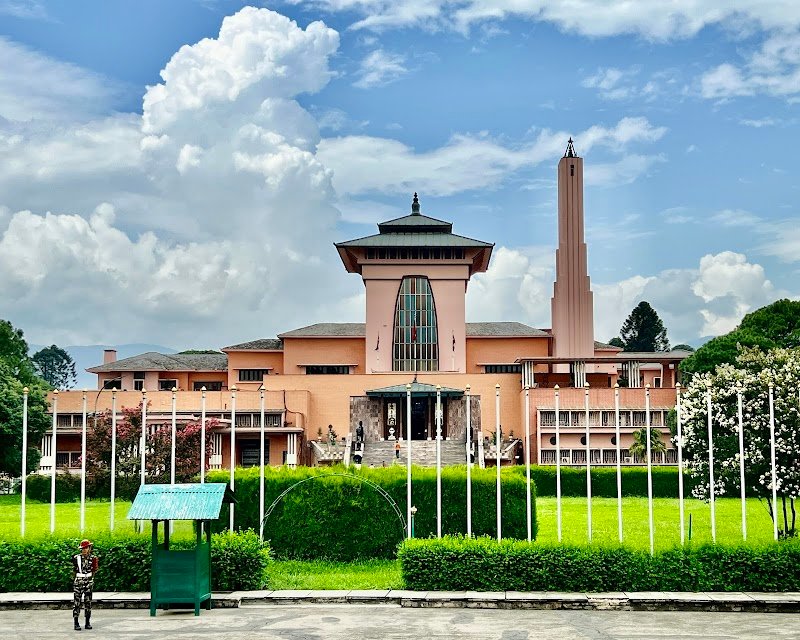
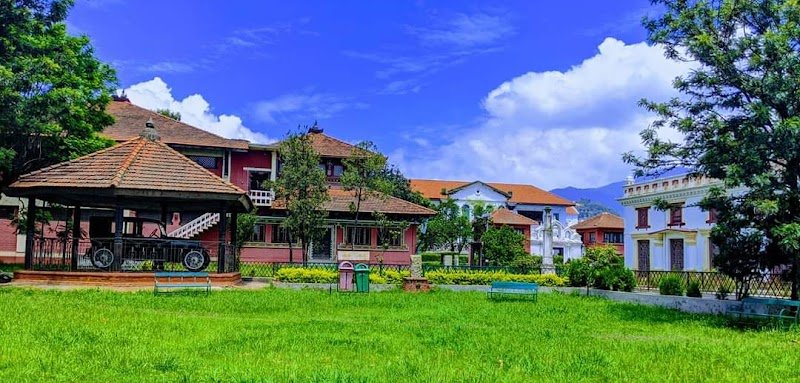
The National Museum unfolds in three main wings: the historical Juddha Jatiya Museum, the art-filled Buddhist Art Gallery, and the imposing Military Museum. Each building reveals treasures that bridge Nepal’s past with its living culture. Some highlights reward extra attention—quiet corners with rare statues as well as epic murals detailing battles and royal ceremonies. Do not rush. Underneath layers of dust, these collections still glow with the pride, struggle, and faith of a nation.

  • Juddha Jatiya Museum: Admire ancient sculptures, metalwork, and crafts from centuries before Kathmandu became a traffic-clogged capital.
  • Buddhist Art Gallery: Explore golden prayer wheels, thangka paintings, and rare manuscripts—some tucked away inside glass cabinets, others in bright alcoves washed with sunlight.
  • Military Museum: Trace Nepal’s military evolution with massive cannons, royal uniforms, and battered shields. Look for unique weapons, from curved kukri knives to hand-carved muskets.
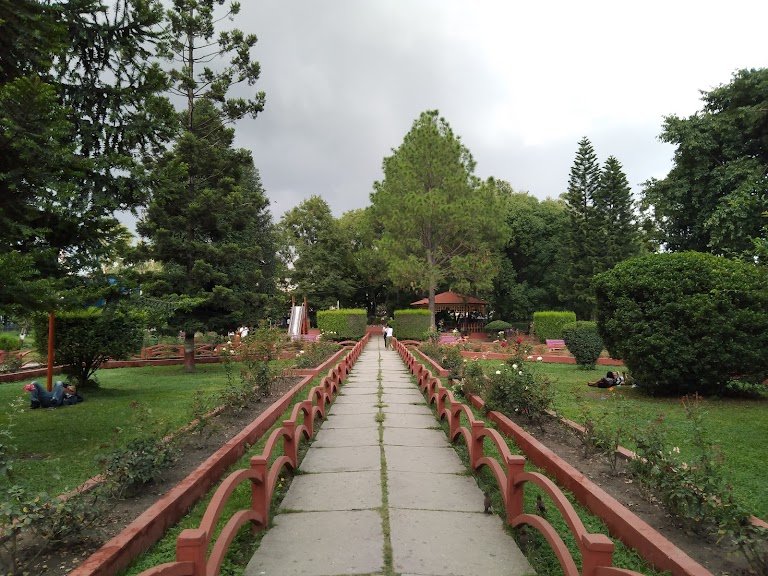
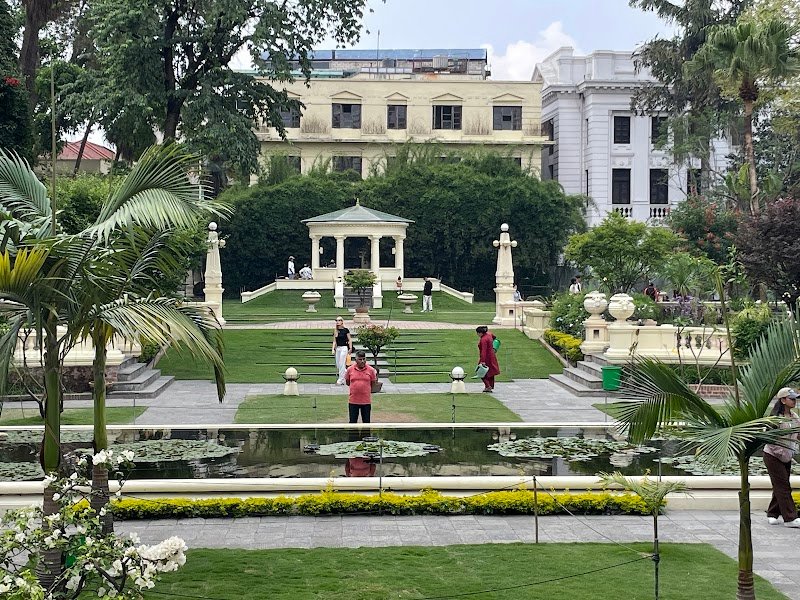
  • Hidden courtyards and gardens: Step outside to find quiet, shaded spots dotted with old stone statues and secret benches, perfect for catching your breath or snapping photos away from the crowds.
  • Photo-worthy locations: The towering white dome outside, the main entrance arch, and tightly packed displays of Hindu gods—each making memorable backdrops for photos.
  • Historical fact: The building itself was once a fort before becoming a museum in 1939; paying attention to weathered brickwork reveals bullet marks from past battles.

Tips for your visit

A little preparation turns a good visit into a great one. The museum’s calm, cool halls may tempt visitors to linger, but proper shoes help on uneven flagstones. Items like outside food or large bags should be left at the entrance, and photography can be limited in some rooms—especially those with sacred art. Courteous behavior—like speaking quietly in galleries and respecting the soft ring of bells or incense in nearby shrines—strengthens the sense of connection here. In Kathmandu’s dry season, dust may float through open doors, so plan accordingly. For deeper insight, local guides or audio tours are available on request at the main counter.

  • Best times to avoid crowds: Early weekday mornings or just before closing; major festival days can be lively but busier
  • What to bring: Water bottle, camera for outdoor shots, small notebook; comfortable flat shoes for old floors
  • Local etiquette: Dress modestly—shoulders and knees covered; keep voices low around shrines; ask permission before taking photos indoors
  • Safety and comfort: Watch for low doorways, uneven floors, and occasional stray dogs just outside the gates

Similar Attractions

National Museum of Nepal – Tickets, Hours & Visitor Guide