Din Daeng Doi

Din Daeng Doi

Krabi, Thailand

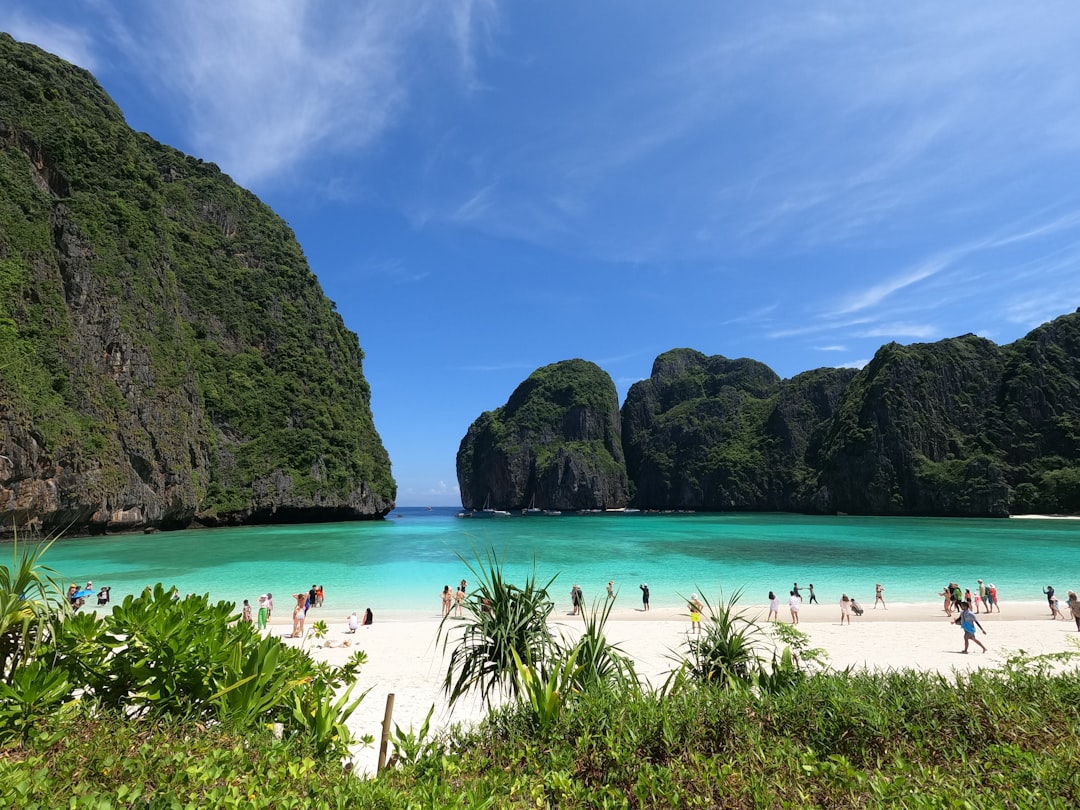
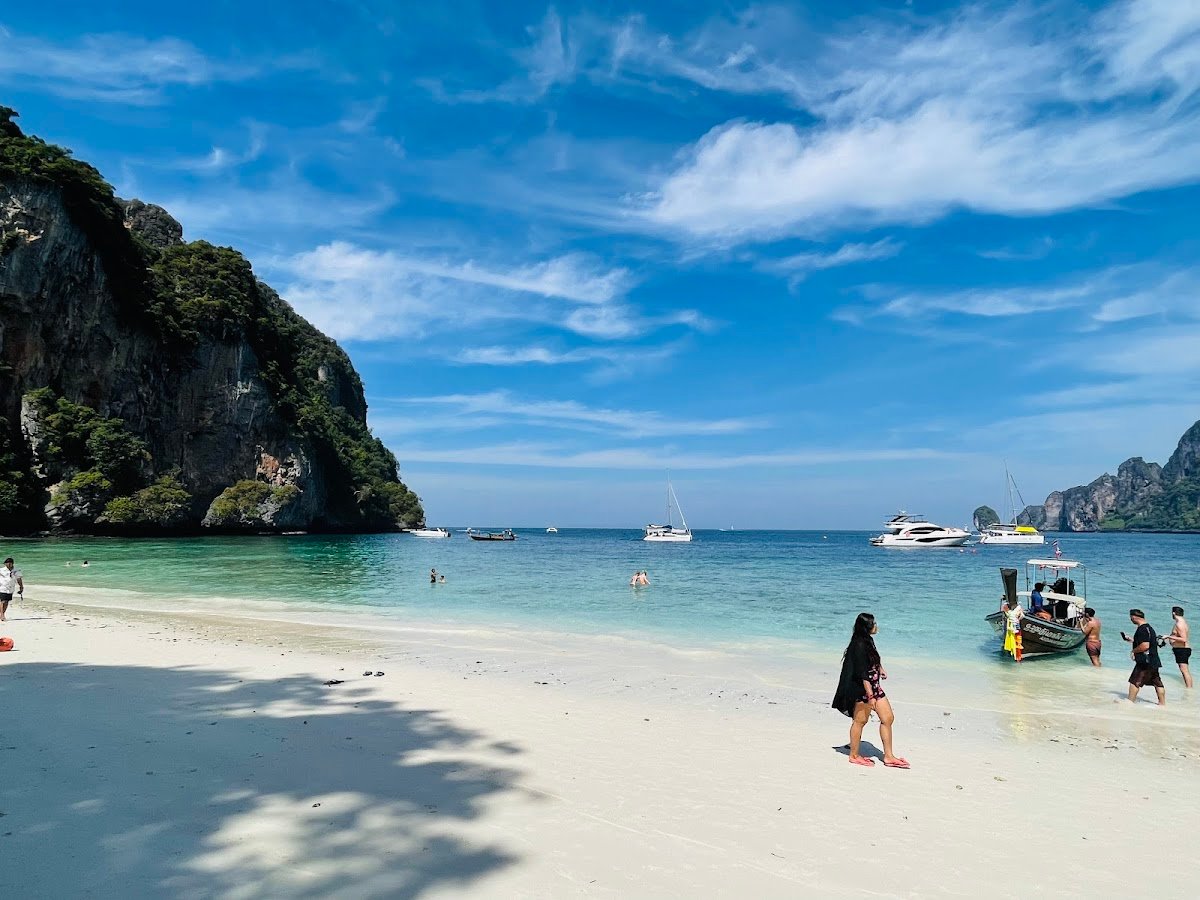
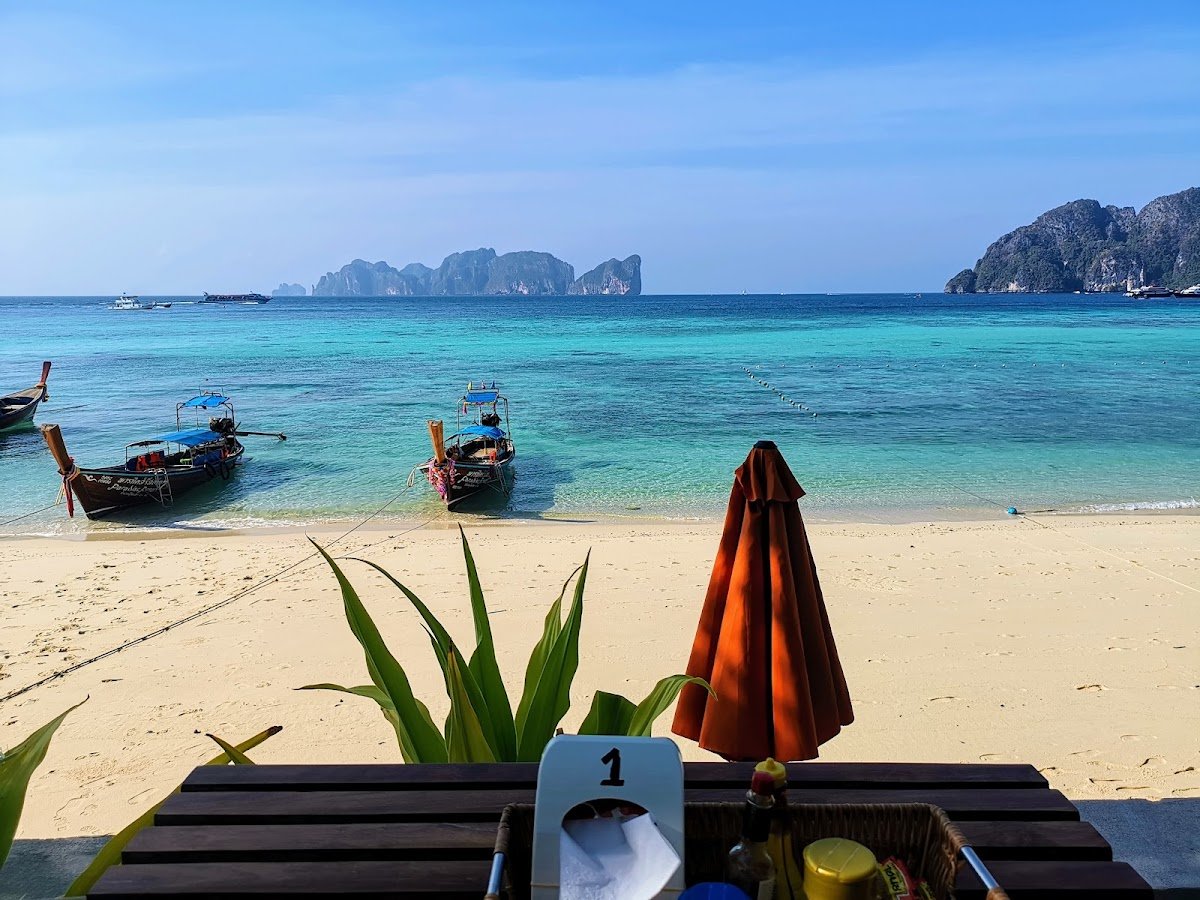
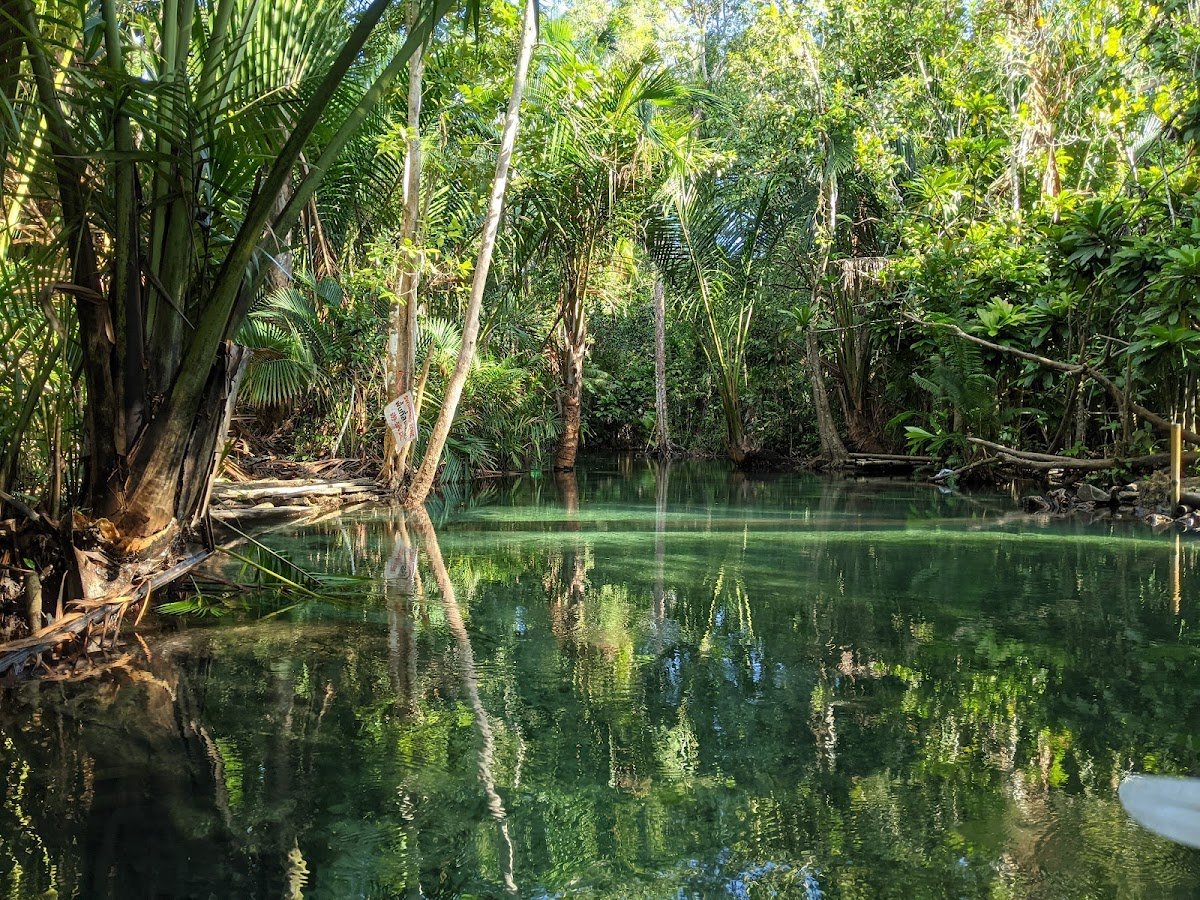
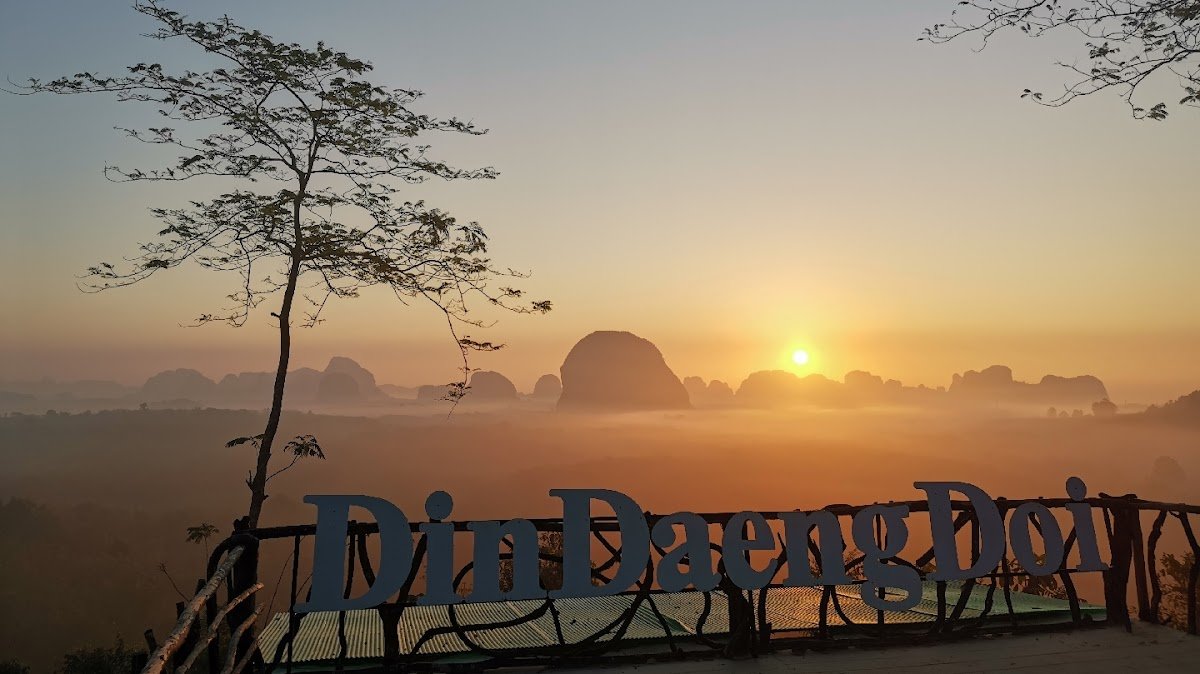
Nestled in the green hills of southern Thailand, Din Daeng Doi stands apart from crowded tourist spots. Here, sharp limestone cliffs rise above fertile plains. Cool breezes sweep across tea plantations and quiet trails. At sunrise, an orange mist hangs over the valley, painting the sky behind rows of rubber trees. This is a place where nature, tradition, and daily life gently blend together. With mountain views and a steady rhythm shaped by local culture, Din Daeng Doi offers a different look at Krabi—slower, richer, and well worth discovering.

Visiting Info

Currency
Entrance fee
80 THB
Hours
Opening hours
Monday: 5:30 AM – 7:00 PM
Tuesday: 5:30 AM – 7:00 PM
Wednesday: 5:30 AM – 7:00 PM
Thursday: 5:30 AM – 7:00 PM
Friday: 5:30 AM – 7:00 PM
Saturday: 5:30 AM – 7:00 PM
Sunday: 5:30 AM – 7:00 PM

Contact Information

Location
Address
212 Tambon Nong Thale, เมือง Chang Wat Krabi 81180, Thailand

Planning Your Visit

To reach Din Daeng Doi, a bit of early planning pays off. The area is rarely crowded, which is part of its appeal. Yet, mornings in peak season sometimes draw local families or curious travelers. Most visitors approach by car or motorcycle, following winding roads through rubber plantations and small villages. Bus travelers can hire a tuk-tuk or songthaew at the nearest bus stop, but these options work best for those comfortable with rustic travel. Trails to the summit are manageable, though very young children or those with mobility challenges may need to pause along the way.

  • Best time to visit: November to February, early morning for cool weather and fewer people
  • How to get there: Self-drive by car or motorbike from Krabi Town (roughly 30 minutes); local tours are available but limited
  • Accessibility: Moderate hiking required; shaded trails with some steep sections; basic facilities at the entrance
  • Average visit duration: 2-3 hours, including time at the summit and stops along the trail
Must See Stuff

At Din Daeng Doi, the main highlight awaits at the summit, where a wooden viewing platform gives a sweeping look over the fields and mountains. Along the walk up, native trees and herbal gardens sit close to the trail, while birds chatter overhead. Buddhist shrines and homegrown coffee stalls welcome weary climbers. Early risers come for the famous sea of mist, rolling like white waves through the hills below. Thoughtful signs along the path explain local history, plant life, and ways families use the hillside to grow food. The quiet is real. The air, tangibly fresh.

  • Key sights or features: The wooden viewpoint at the summit; shaded herb gardens; small coffee huts serving fresh brews
  • Unique experiences: Dawn and sunset views; informal encounters with local guides; picking fresh kaffir lime leaves
  • Photo-worthy locations: Sunrise over the misty valley; rows of tea and rubber trees; colorfully painted benches overlooking distant peaks
  • Cultural or historical facts: The area’s trails have guided villagers to market for generations; shrine sites blend Buddhist and local animist beliefs

Tips for Your Visit

The hillside can feel peaceful, but narrow paths might be slick in the wet season. Din Daeng Doi rewards visitors with comfortable walking shoes and a sense of patience. Crowds grow slightly around local festivals, but the rest of the year sees only a gentle buzz from other hikers. Carrying water is smart, as shops near the summit sometimes close before noon. If planning to greet locals or monks at shrines, modest clothing fits the custom—covered shoulders and knees work best. The trail is safe, though steps can be uneven, so tread with care on dew-soaked mornings.

  • Best times to avoid crowds: Weekdays and non-holiday mornings
  • What to bring: Water bottle, hat, camera, sneakers with good grip
  • Local etiquette or rules: Dress respectfully near shrines; keep noise down; support local stalls through small purchases
  • Safety or comfort advice: Watch for slippery stones and insect bites during rainy months; pack out any trash—bins are few and far between