National Museum in Kraków
Poland’s art and cultural heritage

National Museum in Kraków

Kraków, Poland
i

National Museum in Kraków

The National Museum in Kraków stands as one of Poland’s key cultural treasures. Both locals and travelers trace the nation’s turbulent story through its halls. Art, history, and memory—all find a home here. The museum is neither intimidating nor overwhelming, yet still offers the thrill of discovery. Paintings from centuries past, cutting-edge contemporary works, and rare historical objects appear side by side. For families, school groups, and serious art buffs, there’s no place quite like this in the city.

Visiting Info

Currency
Entrance fee
35 PLN
Hours
Opening hours
Monday: Closed
Tuesday: 10:00 AM – 6:00 PM
Wednesday: 10:00 AM – 6:00 PM
Thursday: 10:00 AM – 6:00 PM
Friday: 10:00 AM – 6:00 PM
Saturday: 10:00 AM – 6:00 PM
Sunday: 10:00 AM – 6:00 PM

Contact Information

Location
Address
al. 3 Maja 1, 30-062 Kraków, Poland

Planning your visit

This museum rewards thoughtful planning, especially during busier months. Spring and fall bring smaller crowds; weekends can fill up with school groups and tourists. Tickets often sell out during major exhibitions. Public transport brings most visitors right to the door, thanks to well-marked tram and bus stops. Wide ramps, elevators, and helpful staff make the museum accessible, but some less-renovated galleries pose minor challenges for wheelchairs and strollers. Most people find that three to four hours allows time to see both the headline exhibits and hidden gems. For quick visits, focus on permanent collections and temporary shows near the entrance.

  • Best time to visit: Early mornings, weekdays, or shoulder seasons (April-May, September-October).
  • How to get there: Tram lines 4, 13, and several buses stop at Muzeum Narodowe; taxis and ride-sharing are easy options as well.
  • Accessibility: Wheelchair and stroller accessible, although some sections are under renovation. Family restrooms are available.
  • Average visit duration: 2-4 hours, depending on interest level and chosen exhibits.

Must see stuff

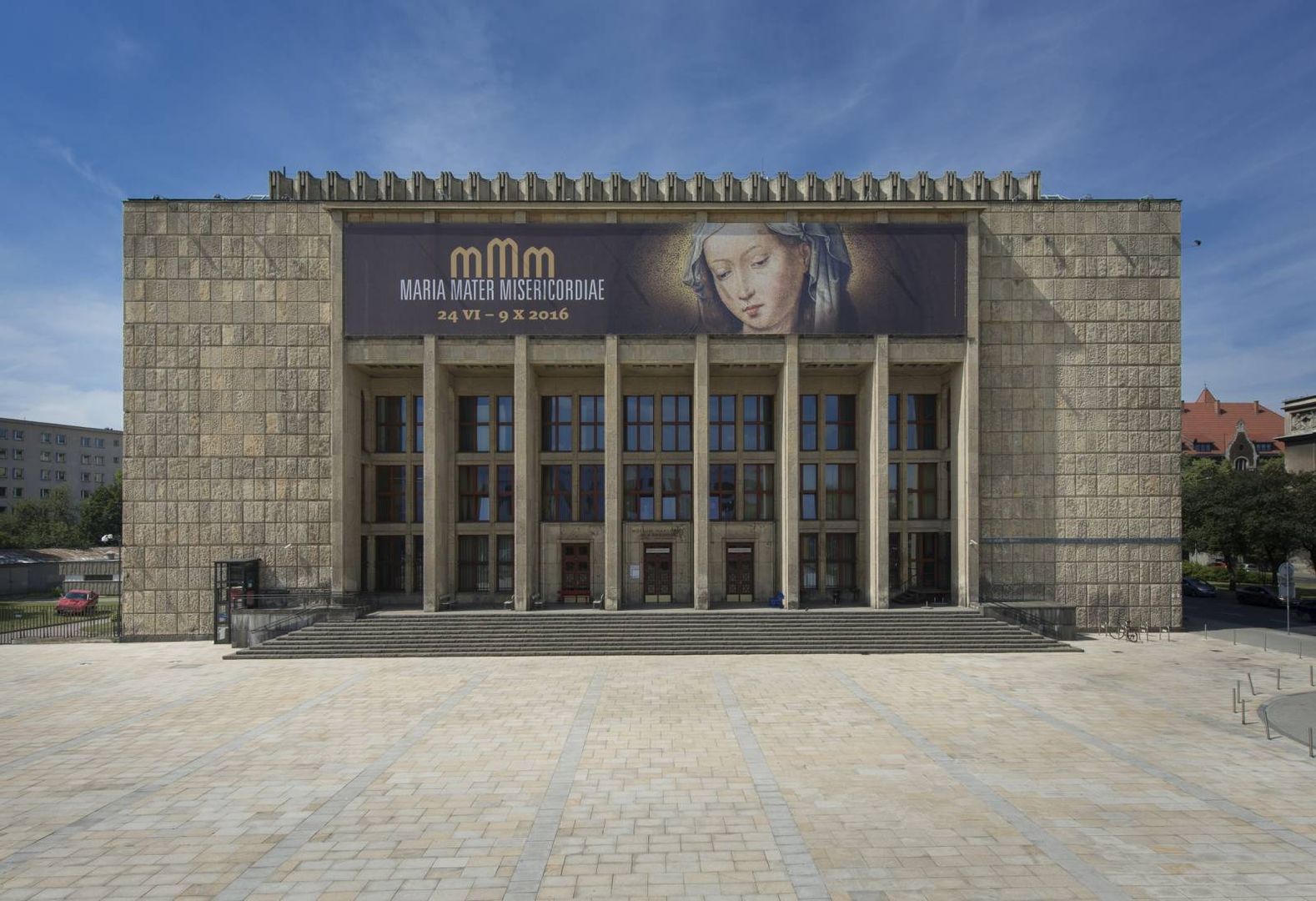
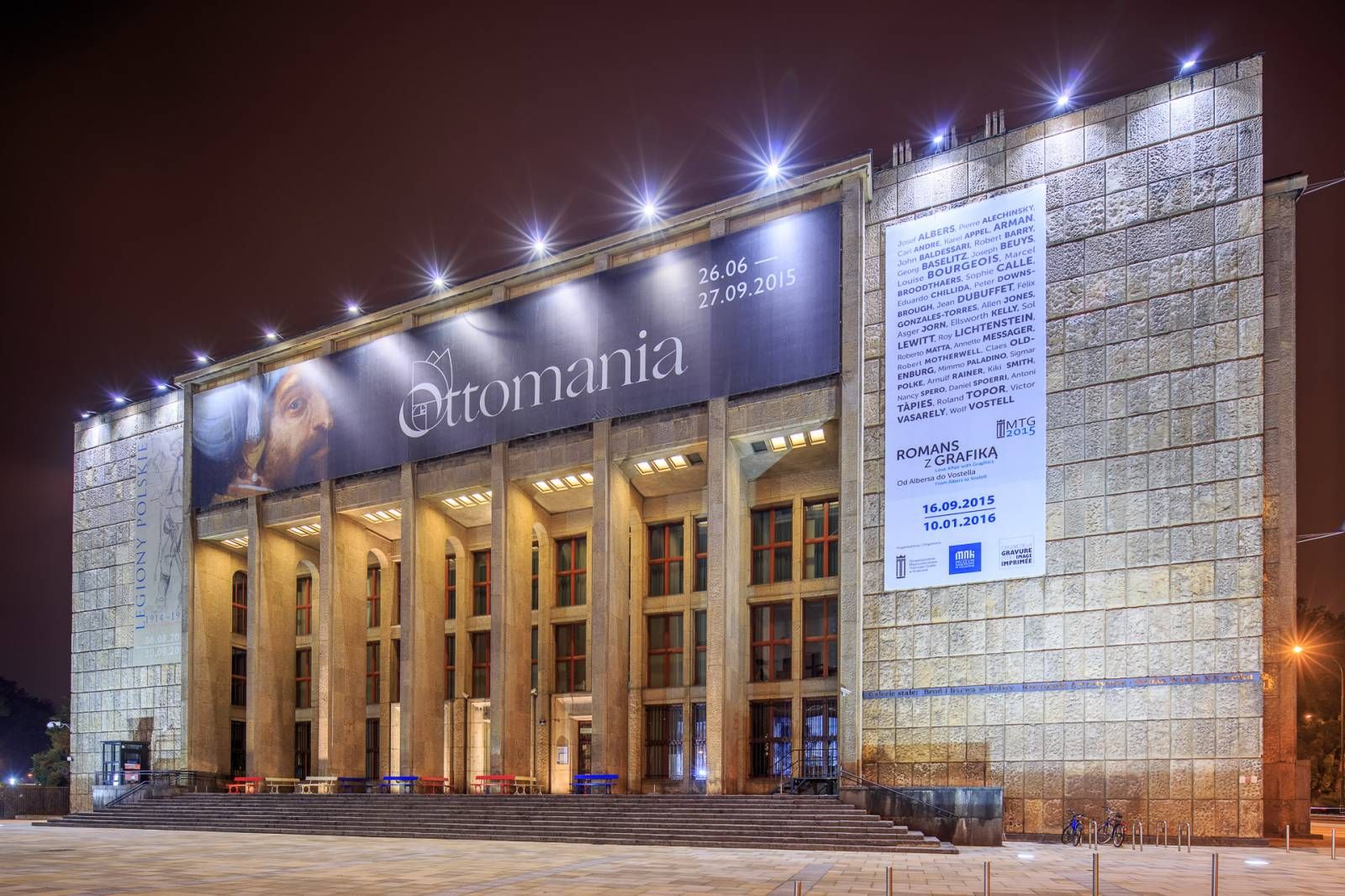
The National Museum’s main building draws visitors first, with its bold, elegant facade along Aleja 3 Maja. Inside, the galleries span many eras, but several highlights deserve special attention. Jan Matejko’s epic battle paintings tower over one first-floor hall, offering both drama and scale. On another level, the armory houses medieval swords and armor once wielded by Polish nobles and kings. Don’t miss the Gallery of 20th-Century Polish Art—arguably the most moving section, with surrealist canvases and protest art that capture Poland’s recent struggles. Tucked away, the Wyspiański Pavilion features delicate works by the famous artist and architect. Outdoors, sculptures and fountains provide quick photo stops. The museum also hosts temporary shows—often focused on women artists, contemporary themes, or rare objects from private collections.

  • Key sights or features: Jan Matejko Gallery, Gallery of 20th-Century Art, historic armory, Wyspiański Pavilion, sculpture gardens.
  • Unique experiences: Audio guide tours available in several languages, workshops for children and adults, occasional open-air evening concerts in summer.
  • Photo-worthy locations: Grand marble staircase, Matejko’s panoramic canvases, main building’s facade, sculptures in the courtyard.
  • Cultural or historical facts: The museum, founded in 1879, survived both world wars. Now, it helps safeguard over 780,000 objects representing centuries of Polish culture.

Tips for your visit

A smooth museum day relies on good preparation. Arrive before noon or after 3 p.m. to avoid tour groups. Bags and large coats must go in the cloakroom, so pack light. Photography is allowed (no flash or tripods). Most descriptions are in Polish and English, but audio guides offer deeper stories. Gift shops on all floors feature locally made crafts and art books worth browsing. Take a short break in the ground-floor café, especially if visiting with children or grandparents. One small drawback: signage can be puzzling in older sections, so don’t hesitate to ask staff for directions.

  • Best times to avoid crowds: Weekday mornings, late afternoons, or outside school holidays.
  • What to bring: Comfortable shoes, a bottle of water, and a camera. Small notepad for sketching or notes can add fun for kids.
  • Local etiquette or rules: Speak quietly, don’t touch the artwork, and check special signs about restricted areas.
  • Safety or comfort advice: Check gallery maps before starting and plan rest stops, especially with young children or seniors.