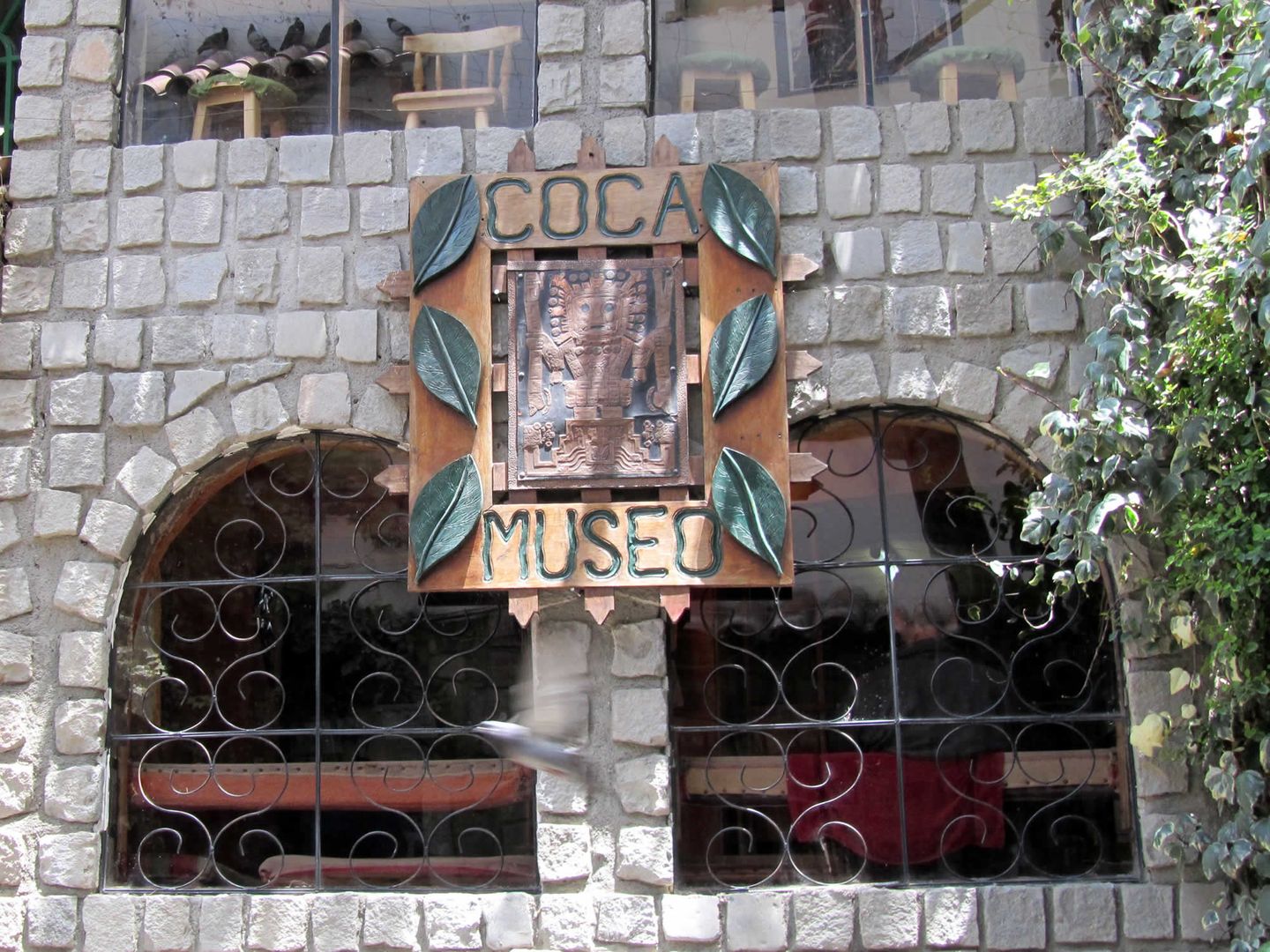
Beautiful view of Coca Museum

Coca Museum

La Paz, Bolivia
i

Beautiful view of Coca Museum

Set on a winding street in the heart of historic La Paz, the Museo de la Coca—or Coca Museum—invites travelers into the often-misunderstood story of the coca leaf. More than just a cluster of old artifacts, this museum uncovers cultural traditions, spiritual beliefs, and stormy politics tied to one of South America's most controversial plants. Inside these walls, visitors catch a rare glimpse behind headlines and stereotypes—meeting the real history of coca, from ancient indigenous rituals to modern-day controversies.

Visiting Info

Currency
Entrance fee
15 BOB
Hours
Opening hours
Monday: 10:00 AM – 12:30 PM, 1:30 – 7:00 PM
Tuesday: 10:00 AM – 12:30 PM, 1:30 – 7:00 PM
Wednesday: 10:00 AM – 12:30 PM, 1:30 – 7:00 PM
Thursday: 10:00 AM – 12:30 PM, 1:30 – 7:00 PM
Friday: 10:00 AM – 12:30 PM, 1:30 – 7:00 PM
Saturday: 10:00 AM – 12:30 PM, 1:30 – 7:00 PM
Sunday: Closed

Contact Information

Location
Address
Linares 906, La Paz, Bolivia

Planning your visit

Exploring the Coca Museum is best done with a little preparation. Housed in a humble yellow building near San Pedro Market, the museum sits above a lively street layered with markets and cafes. Most travelers find the experience even more rewarding with a flexible schedule—early mornings tend to be quieter, and afternoons can get busy as curious crowds gather. The museum is compact but rich in content, so a relaxed pace lets every exhibit tell its story.

  • Best time to visit: Morning on weekdays for fewer crowds
  • How to get there: Walking distance from the Witches' Market and central La Paz; accessible by taxi or minibus from most city locations
  • Accessibility: The building is small, with some stairs; not ideal for strollers or wheelchairs, but families and older visitors often manage with some patience
  • Average visit duration: 1 to 1.5 hours covers displays and gift shop browsing comfortably

Must see stuff

Every corner of the Coca Museum brims with surprises. The well-organized displays reveal the plant’s role in Inca rituals, highland medicine, and today’s ongoing social battles. Detailed dioramas and centuries-old tools paint a vivid picture of life for coca farmers. Thoughtful infographics unpack how the leaf differs from its infamous chemical cousin, cocaine. For a deeper understanding, travelers linger near the colorful wall tapestries—some woven from actual coca fiber—illustrating ancestral uses that persist in the Andes. A quick visit can even end with a cup of coca tea in the tiny onsite café, stirred with tradition and a hint of spice.

  • Key sights: Historical artifacts, indigenous tools for ceremonial coca use, museum maps showing global coca trade routes
  • Unique experiences: Try locally brewed coca tea in the attached café; ask for a guided tour to unlock hidden details in exhibits
  • Photo-worthy locations: Mural at the entrance, displays of traditional Andean clothing set among stacks of coca leaves
  • Cultural and historical facts: Exhibits highlight how coca has shaped both indigenous identity and international law, with real stories of local growers and healers

Tips for your visit

While the Coca Museum welcomes all curious explorers, a little know-how helps the most from this unique stop. The building can get warm in midafternoon, and space is limited if group tours arrive all at once. Materials are in both Spanish and English, but some displays favor local language; staff are friendly and happy to answer questions in either. Visitors report the vibe is informal yet respectful—people often gather to discuss exhibits in low voices, especially around displays addressing contemporary policy challenges.

  • Best times to avoid crowds: Before noon or near closing time; weekends are busiest
  • What to bring: Camera for murals, small bills for entry and café, a notepad for scribbling facts if you love unusual history
  • Local etiquette: Ask before photographing certain displays or staff; remember the coca leaf is a symbol of pride and identity for many Bolivians
  • Safety and comfort: The narrow staircase can be slippery; watch your step and keep an eye on children