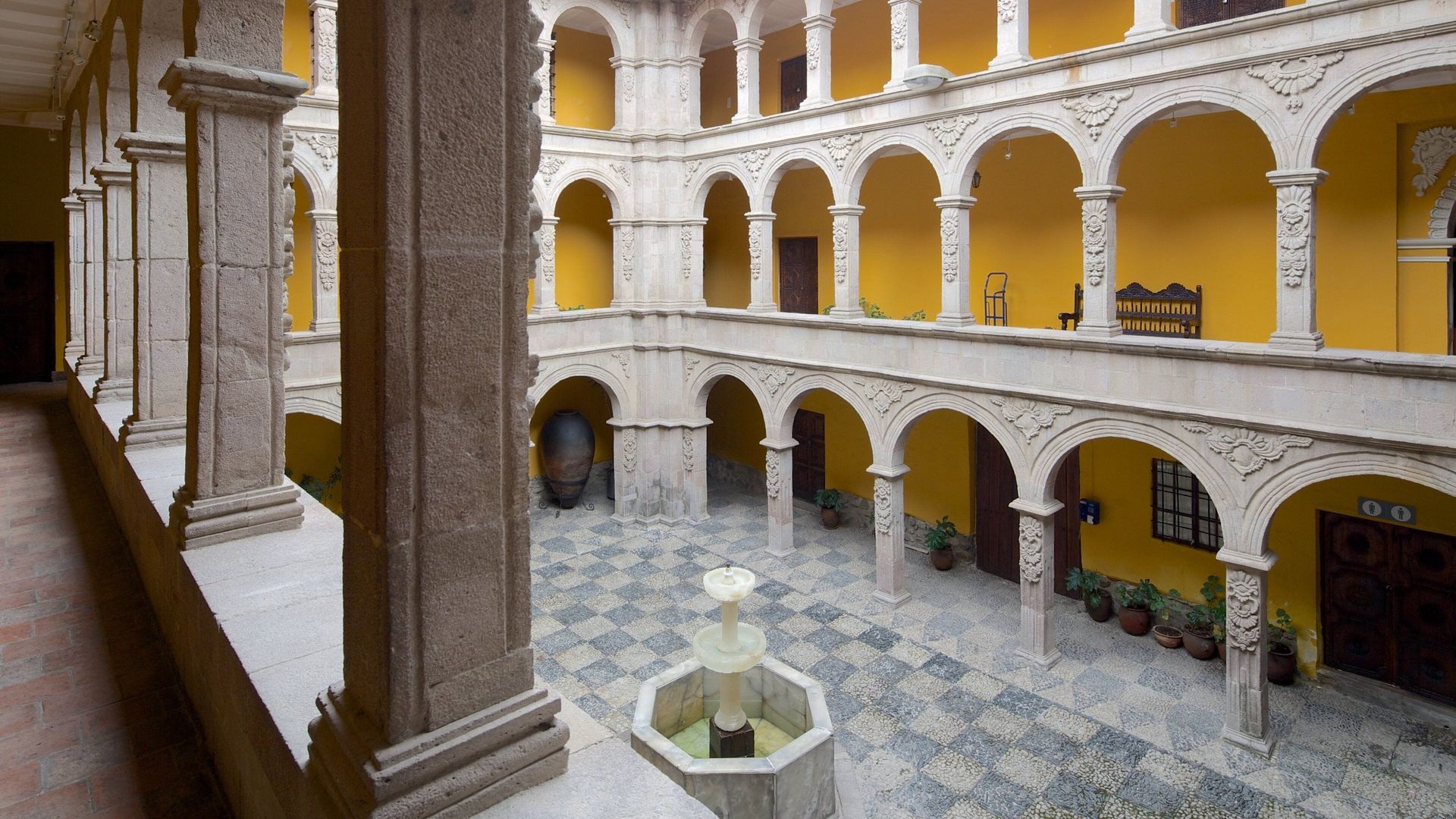
Stepping inside the Museo Nacional de Arte is like opening a well-preserved time capsule, filled with centuries of creativity from across Bolivia and the wider world. This grand museum, set in a colonial-era mansion, bridges the past and present with both its artwork and its architecture. Visitors wandering its halls will find a blend of ornate baroque details and the quiet hum of daily city life. The experience offers a peaceful contrast to the lively streets just outside.
Visitors interested in Bolivian culture and art often place the Museo Nacional de Arte high on their list. The museum sits on Calle Comercio, not far from Plaza Murillo, making it easy to include alongside other downtown sights. Crowds usually remain manageable, though weekends see a spike in local families and school groups. Expect a calm atmosphere, perfect for quiet exploration or thoughtful wandering between galleries.
- Best time to visit: Mid-mornings on weekdays, especially during the dry season (April–October), offer the quietest experience.
- How to get there: Taxis and local minibuses connect central La Paz with the museum. The Teleférico, with a short walk, provides scenic access from different city neighborhoods.
- Accessibility: The historic mansion includes stairs and some uneven floors. Elevators and ramps help in some areas, but visitors with mobility needs may want to check with staff or plan ahead.
- Average visit duration: Around 1.5 to 2 hours covers the main sections without feeling rushed; more time allows for reading, sketching, or soaking up special exhibits.
The museum's collection covers several centuries, from colonial paintings to bold contemporary pieces. The building itself, once the home of a wealthy Spanish merchant, tells its own story through carved stone doorways and sprawling inner courtyards. Wandering between rooms, visitors will notice how the changing light reveals different details—gold-leaf altarpieces, moody religious art, and playful modern sculptures.
- Main Patio (Patio de Honor): A peaceful courtyard with stone columns and arched walkways, perfect for a quiet pause or photos of the building’s architectural bones.
- Colonial Art Galleries: Rooms filled with religious paintings and silverwork from the 16th to 18th centuries, featuring Bolivian and European influences.
- Modern Art Wing: Rotating exhibitions showcase local painters, photographers, and avant-garde installations—don’t miss the bold murals and textile displays.
- Rooftop Terraces: Not all visitors notice the small stairway leading up; those who do are rewarded with sweeping views over La Paz’s city center and the distant mountains.
- Photo-worthy moments: The carved wooden staircase, sunlit corner galleries, and the ornate, red-plastered facade facing the street.
- Historical tidbit: The museum once housed revolutionary leaders during the fight for independence, adding extra layers to every hallway.
Patience pays off inside the Museo Nacional de Arte. Some exhibits invite quiet reflection, while hidden details—like intricate ironwork in doorways—reward a careful look. Photography is allowed in many areas, but always check for signs, as staff sometimes change rules for temporary exhibits. The museum’s small café sells fresh coffee, but food and drink are not allowed in galleries. For travelers with sensitive lungs, the museum’s location at over 3,500 meters above sea level may require slower movement and plenty of water—especially on stairways.
- Beat the crowds: Arrive early or near closing on weekdays for a calm visit.
- What to bring: A camera, a light sweater (the stone walls stay cool), and a notebook for sketching or notes.
- Etiquette: Speak quietly in exhibit rooms; children are welcome, but running and loud play are discouraged.
- Comfort advice: Wear comfortable shoes for uneven tiles; take breaks in shady patios if acclimatizing to the altitude.
Visiting Info


Contact Information


Loading map...