Google Places photo

Agia Mavra Fortress

Lefkada, Greece
i

Google Places photo

Photo by Igor Zaletel

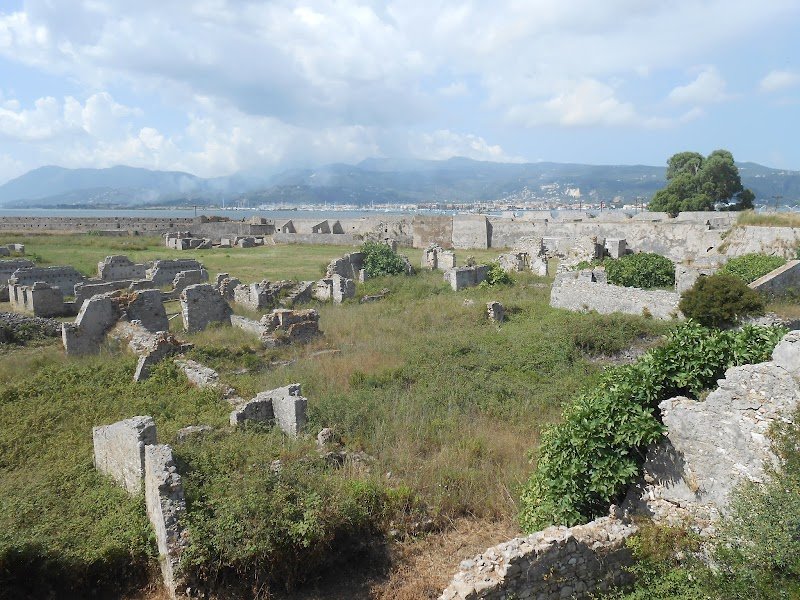
Rising above the lagoon that borders Lefkada, the Agia Mavra Fortress commands attention with its broad stone ramparts and storied past. Built in the early 14th century as a safeguard against pirate raids and rival powers, this landmark endures as both a sentinel and a symbol. The worn bastions and expansive inner courtyards recount centuries of Venetian, Ottoman, and British influence, making Agia Mavra much more than a picturesque ruin. It is a living piece of Greek island history, every shadow filled with stories.

Visiting Info

Currency
Entrance fee
4 EUR
Hours
Opening hours
Monday: 8:00 AM – 7:30 PM
Tuesday: Closed
Wednesday: 8:00 AM – 7:30 PM
Thursday: 8:00 AM – 7:30 PM
Friday: 8:00 AM – 7:30 PM
Saturday: 8:00 AM – 7:30 PM
Sunday: 8:00 AM – 7:30 PM

Contact Information

Location
Address
Φρούριο Αγ. Μαύρας Λευκάδας, Lefkada 311 00, Greece

Planning Your Visit

A trip to Agia Mavra Fortress rewards those who plan ahead. Located at the entrance to Lefkada Island, the castle stands just before the city begins, accessible and visible from the main causeway. Arrivals can appear sudden—the ancient walls emerge after the bridge that links mainland Greece to Lefkada, making the fortress one of the first sights to greet new visitors. Mornings are quieter, offering gentler light and fewer crowds. Summer afternoons heat the stone walls, while spring and early fall bring milder weather and a calmer atmosphere. Tickets are usually sold at the gate, not online, with no lengthy lines but occasional family groups or school tours. The site is mostly open-air with uneven ground, so a visit requires a little stamina and attention, especially for those with small children or mobility concerns.

  • Best time to visit: Early morning or late afternoon, April to June and September to October for softer weather and thinner crowds.
  • How to get there: Reachable by car, local bus, bike, or on foot from Lefkada Town, about 10 minutes away. Free parking is often available just outside the entrance.
  • Accessibility: Suitable for families and history enthusiasts, but not fully wheelchair-accessible. Parts have steep paths or gravel, so strollers may be difficult to maneuver.
  • Average visit duration: Plan for about 1–1.5 hours to wander the grounds, explore the towers, and take photos.

Must See Stuff

Exploration within Agia Mavra fortress starts in the stone-paved outer yard, where sweeping vistas over both the lagoon and the historic bridge join the distant hum of city life. Tall, wind-carved battlements frame every view, offering sightlines once used by soldiers and sentries. Further into the complex, the small church of Agia Mavra emerges—simple, whitewashed, and serene. Some towers and walls still stand almost to full height, letting visitors imagine their role in ancient struggles. The inner courtyards, usually scattered with wildflowers in spring, shift tone with the season and host a few scattered benches for quiet contemplation. On clear evenings, especially in summer, sunset pours amber light across the northern ramparts. Less expected is the occasional open-air concert or local dance staged within the wide parade ground, filling old stones with new rhythm.

  • Main gate and walls: The imposing entrance with crenellated towers and thick defensive walls—perfect for dramatic photo backdrops.
  • Church of Agia Mavra: An active Orthodox chapel that sometimes holds services and offers a peaceful spot for reflection.
  • Inner courtyards and passageways: Winding paths where wildflowers bloom in the spring, and swifts circle overhead in summer.
  • Lagoon and sea views: The west ramparts provide panoramic views of the canal, Lefkada’s bridge, and distant salt flats—excellent both for photos and lingering.
  • Hidden staircases and alcoves: Narrow stone steps lead to quieter sections and unusual views, for those curious enough to explore every old corridor.
  • Cultural notes: Built by the Sicilian Lombards, expanded by Venetians and Ottomans, the fortress has withstood attack and siege. Each power has left some mark in the stonework—look for inscriptions and old artillery placements.

Tips for Your Visit

A few simple strategies can help make a day at Agia Mavra Fortress both comfortable and memorable. The Greek sun can be intense—even early in the season—so sun protection is essential. The ground is often uneven and strewn with gravel, making sturdy shoes a wise choice. Water is not widely sold inside, so bringing a bottle prevents discomfort. Photography is encouraged, especially near the ramparts, but drones are generally not permitted. Many locals regard the church as a living place; modest clothing is appreciated if stepping inside. The site feels safe, but the open nature means little shade and few facilities—no café or shop sits within the walls. These small inconveniences pale next to the true reward: a slow walk through history, nearly untouched by overdevelopment.

  • Best times to avoid crowds: Arrive soon after opening or visit late in the afternoon, especially outside July and August.
  • What to bring: Sunscreen, water, a camera or phone for photos, comfortable shoes with grip, and a hat.
  • Local etiquette: Cover shoulders when visiting the chapel; take care around ongoing maintenance or restoration zones.
  • Safety: Watch young children around high edges; mind low walls and uneven stairs.