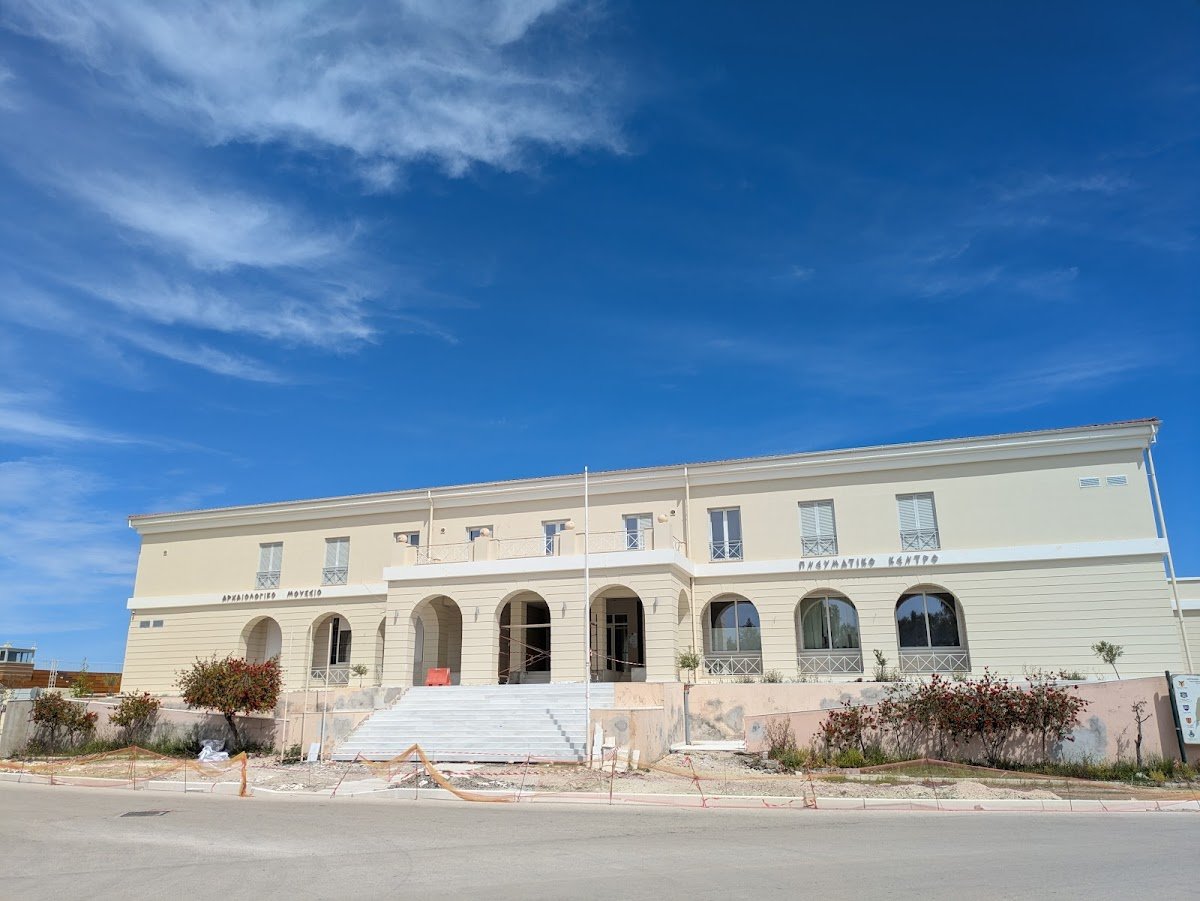
Archaeological Museum of Lefkada

Archaeological Museum of Lefkada

Lefkada, Greece
i

Archaeological Museum of Lefkada

Photo by L M

Nestled in the heart of an island known for turquoise seas and sun-bleached villages, the Archaeological Museum of Lefkada quietly keeps stories from centuries past. Inside cool stone walls, a journey unfolds through local finds—jewelry, coins, and fragments of everyday life. These treasures help create a vivid picture of island history, from prehistoric settlements through Roman times. Instead of grand halls, the museum’s charm comes from its intimacy and the way it connects visitors to ordinary people who once lived in Lefkada. A visit reveals more than ancient pottery; it offers a look at the roots of Ionian daily life and the hidden layers beneath today’s island calm.

Visiting Info

Currency
Entrance fee
3 EUR
Hours
Opening hours
Monday: 8:30 AM – 3:30 PM
Tuesday: Closed
Wednesday: 8:30 AM – 3:30 PM
Thursday: 8:30 AM – 3:30 PM
Friday: 8:30 AM – 3:30 PM
Saturday: 8:30 AM – 3:30 PM
Sunday: 8:30 AM – 3:30 PM

Contact Information

Location
Address
Aggelou Sikelianou, Svoronou ke, Lefkada 311 00, Greece

Planning your visit

Located just off Lefkada town’s lively main avenues, the Archaeological Museum is easy to find whether arriving on foot or by car. The museum’s compact size means crowds are rarely overwhelming, though peak travel months—July and August—see a bit more bustle. Spring and autumn bring fewer visitors, mild weather, and quieter galleries. Tickets are affordable and usually available at the door, but group tours may want to reserve ahead. Families with children or visitors with mobility needs will find the flat entrance and single-level layout convenient, though benches inside are limited. Expect a peaceful atmosphere perfect for thoughtful wandering and plenty of time to linger over favorite pieces.

  • Best time to visit: Early mornings or late afternoons in spring or autumn
  • How to get there: Walk from Lefkada town center; local taxis or buses from nearby hotels; free parking nearby
  • Accessibility: Single-floor building, wheelchair and stroller accessible, suitable for families and seniors
  • Average visit duration: 45–90 minutes

Must see stuff

Though compact, the museum showcases a surprising range of Lefkada’s history. Each room focuses on a different era, telling stories through artifacts found in ancient cemeteries, settlements, and rural ruins around the island. The highlights include delicate ceramic vases, bronze tools, and jewelry from the Bronze Age—pieces once used in local homes and burial sites. Roman statues and mosaics reveal Lefkada’s changing role through centuries of trade and migration. The friendly staff are often willing to answer questions or point out unusual details, making a visit feel personal and engaging.

  • Key sights: Bronze Age burial offerings, ancient coins, mosaic panels, and votive statues
  • Unique experiences: Temporary exhibits featuring recent local discoveries; rare written inscriptions documenting ancient island life
  • Photo-worthy locations: The main gallery’s sunlight-filled displays; a wall painting fragment preserved in the final room
  • Cultural facts: Many objects were excavated from Nidri and other small villages, highlighting Lefkada’s lesser-known history beyond the tourist beaches

Tips for your visit

The relaxed pace of the museum offers space to browse at leisure, but a few smart moves can make a difference. Arriving within the first hour after opening usually means quieter galleries and more attention from staff. Since the museum is air-conditioned, it offers a welcome break from hot island afternoons. There is no café inside—bring a bottle of water and plan a snack stop at one of Lefkada town’s bakeries afterward. Photography is allowed without flash, so remember to charge your phone. While exhibits are labeled in Greek and English, reading up ahead about Lefkada’s early settlements provides extra context. And don’t skip the guestbook at the exit—a chance to leave behind a small note in the company of travelers from around the world.

  • Best times to avoid crowds: Just after opening, weekdays outside of summer holiday periods
  • What to bring: Water, camera or phone, comfortable shoes for standing
  • Local etiquette: Speak quietly inside; do not touch the displays; backpacks may need to be left at the front desk
  • Comfort advice: There are few benches, so plan for some standing; the museum is air-conditioned, but restrooms are basic