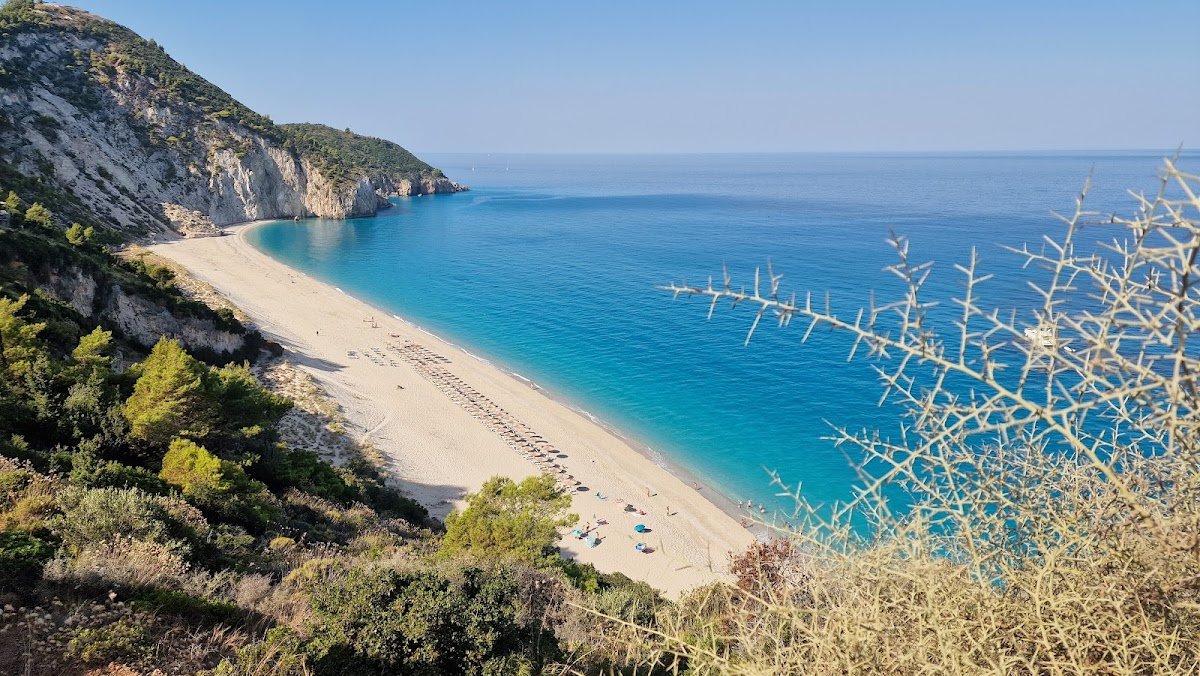
Mylos beach

Mylos beach

Lefkada, Greece

On the western coastline of Lefkada lies a beach that often appears in travel photos yet manages to stay just out of reach for the casual sun-seeker. Mylos Beach remains a word-of-mouth destination, favored for its long curve of unspoiled sand, impossibly blue water, and almost secretive atmosphere. For travelers looking beyond basic beach crowds, this stretch marries rugged Greek beauty with moments of surprising peace.

Visiting Info

Currency
Entrance fee
Free

Contact Information

Location
Address
Mylos beach, 310 80, Greece

Planning your visit

Finding your way to Mylos Beach involves a little more effort than most Lefkada shorelines, so thoughtful planning is key. The busiest months are July and August when Greek families and international travelers line the shore, but even then, Mylos feels wilder and less crowded than better-known neighbors like Porto Katsiki. There are no large resorts or noisy beach bars here. Visitors should expect fine, pale sand flanked by steep cliffs and an entrance either by footpath or by water taxi. This can mean limitations for those with very young children or mobility concerns. Still, the beach earns its renown for those ready for a little adventure and open-sky bliss.

  • Best time to visit: Late May to June or September for warm weather and fewer people. Early morning and evening light also show the beach at its most photogenic.
  • How to get there: Hike a 20-minute scenic footpath from the village of Agios Nikitas (wear sturdy shoes), or in peak summer, take a small water taxi from the same village’s port.
  • Accessibility: The path down is steep and uneven, making access tough for strollers, wheelchairs, or those who have difficulty walking. Not recommended for the very young or people with significant mobility issues.
  • Average visit duration: Plan at least 3-4 hours, especially if you want to swim, picnic, and linger for sunset.

Must see stuff

Mylos Beach offers a handful of iconic highlights along its coast, all waiting for those who make the trek. The sea here glimmers in shades of turquoise and sapphire, while the pale, powdery sand seems endless. Driftwood sculptures—crafted by winds and waves—dot the landscape, lending the area a sort of natural art gallery. Unlike commercialized beaches, refreshment kiosks are nowhere in sight, so the real treasures are natural: swimming in calm, deep water; basking on gently sloping sand; and finding shade cast by cliffs at either end. Photographers, especially, seek the balanced view where water, sky, and sand play out in seamless stripes.

  • Key sights or features: The untouched stretch of white sand flanked by cliffs, sparkling turquoise water, and gentle surf.
  • Unique experiences: Swimming out from the shore as the seabed drops away—ideal for strong swimmers. Cliffside vistas along the descent provide excellent views.
  • Photo-worthy locations: The northern tip of the beach, looking south at sunset; vistas from the top of the cliff before descending; and long exposures of surf at golden hour.
  • Cultural or historical facts: Mylos Beach was historically a meeting point for local fishermen. The name "Mylos" means "mill," a nod to the now-ruined windmill perched above the cliffs, a landmark reminding visitors that life here moves to island rhythms, slower and more deliberate.

Tips for your visit

A little forethought turns a good afternoon at Mylos into an unforgettable one. Since the beach remains relatively wild, forgetting basics may mean a long walk back up to Agios Nikitas. Bringing enough water is essential, as the Greek sun can feel relentless and there are no shaded huts or snack vendors. Shade moves during the day and can disappear entirely by mid-afternoon. While Mylos rarely feels crowded, late mornings tend to be the busiest as visitors descend after breakfast. Early birds or those who linger for sunset enjoy the greatest solitude. Although topless sunbathing is common, modesty is appreciated around families. Strong swimmers have the most freedom, but the sudden depth of water and occasional swells mean caution is wise. Tiny pebbles and the odd piece of driftwood dot the sand, so sandals or water shoes help. Local dogs sometimes wander the shore, friendly but occasionally looking for unattended lunches.

  • Best times to avoid crowds: Arrive before 10 a.m. or after 5 p.m. for the most peaceful stretch of sand.
  • What to bring: Ample water, snacks, a sunhat or sunshade, sturdy shoes for the trail, and swimming gear. Bring out all your trash—no bins here.
  • Local etiquette or rules: Respect the peace—no loud music or rowdy games. Limited facilities mean nature rules. Topless sunbathing is common; nudity is rare but sometimes seen at far ends.
  • Safety or comfort advice: The path down can be slippery, especially after rain. Use caution with children and avoid climbing the windmill ruins for safety.