Google Places photo
Santa Barbara Museum of Natural History

Santa Barbara Museum of Natural History

Los Angeles, U.S.A.

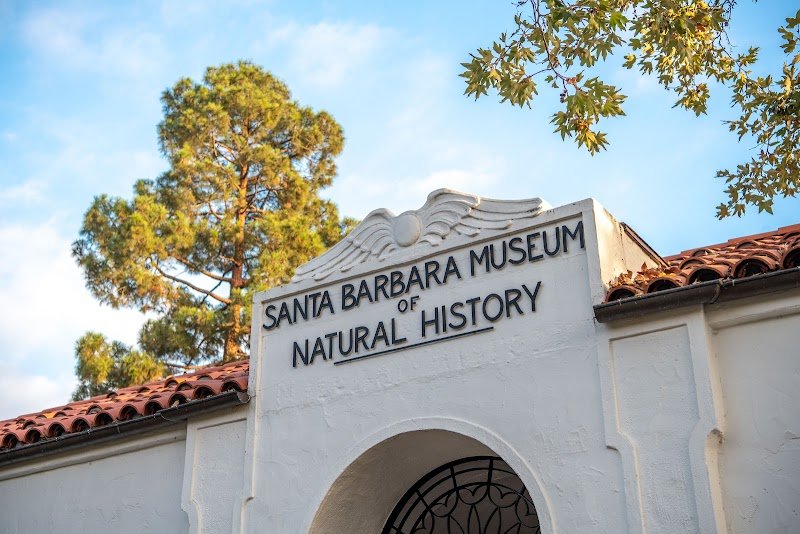
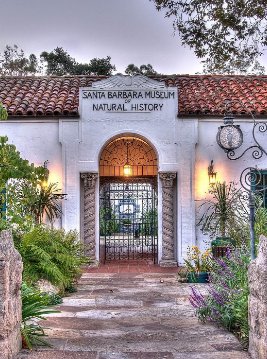
Tucked away under a leafy canopy of coastal oaks, the Santa Barbara Museum of Natural History offers visitors a surprising mix of hands-on discovery, peaceful gardens, and classic museum charm. Here, giant prehistoric skeletons share space with regional wildlife dioramas, and curious kids chase butterflies while amateur botanists debate the best route through the shaded campus. Whether you’re hunting for fossils, exploring the life of the Chumash people, or marveling at a star-filled sky in the planetarium, this museum balances the wonder of science with the laid-back beauty of Southern California’s central coast.

Visiting Info

Currency
Entrance fee
25 USD
Hours
Opening hours
Monday: 10:00 AM – 5:00 PM
Tuesday: 10:00 AM – 5:00 PM
Wednesday: 10:00 AM – 5:00 PM
Thursday: 10:00 AM – 5:00 PM
Friday: 10:00 AM – 5:00 PM
Saturday: 10:00 AM – 5:00 PM
Sunday: 10:00 AM – 5:00 PM

Contact Information

Location
Address
2559 Puesta Del Sol, Santa Barbara, CA 93105, USA

Planning your visit

A successful day at the Santa Barbara Museum of Natural History starts with a little prep. Set just north of downtown Santa Barbara, the museum sits in a quiet residential pocket, surrounded by Mission Canyon’s native plants and just above the famous Old Mission. Weekends, especially during summer, can mean bustling pathways—while a crisp weekday morning often rewards visitors with more space to wander and quieter galleries. Advance tickets are recommended for large groups or special events. The museum is family-friendly, with stroller-accessible paths, convenient parking, and shaded picnic spots for a midday break.

  • Best time to visit: Weekday mornings in spring or fall, or early on summer days before lunchtime.
  • How to get there: Accessible by car (free parking), bike, or the city’s MTD bus line (Route 22); located a short drive from downtown Santa Barbara.
  • Accessibility: Paved paths connect most areas, ramps and accessible restrooms provided; benches for rest are frequent. Strollers and wheelchairs welcome.
  • Average visit duration: 2 to 3 hours for main exhibits and gardens; allow more time for special programs or planetarium shows.

Must see stuff

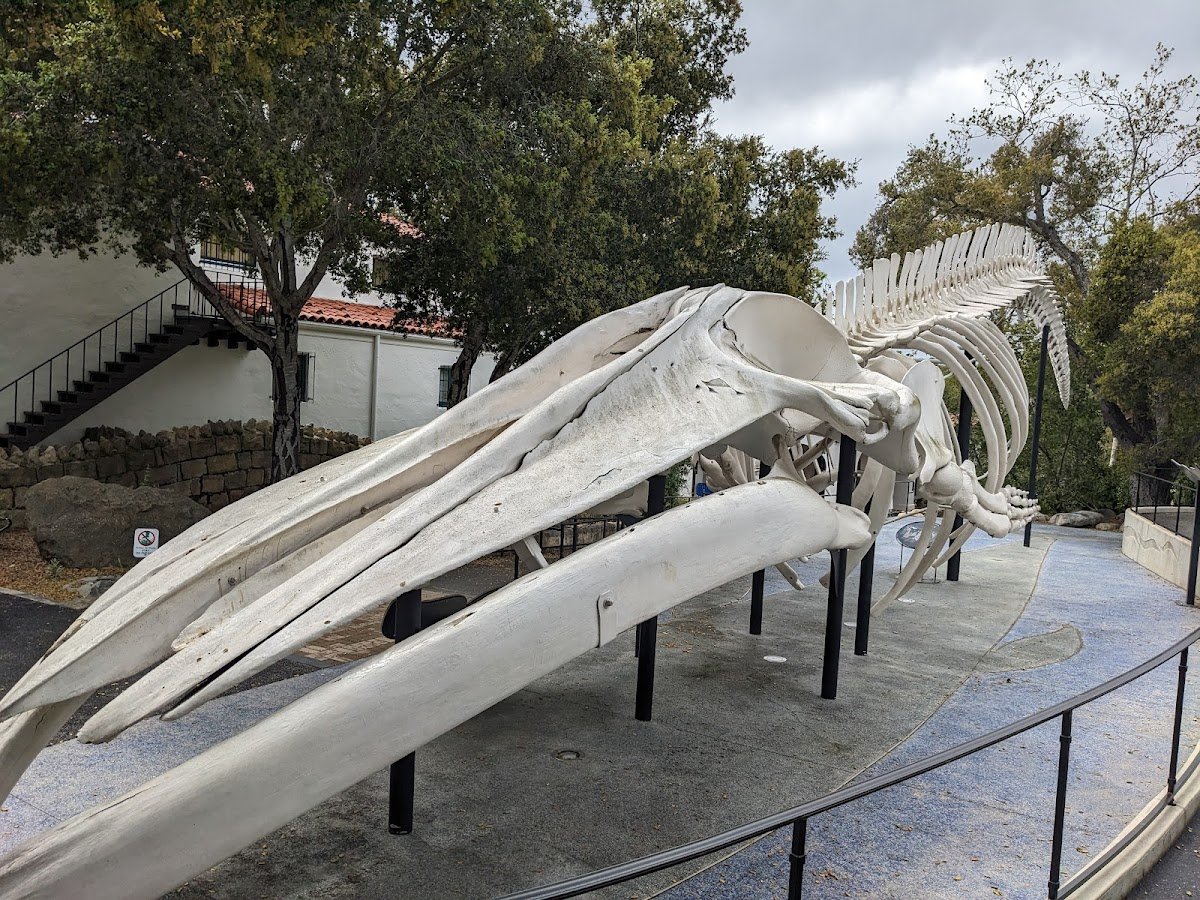
No trip to the Santa Barbara Museum of Natural History feels complete without a trek through its main exhibition halls and outdoor spaces. The museum’s iconic whale skeleton, suspended near the entry, sets the tone for an afternoon filled with natural wonder. Moving indoors, displays of ancient marine fossils transport visitors to the region’s prehistoric past, while carefully recreated habitats showcase native birds, mammals, and even river life. The Chumash Life gallery, a standout, illustrates the traditions and technology of the region’s first inhabitants. For those with kids—or the young at heart—the Backyard area offers streamside exploration and outdoor learning. Tucked among winding paths, the Gladwin Planetarium invites visitors on a celestial tour, and the Butterfly Pavilion (open seasonally) brings winged color to the garden’s edge.

  • Key sights: Colossal blue whale skeleton, Hall of Birds, Prehistoric Sea Life exhibits, Chumash Life gallery, Butterfly Pavilion (spring-summer only).
  • Unique experiences: Hands-on fossil touch tables, guided nature walks along Mission Creek, star shows in the planetarium.
  • Photo-worthy locations: Under the whale skeleton near the entrance, beside the creek in the Backyard, within the colorful Butterfly Pavilion, by century-old oak trees lining the property.
  • Cultural or historical facts: The museum was founded in 1916, and the current campus dates from the 1920s. The Chumash collections are curated in partnership with tribal elders, offering a respectful and engaging window into local history.

Tips for your visit

A trip to the museum comes with just a few trade-offs. During field trip season, the galleries may echo with excited voices—but early afternoons or late in the week usually mean more relaxed crowds. Some indoor galleries run cool, so layering up is smart, especially in the planetarium. Cafés are limited on site, but downtown Santa Barbara’s restaurants lie just minutes away. Exploring the outdoor exhibits and creek trail calls for sturdy shoes and sun protection.

  • Best times to avoid crowds: Weekday mornings; during school terms, avoid late morning hours when school groups typically visit.
  • What to bring: Refillable water bottle, sun hat or sunscreen, camera, light jacket or sweater for chillier galleries or planetarium shows, comfortable walking shoes.
  • Local etiquette: Respect posted signs in the gardens and creek areas; do not touch animal specimens unless invited at specific hands-on stations. Leave food and drink outside main exhibit halls.
  • Safety and comfort: Supervise younger children closely near creek banks and while exploring the outdoor play area; benches and shaded spots are available for breaks as needed.

Similar Attractions