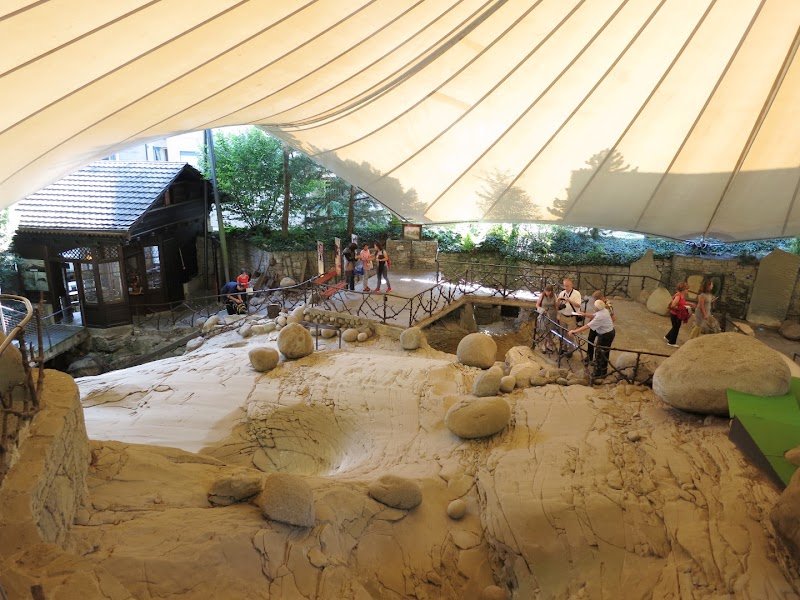
Google Places photo

Glacier Garden of Lucerne

Lucerne, Switzerland

Cradled among lush alpine slopes, the Glacier Garden of Lucerne feels both like a step into ancient Switzerland and a treasure trove of natural wonders. Time worn rocks, primeval fossils, and dreamy gardens blend seamlessly with quirky museum displays and peaceful corners, making the Glacier Garden a rare mix of hands-on fun and vivid storytelling—all in the shadow of snow-tipped peaks.

Visiting Info

Currency
Entrance fee
22 CHF
Hours
Opening hours
Monday: 10:00 AM – 6:00 PM
Tuesday: 10:00 AM – 6:00 PM
Wednesday: 10:00 AM – 6:00 PM
Thursday: 10:00 AM – 6:00 PM
Friday: 10:00 AM – 6:00 PM
Saturday: 10:00 AM – 6:00 PM
Sunday: 10:00 AM – 6:00 PM

Contact Information

Location
Address
Denkmalstrasse 4a, 6006 Luzern, Switzerland

Planning your visit

To get the most out of a trip to the Glacier Garden, a little advance planning goes a long way. While the attraction is open year-round, weather and local events can shape the mood and crowds. The landmark sits a short stroll from Lucerne’s old town, making it easy to pair with a day of sightseeing or a lakeside walk. Tickets are sold onsite, but busy summer weekends and school holidays can mean short lines. The hilly setting feels magical, though some older paths do get slippery after rain, so consider mobility needs if traveling with young children or grandparents. Most main displays have family-friendly ramps and clear signs.

  • Best time to visit: May through October for sunny gardens; early mornings or late afternoons for fewer crowds.
  • How to get there: A 10-minute walk from Lucerne train station; city buses stop nearby; parking available but limited.
  • Accessibility: Most main trails and museum spaces are stroller- and wheelchair-friendly, but some stone paths are uneven or steep.
  • Average visit duration: Two to three hours to explore all highlights at a slow pace.

Must see stuff

The Glacier Garden packs a surprising variety of sights and experiences within its leafy borders. Ancient glacial potholes—carved into stone more than 20,000 years ago—invite hands-on discovery, while the Swiss House Museum charms with cozy old-time rooms. The Mirror Maze, a classic crowd-pleaser, turns simple strolls into laughter-filled adventures for kids and adults alike. Photographers flock to the small lookout platform, where Lucerne’s rooftops and alpine skyline can be captured in a single, stunning frame. For those hungry for stories, signs scattered throughout the garden explain ice age life and the region’s unique geology, each one adding depth to the dramatic scenery.

  • The glacial potholes: Natural stone basins, smooth and deep, formed by melting glaciers thousands of years ago.
  • Mirror Maze: A labyrinth of glass and light, dating back to 1896 and full of playful illusions and retro charm.
  • Swiss House Museum: Period furnishings, maps, and quirky relics show how Swiss families lived long ago.
  • Observation tower: Panoramic views of Lucerne and the lake; perfect for photos during clear weather.
  • Interactive geology displays: Engaging hands-on exhibits and fossils that bring earth science to life, great for children.
  • Historical context: Explore 20,000-year-old Ice Age history and learn about Lucerne’s shifting landscape.

Tips for your visit

Visiting the Glacier Garden calls for comfortable shoes and a sense of curiosity. Early or late in the day, wandering the winding paths feels calm and uncrowded, with the sound of birds and the scent of earth all around. For warm weather, keep a refillable water bottle handy. Those seeking quiet moments can find benches tucked beside shady trees—ideal for resting or sketching. Photography is encouraged almost everywhere, but inside some museum rooms, flashes are not allowed. Restrooms are clean but somewhat limited, so take note during busier hours. The gift shop offers local books and treats for travelers seeking small souvenirs. While most staff speak English and German, helpful signs guide visitors in several languages, making navigation stress-free for international guests.

  • Beat the crowds: Visit near opening or late afternoon for quieter paths and easier snapshot opportunities.
  • What to bring: Comfortable walking shoes, a camera, light jacket or umbrella (weather changes fast), and a refillable water bottle.
  • Local etiquette: Enjoy plants and stones respectfully—walking only on marked paths and keeping noise low near museum spaces.
  • Safety and comfort: Older stone paths can be slick after rain, so watch your step and keep younger children close.