Google Places photo

Fort Thüngen

Luxembourg, Luxembourg
i

Google Places photo

Photo by Chris Stonebank

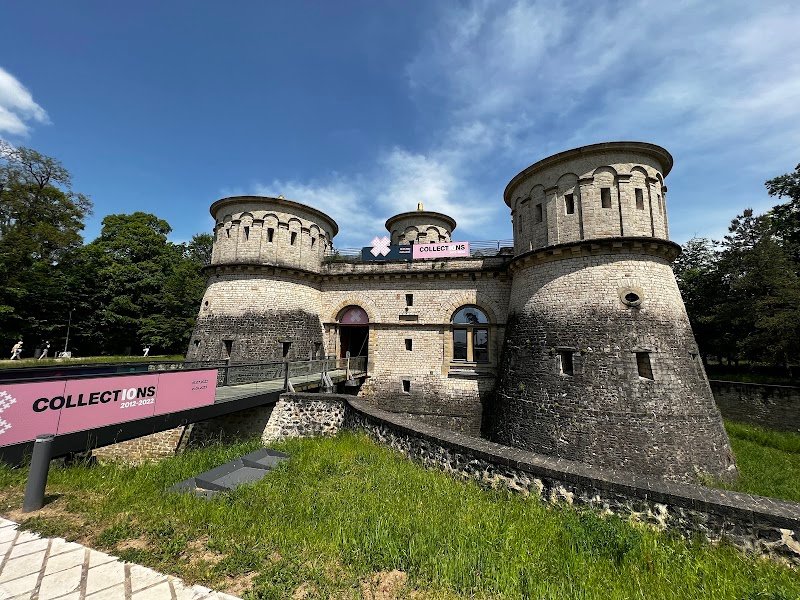
Standing on the outskirts of Luxembourg City’s contemporary skyline, Fort Thüngen commands attention not with soaring height, but with deep, weathered stone and surprising pockets of green. The historic fortress sits between worlds—where modern museums share the landscape with thick ramparts and secret tunnels. Over centuries, Fort Thüngen transformed from a military stronghold into a peaceful place to wander, learn, and imagine. Here, the layers of history are close at hand. Grass-covered bastions carry the echoes of past battles, while views from the top catch the city unfolding in every direction. Every twist in the path offers a new story.

Visiting Info

Currency
Entrance fee
7 EUR
Hours
Opening hours
Monday: Closed
Tuesday: 10:00 AM – 6:00 PM
Wednesday: 10:00 AM – 8:00 PM
Thursday: 10:00 AM – 6:00 PM
Friday: 10:00 AM – 6:00 PM
Saturday: 10:00 AM – 6:00 PM
Sunday: 10:00 AM – 6:00 PM

Contact Information

Location
Address
3 Park Drai Eechelen, 1499 Clausen Luxembourg

Planning your visit

Planning a trip to Fort Thüngen takes less effort than one might expect. Located in the Kirchberg Plateau's parkland, the fort is both central and removed, making for a quiet escape just minutes from the city’s energy. Weekends and warmer months fill with visitors, but off-hours invite a more peaceful experience. Getting there by tram or bus from the city center is quick, with clear signs leading to the Dräi Eechelen Museum inside the fortress. No entry fee is required for the outer grounds, though the museum and special exhibitions may charge modest admission. Paved paths and ramps ease the way for strollers and wheelchairs, though some sections remain challenging due to uneven cobblestones. A typical visit, mixing history, city views, and lingering on the lawns, lasts one to two hours.

  • Best time to visit: Late spring mornings or autumn afternoons for mild weather and fewer crowds.
  • How to get there: Tram line T1 or local bus 16 from Luxembourg City's center, then a short walk through Parc Dräi Eechelen.
  • Accessibility: Mostly stroller and wheelchair-friendly, though a few steep sections require care.
  • Average visit duration: 1–2 hours, longer if combining with nearby museums or picnics.

Must see stuff

Fort Thüngen delivers more than walls and ramparts. The fortress complex shelters the Dräi Eechelen Museum, where interactive displays and artifacts lead visitors through centuries of city defense and daily life. Sunny courtyards offer spaces for rest and reflection, while restored towers bring stories to life. Not to be missed: the panoramic terrace, always alive with the kind of view that calls for a camera. Wandering the tunnels—some low and damp, others filled with light—means stepping into history. Unexpected finds, like wildflowers growing around the cannon mounts or art installations tucked into former bunkers, add a touch of surprise.

  • Key sights: Dräi Eechelen Museum, upper towers, ancient casemates (tunnels), and the cannon terrace.
  • Unique experiences: Guided tours with local historians and summer open-air concerts inside the walls.
  • Photo-worthy locations: The fortress bridge at sunset, panoramic city views from the ramparts, and tunnel openings framed by ivy.
  • Cultural or historical facts: Fort Thüngen, nicknamed “Les Trois Glands” or “Three Acorns” for its domed turrets, dates to the 18th century and was central in Luxembourg’s fortification network.

Tips for your visit

Smart planning can make a visit to Fort Thüngen easy and more rewarding. Early mornings or post-lunch hours let visitors dodge most crowds. The grassy lawns invite picnics, but changeable weather means a light jacket is useful almost any season. Walking shoes help with cobblestones and uneven paths, especially for those exploring the deeper casemates. Museum exhibits usually offer explanations in English, French, and German, but guided tours bring local context alive. Most visitors take photos, so a fully charged camera or phone comes in handy. While the general area feels quite safe, a watchful eye helps with young children near steep walls. Food and drink options are limited on-site, so packing a snack or picnic is wise.

  • Best times to avoid crowds: Weekdays, especially mornings or an hour before closing.
  • What to bring: Water bottle, comfortable shoes, camera, and a light jacket—even in summer.
  • Local etiquette or rules: Respect posted signs; climbing on ramparts is not allowed, and some tunnels may be closed off after rain for safety.
  • Safety or comfort advice: Keep children within reach near steep drops. Restrooms are available just inside the museum building.