Musée Dräi Eechelen

Musée Dräi Eechelen

Luxembourg, Luxembourg
i

Musée Dräi Eechelen

Photo by Musée Dräi Eechelen

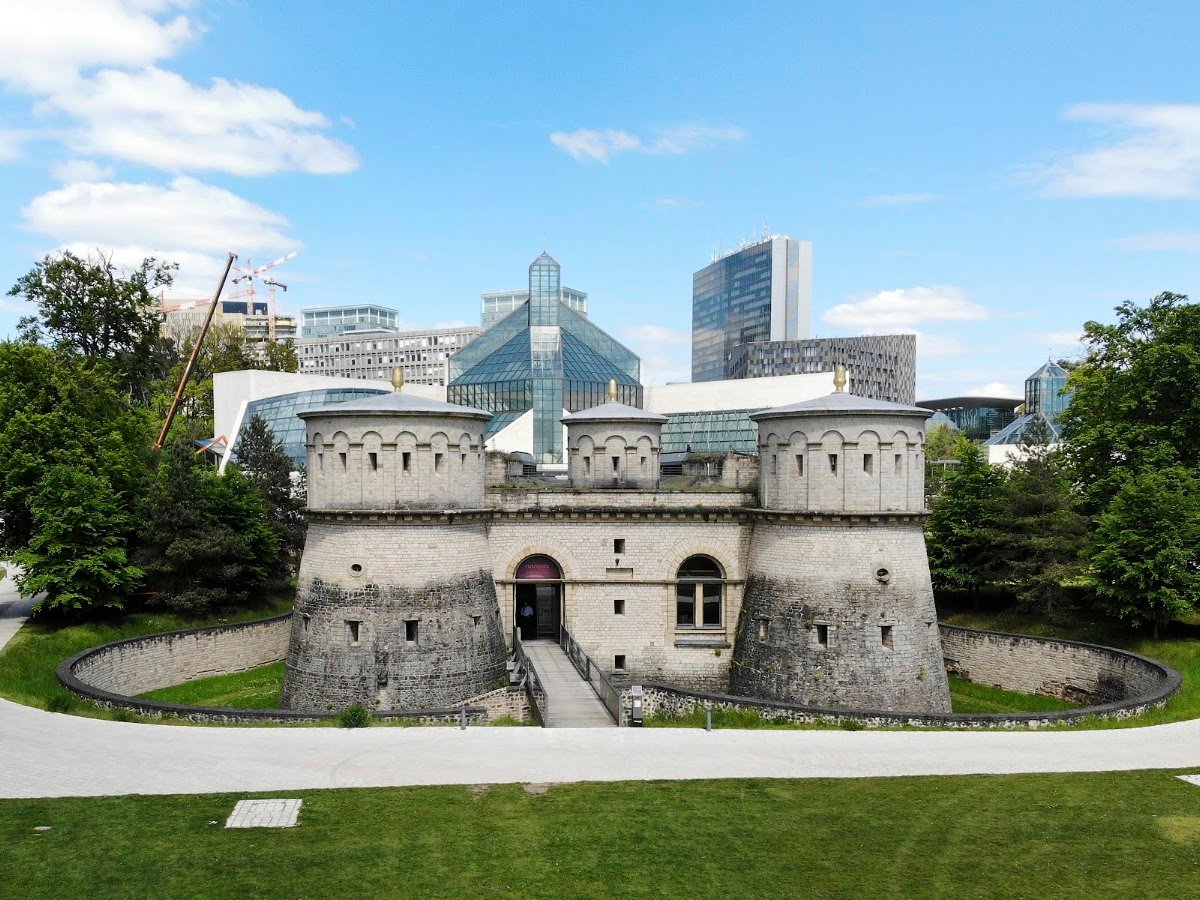
Rising quietly above the Park Dräi Eechelen, the Musée Dräi Eechelen stands as a rare meeting of stone and stories. Set within the mighty walls of Fort Thüngen, this landmark blends centuries of military history with bold displays of Luxembourg’s national past. The museum presents rich collections against a backdrop of thick ramparts and panoramic views of Kirchberg’s skyline, offering visitors both a journey through time and sweeping urban scenery.

Visiting Info

Currency
Entrance fee
7 EUR
Hours
Opening hours
Monday: Closed
Tuesday: 10:00 AM – 6:00 PM
Wednesday: 10:00 AM – 8:00 PM
Thursday: 10:00 AM – 6:00 PM
Friday: 10:00 AM – 6:00 PM
Saturday: 10:00 AM – 6:00 PM
Sunday: 10:00 AM – 6:00 PM

Contact Information

Location
Address
5 Park Drai Eechelen, 1499 Clausen Luxembourg

Planning your visit

Finding the best experience at Musée Dräi Eechelen starts with a bit of forward thinking. Located just across the bridge from the city’s lively old town, the museum is easy to reach by public transport or on foot. Weekends, and especially rainy afternoons, can bring local families and curious travelers alike, so those seeking a quieter pace might aim for early weekdays. Unlike more commercial spots, the museum rarely feels overcrowded, but some temporary exhibitions or events can attract a small rush.

  • Best time to visit: Mornings on weekdays or late afternoons; spring and autumn for ideal temperatures and lighter crowds.
  • How to get there: Walk across the Pont Grande-Duchesse Charlotte from the city center, or take bus lines 1, 16, or 18 to Philharmonie-Mudam stop; parking is available at the nearby Kirchberg district.
  • Accessibility: The site has ramps and elevators, but some areas of the historic structure have uneven cobblestones that may pose challenges for strollers or wheelchairs.
  • Average visit duration: Allow 1.5 to 2 hours to explore the main exhibitions and ramparts.

Must see stuff

Visitors often come for the imposing fortress, but leave talking about the museum’s clever mix of interactive exhibits and preserved architectural features. The thick walls and intact towers create a natural flow from open-air overlooks to immersive displays about Luxembourg’s past. For children and adults alike, the atmosphere is both educational and unexpectedly dramatic. The best experiences combine indoor exploration with walks along the ramparts, as well as pauses for a photo with the city skyline in the distance.

  • Bastions and towers: Clamber up the original fortifications, and peek from arrow slits looking out to the verdant Pfaffenthal valley.
  • Permanent exhibition: Trace Luxembourg’s history from the 15th century through modern times, with weapons, uniforms, maps, and models showing how the city changed over centuries.
  • Hidden passageways: For those who pay attention, partially restored tunnels and passageways whisper of soldiers and secrets—bring a flashlight for the dimmest corners.
  • Courtyard views: Catch sunbeams slanting across the central courtyard, a favorite spot for photographers in the early evening light.
  • Historical layers: The building itself tells a story – many stones display tool marks or evidence of destruction from sieges and rebuildings.

Tips for your visit

While the museum can be navigated without much trouble, a little local wisdom helps unlock a more rewarding day. Comfortable shoes are wise for traversing both museum rooms and uneven outdoor surfaces. Light jackets come in handy—even in summer, the old stone interiors feel cool. Most information is displayed in French, German, and English, but guided tours (sometimes included in the ticket price) add surprising local anecdotes. When school groups arrive mid-morning, the main exhibition rooms can briefly buzz with activity. Snack options nearby are limited, so a bottle of water or a picnic is smart for those lingering in the adjacent park.

  • Best times to avoid crowds: Early mornings or during lunchtime; avoid local school holidays if possible.
  • What to bring: Water, a camera for panoramic photos, and sturdy shoes for stairs and gravel paths.
  • Local etiquette: Keep voices low, especially in the upper galleries; photography is usually allowed, but flash is discouraged.
  • Safety or comfort advice: Some outdoor stone walkways can be slippery after rain—move carefully, especially with children or the elderly.