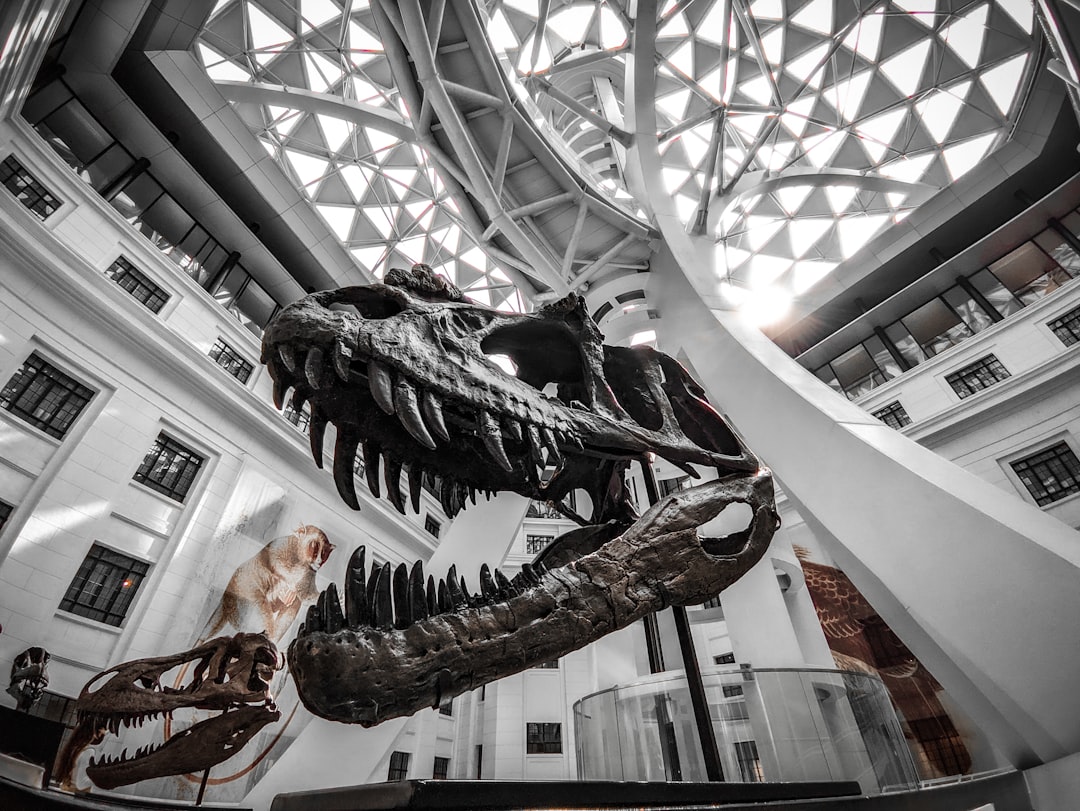
Beautiful view of National Museum of Natural History
a dinosaur skeleton in a museum with a skylight

National Museum of Natural History

Manila, Philippines
i

Beautiful view of National Museum of Natural History

Curiosity waits beneath the soaring atrium of the National Museum of Natural History, Manila. Dinosaurs tower. Shells gleam. Gentle light spills down from the iconic double-helix “Tree of Life” at the core of a quiet wonderland—one made for discovery by schoolchildren, art lovers, and families alike. Here, stories of ancient earth and far-off islands come together, right in the heart of a city buzzing just outside.

Visiting Info

Currency
Entrance fee
Free
Hours
Opening hours
Monday: 9:00 AM – 6:00 PM
Tuesday: 9:00 AM – 6:00 PM
Wednesday: 9:00 AM – 6:00 PM
Thursday: 9:00 AM – 6:00 PM
Friday: 9:00 AM – 6:00 PM
Saturday: 9:00 AM – 6:00 PM
Sunday: 9:00 AM – 6:00 PM

Contact Information

Location
Address
Teodoro F. Valencia Cir, Ermita, Manila, 1000 Metro Manila, Philippines

Planning your visit

Start with a map—and a sense of timing. The National Museum of Natural History stands inside the historic Rizal Park, steps away from bustling boulevards. Mornings feel peaceful, especially on weekdays, while spring breaks and weekends draw a lively crowd. Lines can stretch long, especially for the most popular galleries and during rotating exhibitions. Entry is free, but visitors sign in at the doors, and bags go through security. Allow space for extra time—wandering through six floors of treasures takes patience, and every corner tempts more exploration. Accessible ramps and elevators make visits simple for seniors, parents with strollers, and anyone with limited mobility. The building, stunning when sunlit, stays open year-round, rain or shine.

  • Best time to visit: Weekday mornings or late afternoons (avoid school holidays if possible).
  • How to get there: Easily reached by taxi, Grab, jeepneys, or LRT (UN Avenue station). Parking is available but fills up fast.
  • Accessibility: Wheelchair ramps, elevators, and restrooms are present throughout. Family-friendly, with stroller access and breastfeeding stations.
  • Average visit duration: 2–3 hours to explore highlights; longer for curious minds.

Must see stuff

Few places in Manila rival the museum’s grandeur—or its collection. Carved galleries show off wildlife native to the Philippines, fossils of long-lost megafauna, and dazzling samples of stone and shell. The “Tree of Life,” both art piece and support column, spirals up six stories—it’s the museum’s beating heart. Crowds cluster in front of Lolong the crocodile, who greets visitors from his glass display as the world’s largest saltwater crocodile in captivity. Upstairs, rare orchids, ancient meteorites, and colorful birds fill display halls. Eco-focused exhibits teach visitors about coral reefs, forests, and the urgent need to protect these treasures. For those who seek quiet, the small-scale diorama rooms offer scenes from Philippine caves and seascapes, inviting slow observation and photographs without the bustle. Each gallery reveals secrets: science, artistry, and national pride in equal measure.

  • The Tree of Life atrium: A dramatic glass ceiling and sculptural centerpiece—snap a panoramic photo from the ground floor.
  • Lolong the crocodile: See the country’s immense, preserved reptile for yourself.
  • Heritage biodiversity rooms: Come face-to-face with massive whale skeletons, rare insects, and intricate plant models.
  • Interactive displays: Touch screens and hands-on exhibits for kids and curious adults.
  • Hidden gem: Check out the marble staircases tucked into side wings—cool, quiet spots when galleries get noisy.
  • Fun fact: The building once served as the Department of Agriculture and was lovingly restored for museum use in 2018.

Tips for your visit

Navigating the museum’s maze of exhibits becomes easier with a few smart tricks. Early arrivals enjoy quieter halls, faster lines, and uninterrupted photo ops under the glass dome. Comfortable shoes help for hours on polished floors. Rest breaks in the open courtyard or along broad stairways let families recharge. Photography is allowed (no flash, please), but bags and large items stay in free lockers near the entrance. Water bottles are a plus—though snacks, gum, or full meals remain outside. English and Filipino labels appear throughout, but guided tours are rare, so self-paced discovery is encouraged.

  • Best times to avoid crowds: Arrive at opening time or mid-afternoon; avoid weekends and field-trip season.
  • What to bring: Water, camera, a light bag, and identification for entry.
  • Local etiquette: Speak quietly, respect barriers, and supervise children through fragile displays.
  • Comfort tip: Reserve energy for the upper floors; elevators can be slow during busy hours.