Fort de Ratonneau

Fort de Ratonneau

Marseille, France
i

Fort de Ratonneau

Photo by mohammad mohseni

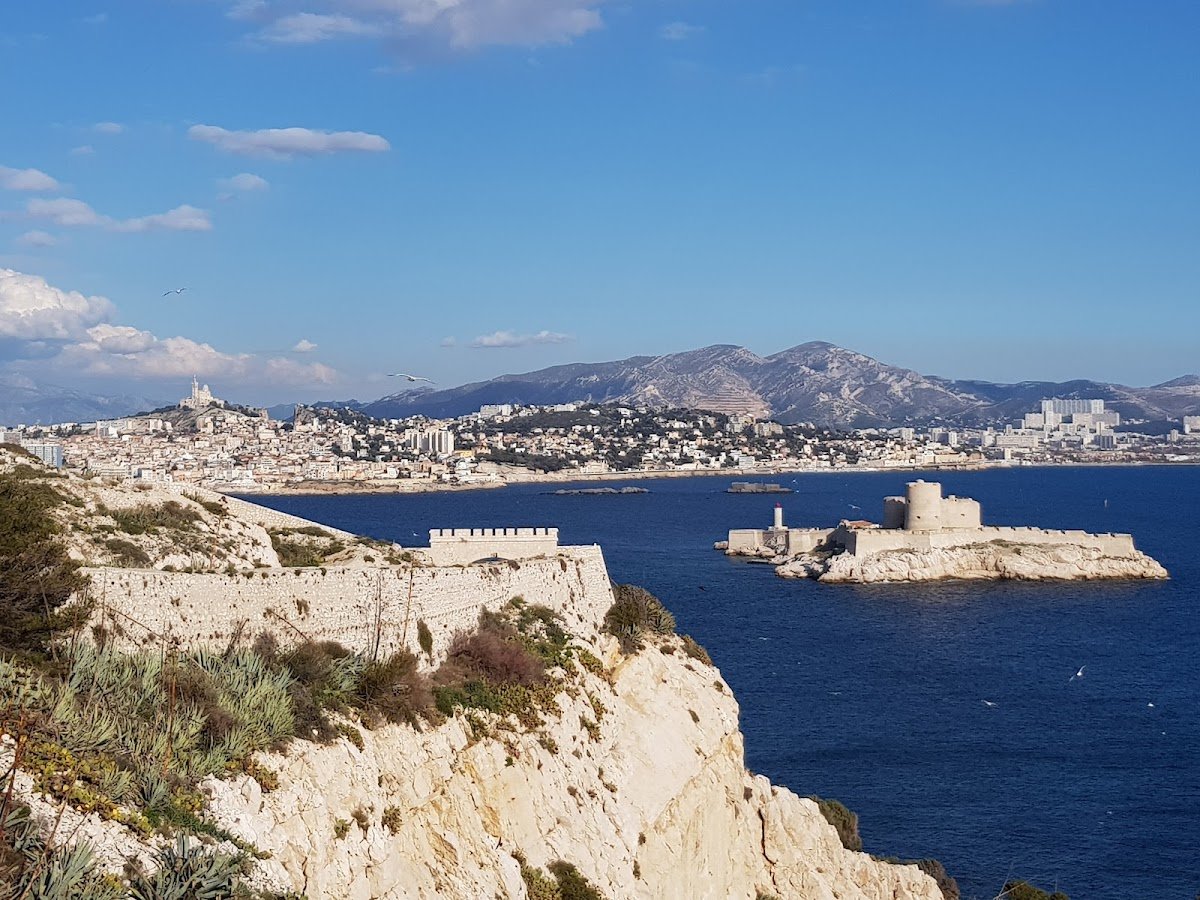
Rising from rugged cliffs and wind-shaped pines, Fort de Ratonneau crown an island just off the Mediterranean coast. This old fortress stands guard among the Frioul archipelago, drawing those who seek fresh sea air, long views, and curiosity about France’s layered history. Beyond its thick stone walls and battlements, relaxation and discovery blend—a rare break from city buzz just a short ferry ride away.

Visiting Info

Currency
Entrance fee
Free
Hours
Opening hours
Monday: Open 24 hours
Tuesday: Open 24 hours
Wednesday: Open 24 hours
Thursday: Open 24 hours
Friday: Open 24 hours
Saturday: Open 24 hours
Sunday: Open 24 hours

Contact Information

Location
Address
Île Ratonneau, 13007 Marseille, France

Planning your visit

Practical thinking sets the best course for any trip to Fort de Ratonneau. Scheduled boats shuttle visitors across sparkling waters from Marseille’s Old Port, but careful timing can mean the difference between peaceful exploration and dodging busy tour groups. The fort and island remain untamed in places: sandy tracks wind over rock, while facilities are spare. For those ready to combine salt-kissed breezes, gentle hiking, and local history, good planning smooths the way.

  • Best time to visit: Late spring or early autumn offer comfortable weather and fewer crowds. Weekday mornings provide the quietest experience.
  • How to get there: Take a regular ferry from Marseille’s Old Port to the Frioul Islands. Plan for about 20-30 minutes on the boat.
  • Accessibility: The historic fort includes uneven paths and steep steps, so strong walking shoes are smart. Strollers and wheelchairs may have trouble on rough ground.
  • Average visit duration: Allow about 2-4 hours to enjoy the fort and wider island at a relaxed pace.
Must see stuff

Many arrive at Fort de Ratonneau searching for its grand sea views. Yet, the journey through weathered gates reveals much more: small details in the architecture, echoes of past garrisons, and surprising pockets of wildflowers crowding the sun-cracked walls. Explorers who take their time uncover WWII bunkers, unexpected art installations, and picnic spots where locals linger away from the crowds.

  • Key sights or features: The main ramparts and lookout towers, old barracks, hidden tunnels, and the preserved gun emplacements.
  • Unique experiences: Watch a blazing sunset from the western wall, see local art projects in abandoned casemates, or join a guided walk tracing military history.
  • Photo-worthy locations: Panoramic views over Marseille and the turquoise coves, crumbling stone archways, and lone pine trees shaped by the mistral wind.
  • Cultural or historical facts: Built in the 19th century to protect Marseille from sea attacks, the fort also sheltered troops during the world wars and now offers glimpses into France’s island defenses.

Tips for your visit

To enjoy Fort de Ratonneau fully, a few smart strategies can make a good visit great. Sun and wind come strong, and services are basic by design, leaving space for quiet moments and unhurried walks. For those who remember water and camera, the rewards are rich. A spirit of respect for landscape and shared space helps both visitors and locals set the easy pace this island works best at.

  • Best times to avoid crowds: Visit early in the day or outside school holiday periods for quieter paths and better photos.
  • What to bring: Water, snacks, sunscreen, a sunhat, sturdy walking shoes, and a camera or phone for photos.
  • Local etiquette or rules: Respect protected sites and avoid picking local wildflowers. Use bins or carry out garbage; there are few waste facilities on the island.
  • Safety or comfort advice: Cell service can be patchy. Stick to marked trails and watch children on high walls or abrupt cliff edges. Bathrooms are limited, so plan accordingly.

Similar Attractions