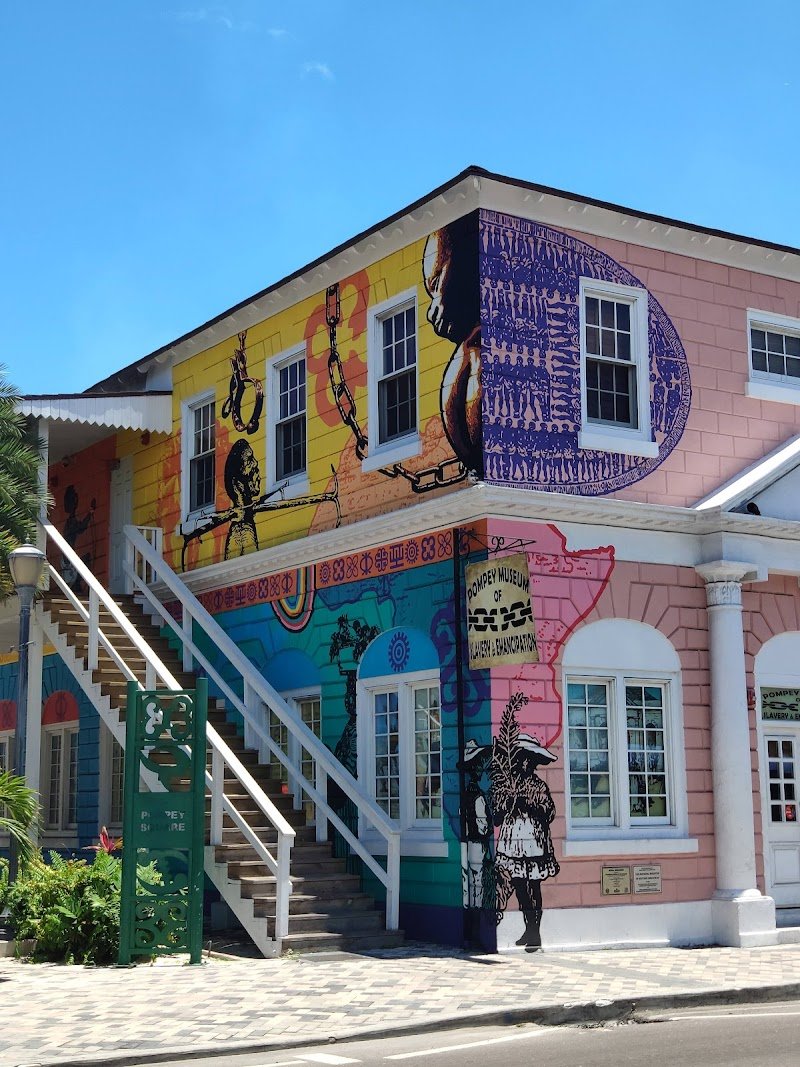
Google Places photo

Pompey Museum

Nassau, The Bahamas
i

Google Places photo

Photo by Gisella Villalba

In the heart of Nassau’s bustling Bay Street, colorful buildings tell stories both bright and dark. Among them, the Pompey Museum stands as a central point for those seeking to understand Bahamian heritage. With every step through its red-shuttered doors, travelers connect with a deep, sometimes painful, but always powerful sense of place and history. The Pompey Museum is not just another stop on a sightseeing route. It offers an immersion—a way for visitors to witness how past struggles and triumphs continue to shape modern Bahamian life.

Visiting Info

Currency
Entrance fee
6 BSD
Hours
Opening hours
Monday: 9:30 AM – 4:30 PM
Tuesday: 9:30 AM – 4:30 PM
Wednesday: 9:30 AM – 4:30 PM
Thursday: 9:30 AM – 1:00 PM
Friday: 9:30 AM – 4:30 PM
Saturday: 9:30 AM – 4:30 PM
Sunday: Closed

Contact Information

Location
Address
2 Bay St, Nassau, The Bahamas

Planning your visit

For visitors looking to explore the story of freedom in The Bahamas, the Pompey Museum delivers both insight and atmosphere. Given its location on the often busy Bay Street, planning ahead helps. The museum sits within walking distance from the main cruise terminal—among souvenir stalls and the aroma of conch fritters wafting from nearby cafés. Tickets, usually available at the entrance, cost just a few Bahamian dollars. Visit mid-morning on weekdays for a quieter experience; cruise ship arrivals often crowd late afternoons. Though a historic site, recent renovations have improved accessibility. Here’s how to make the most of the visit:

  • Best time to visit: Early weekday mornings (especially outside of major cruise arrival days) offer a more peaceful atmosphere.
  • How to get there: The museum is within easy walking distance of downtown Nassau and the cruise port; taxis and local jitneys (buses) are widely available.
  • Accessibility: Ground floor exhibits are generally accessible for strollers and wheelchairs; upper floors may have limited access.
  • Average visit duration: 45 minutes to 1.5 hours allows time to see all exhibits at a relaxed pace.

Must see stuff

Though small in size, the Pompey Museum packs generations of Bahamian memory into every curated room. Located in the historic Vendue House (an 18th-century marketplace), the museum focuses on slavery, emancipation, and cultural identity. For those interested in local stories and tangible history, several areas truly stand out:

  • Painstaking exhibits: Detailed displays highlight the lives of enslaved Bahamians and the history of the Pompey slave rebellion—a major event in the islands’ path to freedom.
  • The auction block: Stand in the original auction space, one of the few remaining in the Caribbean, and reflect on the difficult history.
  • Rotating art and photo shows: Local artists and youth projects often transform upstairs galleries with paintings, poems, and photos inspired by freedom and identity.
  • Courtyard reflections: The sunlit rear courtyard offers a quiet spot for pause and photographs, especially when the flaming bougainvillea blooms.
  • Guided history talks: Join museum guides or local storytellers for powerful narratives—sometimes in the voices of descendants of those whose stories line the walls.
  • Cultural fact: Named for Pompey of Exuma, a courageous slave who fought for the rights of his people in 1830, the museum honors Bahamian resilience through personal testimony and communal memory.

Tips for your visit

Simple preparations go a long way toward enjoying the Pompey Museum. The building is beautifully maintained but lacks air conditioning in some galleries, so dress for the tropical climate. While the stories are moving, young children may need guidance—some content is powerful and detailed. Photography is welcome, though flashes are discouraged. Before leaving, speak with the staff; their personal family histories often open up deeper understanding. And don’t skip neighboring local bakeries or shaded benches just outside for post-visit reflection.

  • Best times to avoid crowds: Arrive by 10 a.m. or after 3 p.m. for fewer groups.
  • What to bring: A refillable water bottle, comfortable shoes, and a camera or journal for notes. Fans for warmer days can be helpful.
  • Local etiquette: Speak respectfully in historic spaces and ask before taking close-up photos of guides or other guests.
  • Safety and comfort: Mind steps and uneven floors typical of heritage buildings; children should stay close in upstairs galleries.

Similar Attractions