Cours Saleya

Cours Saleya

Nice, France

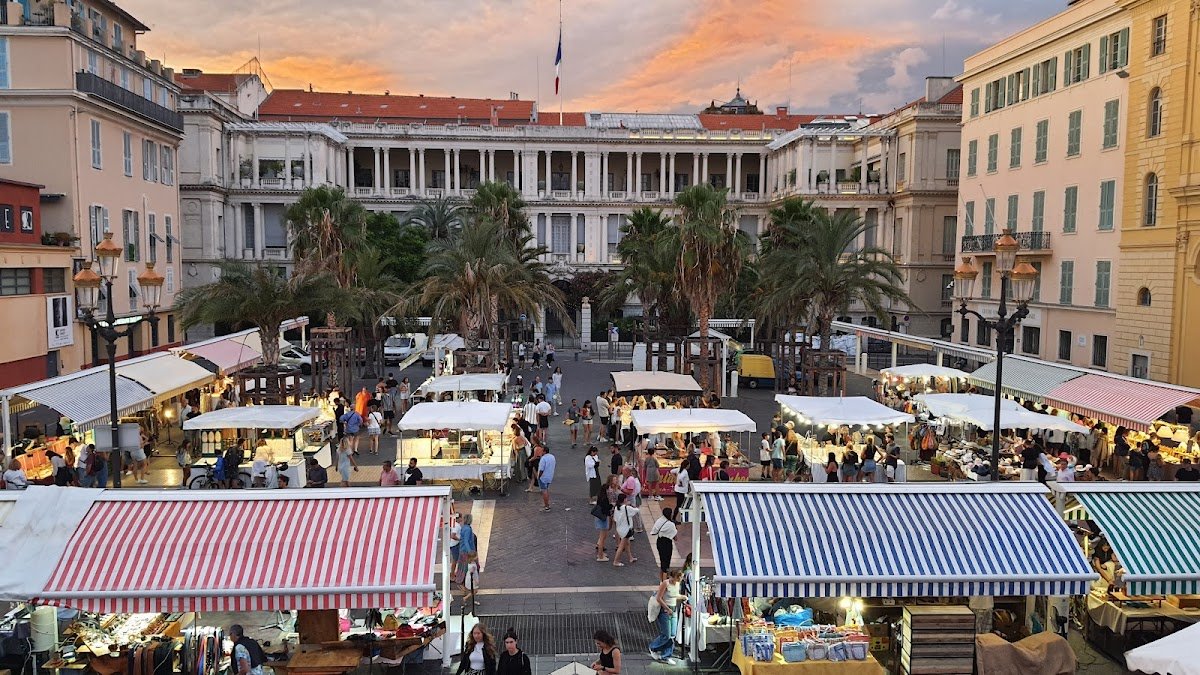
Warm sunlight tumbles through striped canopies as market chatter weaves among buckets of fresh flowers and stands heavy with lemons. Cours Saleya overflows with color, aroma, and sound, inviting travelers and locals alike to discover freshness, tradition, and a slice of everyday life in the heart of an old town.

Visiting Info

Currency
Entrance fee
Free

Contact Information

Location
Address
Cr Saleya, 06300 Nice, France

Planning your visit

Anticipation builds on the approach to Cours Saleya, where market stalls spring to life early and nothing feels rushed. Visiting this beloved pedestrian square benefits from a bit of planning: time your walk to catch the market buzz, factor in gentle mornings or calm evening strolls, and prepare for weather changes near the coast. Cours Saleya rarely requires tickets, but peak times can mean crowded walkways and long lines for produce or treats. Families, seniors, and wheelchair users find mostly smooth, flat surfaces, though the busiest corners ask for patience, especially when vendors and bands gather. For a taste of genuine local rhythm, linger beyond the displays and enjoy the daily lull and flair.

  • Best time to visit: Weekday mornings for the flower market; late afternoons for quieter cafés; avoid midday in peak summer.
  • How to get there: Walk from the main Promenade des Anglais, or take tram line 1 to Opéra-Vieille Ville stop, then a short stroll east. Nearby bike stations and paid parking are available, but street spaces fill up fast.
  • Accessibility: Mostly flat stones and no car traffic; strollers and wheelchairs navigate with ease, though crowds slow movement at busy times.
  • Average visit duration: Two to three hours allows time to browse stalls, stop for ice cream, and relax at a café.
Must see stuff

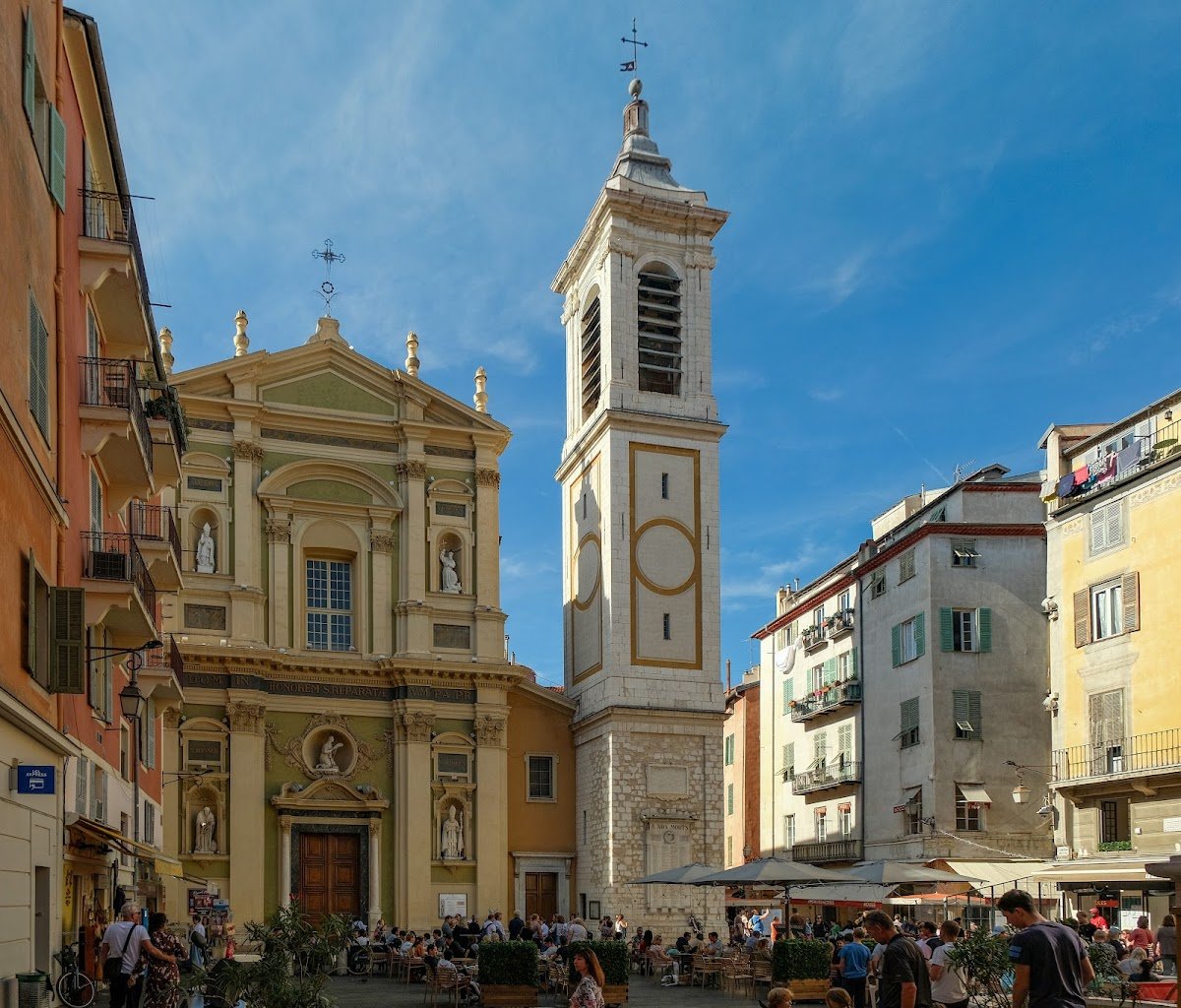
Visitors see Cours Saleya as a living postcard, but the best experiences go beyond pretty scenery. The best-known draw remains the daily morning market, where fruit-sellers, bakers, and local grandmothers greet each customer by name. Yet quieter gems hide beneath the bustle—shaded arcades where painters work, the corners where old men play cards, and the scent of socca, a chickpea flatbread, luring the curious. Flowers pile up in rainbow towers, and, on Mondays, the square replaces its produce with treasure-laden antiques. Around each corner, bits of history linger: 17th-century palazzi rise between faded shutters and soft pastel walls, and the arcaded walkways recall centuries of trade. Crisscrossing the whole space, artists and musicians spark new energy every week, pulling the past into the present.

  • Key sights or features: The Marché aux Fleurs (flower market), stunning fruit displays, and colorful old buildings with ornate iron balconies.
  • Unique experiences: Watching socca poured and baked fresh, sampling homemade tapenade, or haggling at the Monday antique market.
  • Photo-worthy locations: Market stalls against ochre facades, close-ups of flower arrangements, and sunset from Bar du Coin’s terrace.
  • Cultural or historical facts: Cours Saleya has hosted markets since the 18th century and was once the city’s main trading ground; Anna Sofia of Sardinia walked here, and the flower market is now protected as a French heritage site.

Tips for your visit

The real pleasure of Cours Saleya lies in slow exploration. Early visits guarantee vivid displays and easier movement through the crowds, especially on weekends. Staying hydrated matters, with refill fountains near the Palais de la Préfecture and lots of shaded areas under awnings, though summer afternoons can get uncomfortably warm. Flat sandals or sneakers beat dress shoes, since old stones can feel unforgiving after an hour. Locals nod to regular shoppers and prefer quiet chats at market stands, so a relaxed, patient attitude earns a smile. Rules are few but clear: keep dogs on a leash, look but do not touch displays without asking, and expect table service at the cafés. Be wary of pickpockets when the market is crowded, and never skip a taste of local candied fruit or a cold lemonade with mint.

  • Best times to avoid crowds: Arrive before 10 a.m. for easy browsing; late evening for relaxed dinners when market stalls pack up.
  • What to bring: Water bottle, sunhat or sunscreen, cash for small vendors, camera or smartphone.
  • Local etiquette: Greet vendors with a cheerful “Bonjour,” wait your turn, and ask before photographing people.
  • Safety or comfort advice: Keep an eye on bags, especially in busier seasons, and pace yourself when tasting rich local foods.