Renoir Museum

Renoir Museum

Nice, France
i

Renoir Museum

Photo by LS Sheldon

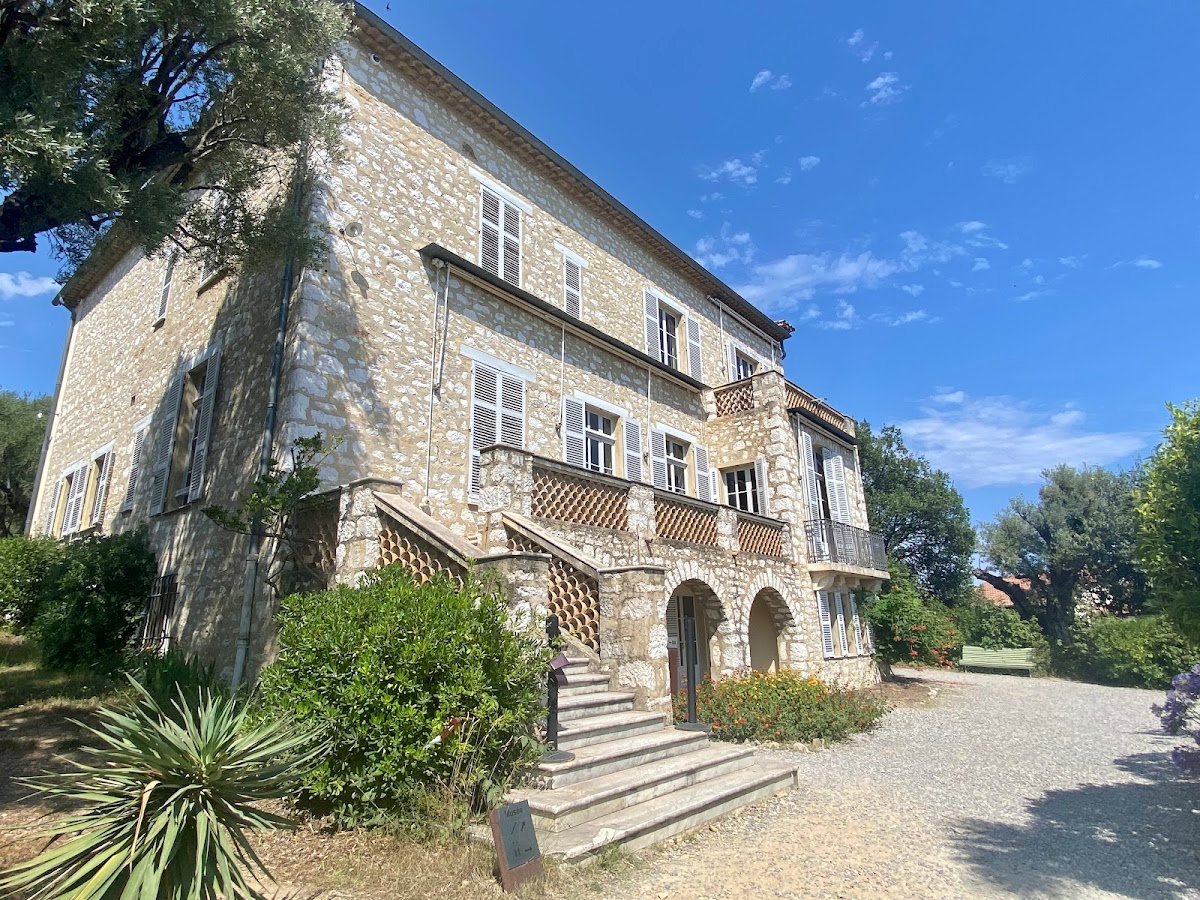
Set among ancient olive groves above the sparkling blue Mediterranean, the Renoir Museum in Cagnes-sur-Mer invites visitors into a quiet world where the echoes of one of France’s great Impressionist painters still linger. Once Auguste Renoir’s family home, this hilltop estate blends art, nature, and local history in a way that feels both vivid and very personal. While many art museums can seem formal or overwhelming, the Renoir Museum offers a more intimate connection with both the artist and the unique light that inspired his late masterpieces.

Visiting Info

Currency
Entrance fee
8 EUR
Hours
Opening hours
Monday: 10:00 AM – 1:00 PM, 2:00 – 6:00 PM
Tuesday: Closed
Wednesday: 10:00 AM – 1:00 PM, 2:00 – 6:00 PM
Thursday: 10:00 AM – 1:00 PM, 2:00 – 6:00 PM
Friday: 10:00 AM – 1:00 PM, 2:00 – 6:00 PM
Saturday: 10:00 AM – 1:00 PM, 2:00 – 6:00 PM
Sunday: 10:00 AM – 1:00 PM, 2:00 – 6:00 PM

Contact Information

Location
Address
Musée Renoir, 19 Chem. des Collettes, 06800 Cagnes-sur-Mer, France

Planning your visit

Thinking ahead can turn a trip to the Renoir Museum from a quick stop to a memorable experience. Although tucked away in the Haut-de-Cagnes hills, the museum is surprisingly easy to reach. Entry numbers are limited, which helps keep the setting quiet, but lines on weekends and in summer can still stretch out the wait. Tickets are often available at the door, but pre-booking during high season removes any worry.

  • Best time to visit: Late spring or early fall provides comfortable weather and thinner crowds. Mornings offer the softest light and a peaceful atmosphere.
  • How to get there: Take the SNCF local train to Cagnes-sur-Mer, then use Bus 49 or a short taxi ride up to the museum entrance. Adventurous walkers can follow signed paths weaving through old village lanes.
  • Accessibility: The main house is mostly accessible, but stone paths and some steps might be tricky for strollers or wheelchairs. Family-friendly restrooms and shaded benches are available on-site.
  • Average visit duration: Most guests spend about 90 minutes, though art lovers often linger for two hours or more.

Must see stuff

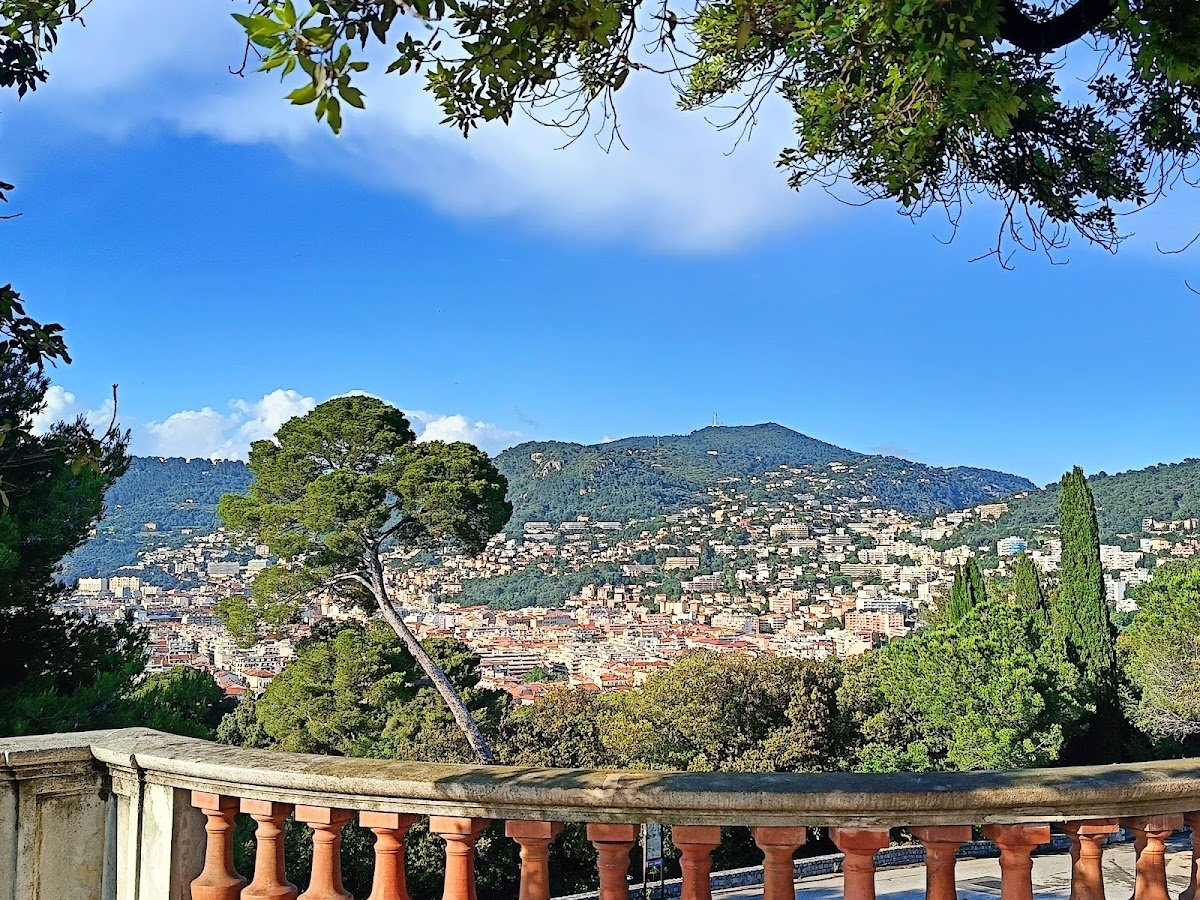
At the heart of the Renoir Museum stands the light-filled villa that once served as Renoir’s last home and studio. Inside, original furnishings and personal items remain, creating a sense of genuine connection. Framed by tall windows, views extend over olive trees and red-tiled rooftops, reminding visitors why so many artists have sought the sun-drenched landscapes of the South of France. Along with paintings and sculptures, the grounds themselves are a highlight, especially for those who appreciate peaceful gardens or sweeping coastal scenery.

  • Studio rooms: See where Renoir painted some of his most famous later works, complete with his wheelchair and brushes.
  • The garden: Wander through groves of ancient olive trees, now protected as a monument historique; spot Mediterranean herbs and seasonal flowers.
  • Original artworks: Admire several late-period Renoir paintings, along with sculptures and sketches rarely displayed elsewhere.
  • Panoramic terrace: Snap photos with the Baie des Anges and Antibes visible in the distance, especially at golden hour.
  • Historical displays: Discover family photos, letters, and period objects that reveal details of daily life during the early 1900s.

Tips for your visit

A few simple strategies can help ensure a smooth and enjoyable visit to the Renoir Museum. Since the setting is both historic and natural, visitors should come prepared for sun, uneven walking paths, and the slower pace of southern France. Embracing these elements helps travelers discover little moments of magic—such as catching the scent of thyme or hearing the distant toll of a village bell—between the art and the views.

  • Best times to avoid crowds: Arriving early on weekdays or just after lunch usually means fewer visitors.
  • What to bring: Sun protection, a camera, and comfortable shoes for gravel paths; light layers in spring or fall can be helpful.
  • Local etiquette: Speak softly, especially inside the house; food and drink are not allowed in museum rooms, but picnic spots nearby offer a place for snacks.
  • Safety and comfort: The hilly site can be warm under the midday sun—hydration and hats are advised. Those with mobility needs should check access details before visiting.