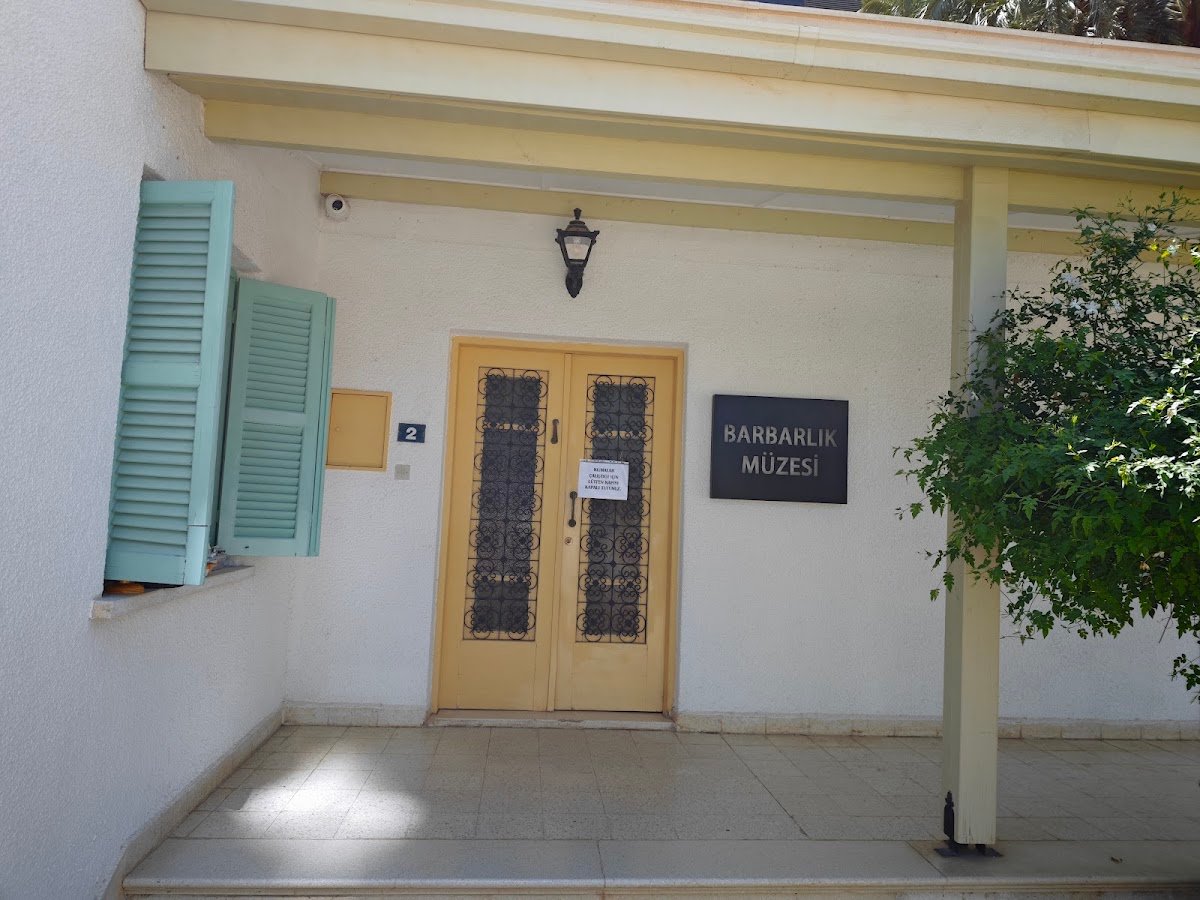
Museum of Barbarism

Museum of Barbarism

Nicosia, Cyprus
i

Museum of Barbarism

Photo by burhan aygün

Quiet streets carry heavy stories, and tucked among the modern homes and gardens of Nicosia, the Museum of Barbarism stands as one of Cyprus’s most sobering landmarks. Once an ordinary suburban house, this site has transformed into a reminder of the island’s divided past, offering an experience as moving as it is enlightening. For travelers drawn to places where history feels close enough to touch, few stops serve as powerful a lesson.

Visiting Info

Currency
Entrance fee
3 EUR
Hours
Opening hours
Monday: 8:30 AM – 3:00 PM
Tuesday: 8:30 AM – 3:00 PM
Wednesday: 8:30 AM – 3:00 PM
Thursday: 8:30 AM – 5:00 PM
Friday: 8:30 AM – 3:00 PM
Saturday: Closed
Sunday: Closed

Contact Information

Location
Address
Mehmet Akif Cd 118, Ortaköy 9901

Planning your visit

Travelers considering a trip to the Museum of Barbarism should set aside time for reflection and exploration. Reaching the museum is straightforward compared to other hidden corners of Nicosia, but arriving early often promises a quieter, more personal experience. Summers bring more visitors, so spring and late autumn allow for a calmer look at the museum’s exhibits. While reservations aren’t needed, checking holiday opening hours is advised.

  • Best time to visit: Mid-morning or late afternoon in spring or autumn
  • How to get there: Taxi, bus (Nicosia’s main station has connections), or an easy walk from central neighborhoods
  • Accessibility: The site is single-level but may pose challenges for strollers or wheelchairs due to narrow entryways
  • Average visit duration: 45 minutes to 1.5 hours

Must see stuff

The heart of the Museum of Barbarism lies in the details preserved from one of Cyprus’s most difficult periods. Bullet holes dot the walls, and somber exhibits explain the harrowing history. Each room shows not only the events of 1963 but also artifacts that speak to daily life interrupted by conflict. If history feels far away in textbooks, these rooms bring it heartbreakingly close. Fans of history will find the original family kitchen chilling, where much remains as it was decades ago, down to faded tiles and personal belongings left behind. Displays of documents and personal photographs add layers of depth, while the peaceful backyard provides a spot to quietly take in the weight of the site. Visitors with an interest in photography find striking scenes at every turn, especially in the softly lit interiors and shady garden.

  • Key sights: The preserved kitchen, bedrooms, and living room with original furnishings and damage
  • Unique experiences: Viewing untouched family objects and blood-stained decor—powerful, though challenging to see
  • Photo-worthy locations: The sunlit exterior and old garden; atmospheric, textured rooms inside
  • Cultural facts: The museum tells the story of the Kanli family and commemorates the tragic events of December 1963, with displays in both Turkish and English

Tips for your visit

To get the most from a trip to the Museum of Barbarism, a bit of planning goes a long way. The heavy subject matter means the site best suits adults and older teens. Bringing a sense of respect and readiness for a somber atmosphere allows for thoughtful engagement with the exhibits. Photography is allowed in most areas but check politely before snapping images. There are no shops or snacks on site, so visitors should bring water and perhaps prepare to stop afterward in a local café for a quiet coffee. The museum does not feature extensive signage—reading up on Cypriot history before visiting deepens the experience. While a short visit suffices for many, those who linger gain new insights with each room.

  • Best times to avoid crowds: Early mornings on weekdays
  • What to bring: Water bottle, camera (check rules), and sturdy walking shoes
  • Local etiquette: Quiet voices—this is a memorial, not a typical tourist attraction
  • Comfort advice: Prepare for emotional content and consider the site’s simple amenities