Museum of the National Struggle

National Struggle Museum

Nicosia, Cyprus
i

Museum of the National Struggle

Photo by Ioana Chirilă

Rising quietly along a sun-warmed block in north Nicosia, the National Struggle Museum holds centuries of pride and pain inside its traditional stone walls. The building itself blends with the city’s architectural past, but the museum’s displays are anything but forgotten. While modern Cyprus bustles outside, here visitors step into a space where history is not just remembered—it is honored and shared with deep intent.

Visiting Info

Currency
Entrance fee
3 EUR
Hours
Opening hours
Monday: 8:00 AM – 2:30 PM
Tuesday: 8:00 AM – 2:30 PM
Wednesday: 8:00 AM – 2:30 PM
Thursday: 8:00 AM – 2:30 PM
Friday: 8:00 AM – 2:30 PM
Saturday: Closed
Sunday: Closed

Contact Information

Location
Address
59F9+F65, Πλ. Αρχιεπισκόπου Κυπριανού, Nicosia, Lefkosia 1016, Cyprus

Planning your visit

To make the most of a visit to the National Struggle Museum, a little planning is worth the effort. Since the museum’s courtyard opens to fresh air, summer afternoons can feel overheated. Mornings and spring days tend to be more comfortable. Arriving by foot works well for anyone staying in the walled city, though taxis or local buses offer convenient options from almost anywhere in Nicosia. While the museum welcomes all, some areas inside offer tight corners and narrow staircases that may challenge visitors with mobility needs. Families with older children will find the exhibits accessible and engaging, but little ones might struggle with the heavier themes. Most people spend an hour exploring, though detail-oriented guests may linger longer.

  • Best time to visit: Morning hours, especially in spring or fall
  • How to get there: Walk from central Nicosia, taxi, or use local bus routes
  • Accessibility: Some steps and narrow halls; not fully wheelchair accessible
  • Average visit duration: 1 to 1.5 hours

Must see stuff

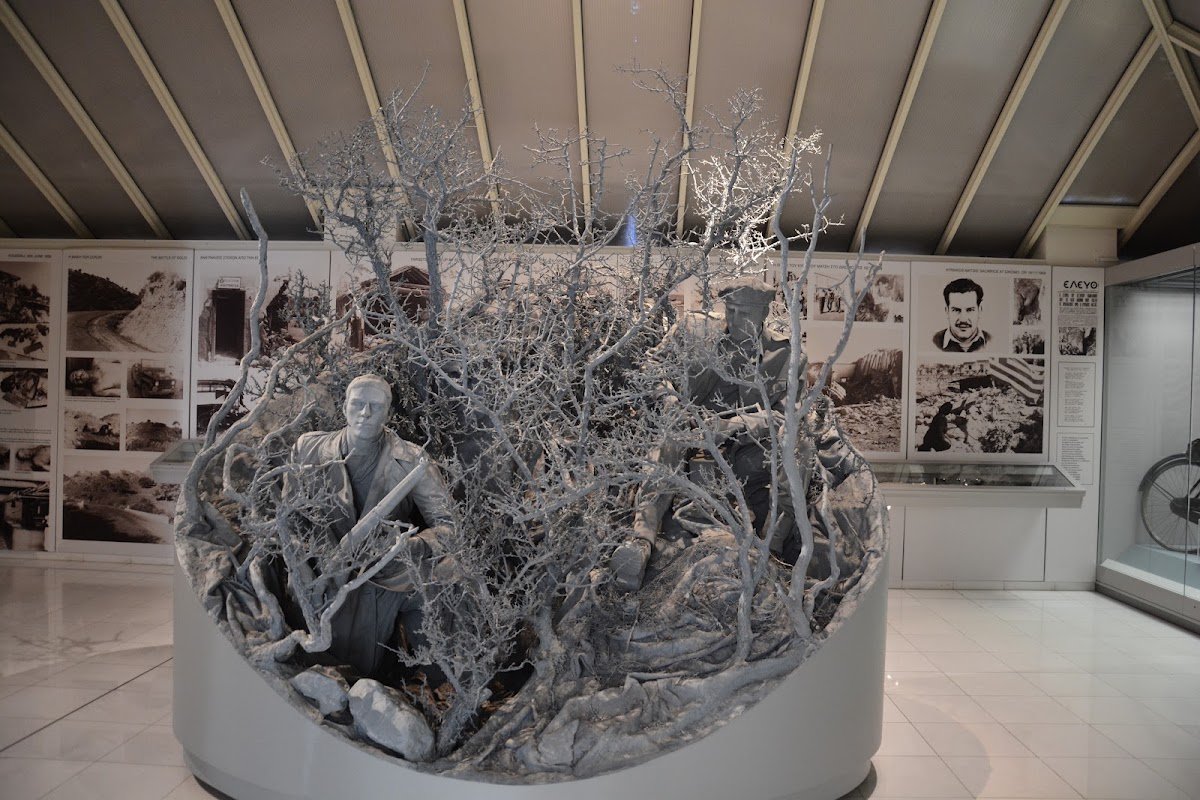
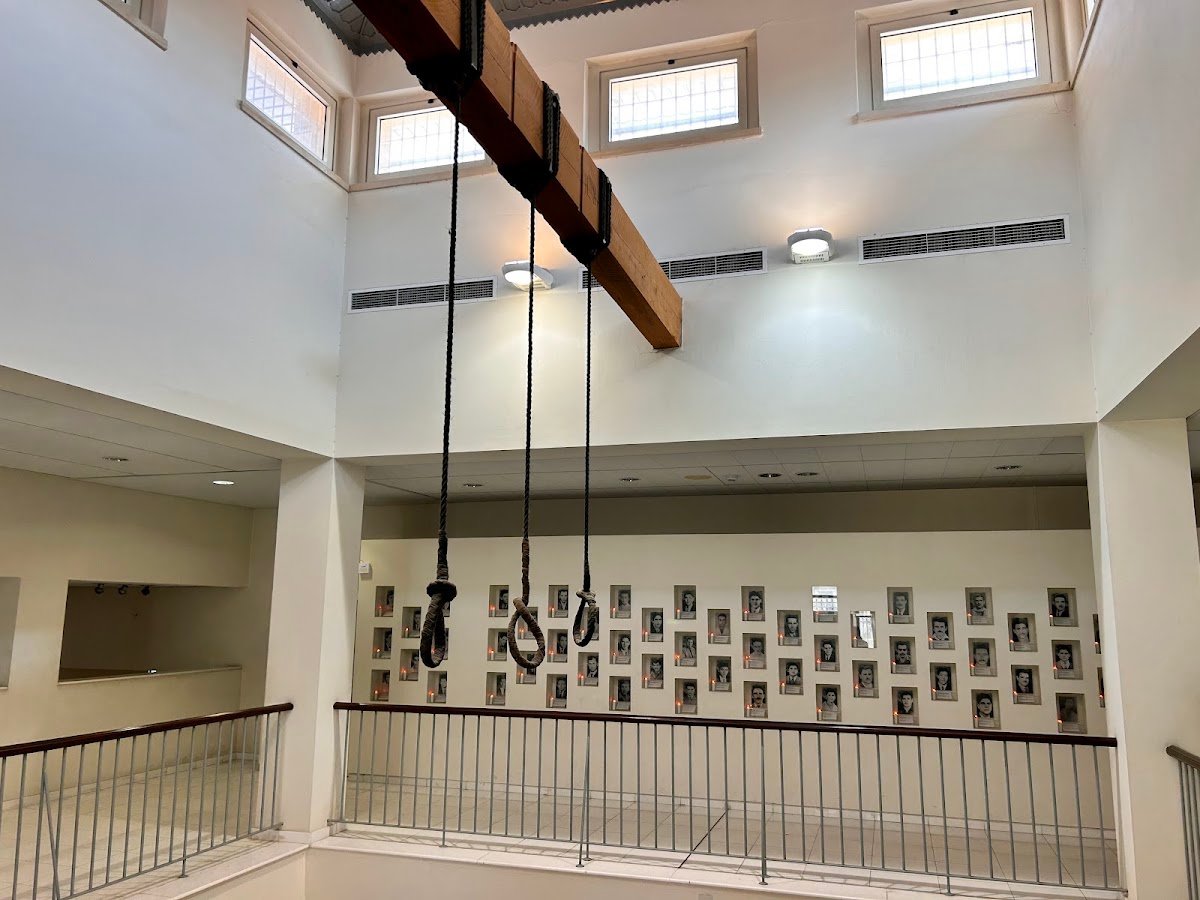
Inside the National Struggle Museum, history unfolds in tangible ways. The rooms show the struggle for Cypriot independence in photographs, uniforms, letters, and everyday objects from former fighters. Careful curation preserves not only heroism but also uncertainty—whole walls are dedicated to those who disappeared. Some spaces feel reverent, with flags, period newspapers, and handwritten notes that bring the 1950s and early 1960s back to life. Visitors often gather near unique exhibits, like the recreated underground hideouts and the moving memorial boards. Several nooks display rare archives open only by request, and the shaded courtyard offers a brief escape to reflect or take photographs.

  • Key sights: Political banners, personal mementos, and detailed timelines tracing the liberation movement
  • Unique experiences: Viewing the underground bunker exhibit and reading real prison letters
  • Photo-worthy locations: The shaded courtyard, front archway, and flag-filled main hall
  • Cultural facts: Stories focus not just on battles but also on everyday Cypriots, including school students involved in the struggle

Tips for your visit

Arriving early provides more time to absorb the history without crowding in narrow corridors. The museum remains calm during weekdays right after opening, when local school groups have not yet arrived. Carrying bottled water helps, especially in summer or when spending extra minutes in the courtyard. Photo rules shift by room; staff clearly point out areas where photos are allowed, so always ask before snapping. Respectful quiet is observed—locals treat the museum as both a memorial and historical center.

  • Best times to avoid crowds: Weekday mornings and just after lunch
  • What to bring: Refillable water bottle, camera, comfortable shoes for uneven floors
  • Local etiquette: Speak quietly and dress modestly as a sign of respect
  • Safety or comfort advice: Expect some steep stairs; watch for uneven steps and bring sun protection for the courtyard