The House of Hadjigeorgakis Kornesios - Ethnological Museum
Google Places photo

The House of Hadjigeorgakis Kornesios - Ethnological Museum

Nicosia, Cyprus
i

The House of Hadjigeorgakis Kornesios - Ethnological Museum

Photo by cichon reisen

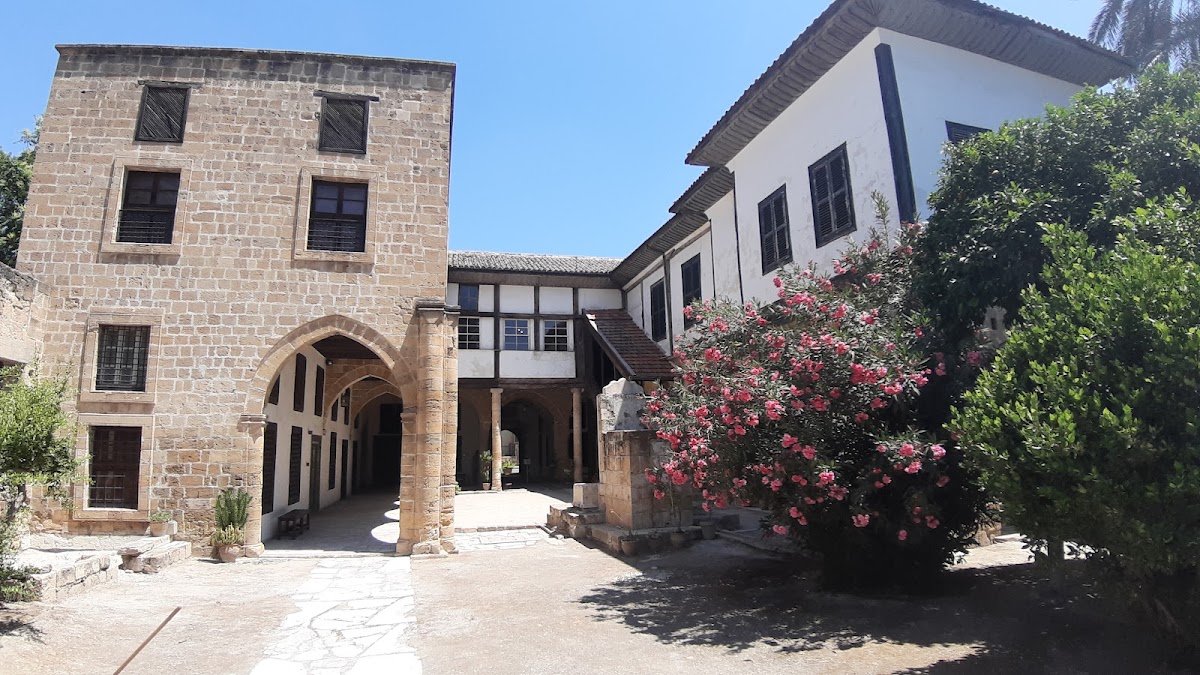
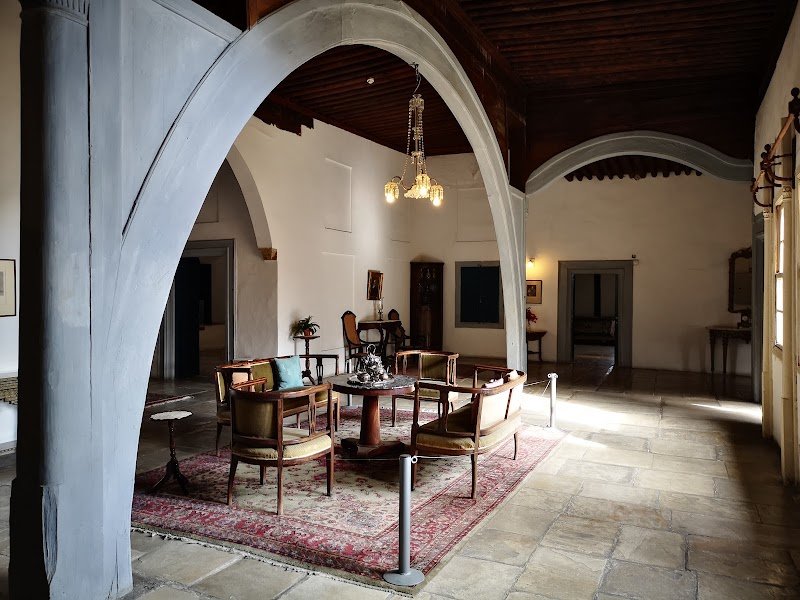
On a quiet, cobbled street in old Nicosia stands The House of Hadjigeorgakis Kornesios, a well-preserved mansion that opens windows into Cyprus’s Ottoman past. Far from an ordinary museum, this elegant 18th-century residence offers visitors a chance to wander through ornate halls, sunlit courtyards, and centuries-old secrets. Within high stone walls, local customs linger, embroidered into rich silks and woodcarved doors. Every room hints at the powerful Dragoman who once called the house his home, and at the layered story of Cypriot identity that still echoes throughout its rooms.

Visiting Info

Currency
Entrance fee
2 EUR
Hours
Opening hours
Monday: Closed
Tuesday: 8:30 AM – 3:30 PM
Wednesday: 8:30 AM – 3:30 PM
Thursday: 8:30 AM – 3:30 PM
Friday: 8:30 AM – 3:30 PM
Saturday: 9:30 AM – 4:30 PM
Sunday: Closed

Contact Information

Location
Address
Patriarchou Grigoriou 20, Nicosia, Lefkosia 1015, Cyprus

Planning Your Visit

Before stepping beneath the mansion’s tiled archways, a little planning goes a long way. The House of Hadjigeorgakis Kornesios sits in the heart of Nicosia’s walled city, making it easy to reach from nearby hotels or popular shopping spots. Compared to major tourist attractions, the museum draws mostly history lovers and school groups. On quiet mornings, blue and white tiles glint in peace; in the busy season, tour groups bring bursts of chatter to its hushed salons. Tickets are rarely sold out, but arriving early helps with capturing photos and stories undisturbed.

  • Best time to visit: Weekday mornings, especially late spring and early autumn for cooler weather and thin crowds.
  • How to get there: Walk from central Ledra Street, take a short taxi ride, or use local buses that stop near the Archbishopric area. Street parking is limited, so walking is recommended.
  • Accessibility: Some upper rooms may present challenges for wheelchairs or strollers due to original staircases; ground floor and courtyard are more accessible for all ages.
  • Average visit duration: 45 minutes to 1.5 hours, depending on interest in displays and guided tours.

Must See Stuff

Beyond the grand wooden entrance, highlights unfurl with every turn. Frescoed ceilings, hanging lanterns, and intricate carving set the scene, but the true treasures are sometimes small: a silver pipe, a wedding dress, or a hidden alcove for private prayer. For those hunting stories as well as snapshots, local guides bring the daily life of old Nicosia ever closer, weaving facts with legend. Gallery rooms change with the seasons, featuring anything from folk embroidery to portraits of past residents. At the heart of the house, lemon trees shade a quiet courtyard—a favorite spot for a cool pause or reflective photo.

  • Key sights: Beautiful selamlik (reception hall), hammam (private bathhouse), andari (ladies’ quarters), and expertly restored frescoes.
  • Unique experiences: Take a guided house tour, listen for the Ottoman water system at work, or spot the secret compartments in antique chests.
  • Photo-worthy spots: Main wooden staircase, colored windows overlooking the garden, and the mosaic courtyard with its tiled fountain.
  • Cultural facts: The Dragoman’s role was vital—serving as interpreter and mediator between Cypriots and Ottoman rulers. The house reflects both the family’s prestige and the multicultural past of Cyprus.

Tips for Your Visit

A smooth trip to Hadjigeorgakis Kornesios House begins with a little local knowledge. Weekends can get busy, as school or tourist groups fill the rooms in short bursts. While indoor spaces stay cool thanks to thick walls, Cyprus sun calls for light clothing and water. Shoes should be comfy for uneven flagstones and creaky stairs. Taking photos is allowed, but some displays request no flash—a small sign will let visitors know. If traveling with kids, time in the garden soothes restless legs. Staff are friendly but may have limited English, so a phrasebook or translation app helps with questions. Most agree: the calm and authentic air here lingers long after leaving.

  • Best times to avoid crowds: Early weekday mornings or late afternoons tend to be quietest.
  • What to bring: Camera, bottled water, sunhat, and shoes suited for walking on stones and stairs.
  • Local etiquette: Speak softly, as some rooms echo easily; follow signs about photography; respect roped-off areas.
  • Safety and comfort: Staircases are original and can be slippery; stay mindful with young children or seniors; courtyard offers shaded seating and a chance to rest.