Google Places photo

Historical Museum

Oslo, Norway
i

Google Places photo

Photo by Historical Museum

Strolling through the halls of the Historical Museum in Oslo is like stepping into a vivid time capsule. Every exhibit connects visitors to stories from Norway’s complex past—sometimes dramatic, sometimes quietly beautiful, always fascinating. With Viking treasures, medieval gold, and rare artifacts from far-off cultures, the museum serves as both a classroom and a playground for the curious. It is not simply a building filled with old objects; it is a living record of how people lived, fought, traded, and dreamed across centuries.

Visiting Info

Currency
Entrance fee
120 NOK
Hours
Opening hours
Monday: Closed
Tuesday: 11:00 AM – 4:00 PM
Wednesday: 11:00 AM – 4:00 PM
Thursday: 11:00 AM – 8:00 PM
Friday: 11:00 AM – 4:00 PM
Saturday: 11:00 AM – 4:00 PM
Sunday: 11:00 AM – 4:00 PM

Contact Information

Location
Address
Frederiks gate 2, 0164 Oslo, Norway

Planning your visit

Good planning can turn a museum outing into a deeper experience. Located in the heart of Oslo, the Historical Museum is easy to reach from most neighborhoods and hotels. Arriving early or late in the day usually guarantees quieter galleries and more room to breathe. While summers see more local families and tourists, those willing to visit on a weekday morning find a gentler pace. Pre-booked tickets speed up entry, but don’t sweat if you buy on the spot—the lines move steadily, even on busy days. Wheelchair access is reliable, and most exhibits are friendly to families and older travelers, though a few stairs and older elevators require some patience. Expect to spend a few hours, especially if the weather tempts you to linger in the museum’s cozy café afterward.

  • Best time to visit: Weekday mornings, especially in spring or fall, offer a quieter atmosphere.
  • How to get there: Trams, buses, and the city T-bane all stop nearby; walking from Oslo Central Station takes about 15 minutes.
  • Accessibility: Ramps, elevators, and accessible restrooms accommodate most needs; strollers and wheelchairs fit comfortably in most spaces.
  • Average visit duration: Plan for 2–3 hours to see main highlights and rest in the café.

Must see stuff

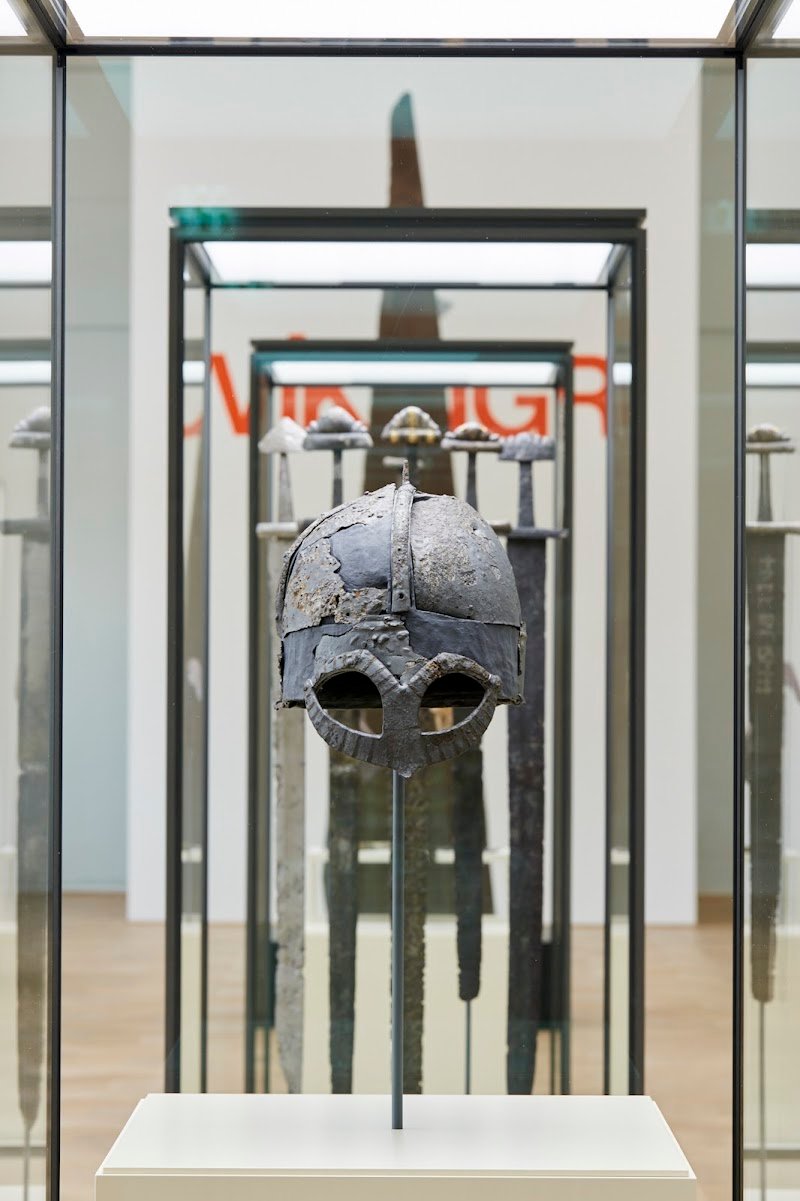
Every floor of the Historical Museum holds a new surprise—a Viking-age sword, glittering Celtic brooches, or a full-sized ancient Egyptian sarcophagus. Some rooms seem built for wonder, with treasures presented under soft, glowing lights. Displays cover Norway’s journey from Stone Age hunters through medieval royalty, but there is space here for world cultures, too. Visitors gather around sagas engraved on bronze, marvel at Arctic Sami tools, and whisper to each other under the spell of gold-laden Norse hoards.

  • Viking Exhibit: Famous for swords, jewelry, and everyday items once used by real Norse people.
  • Golden Treasury: Dazzling coins and jewelry from Norway's medieval days, all shimmering behind glass.
  • Egyptian Room: Home to real mummies, painted coffins, and amulets rarely seen outside Cairo.
  • Sami Collections: The Indigenous Sami culture comes alive through traditional dress, tools, drums, and storytelling corners.
  • Photo stops: The museum’s grand marble staircase and decorative doors make memorable backdrops for travelers and families alike.
  • Hidden gem: A quiet courtyard sometimes hosts free workshops or local music performances—ask at the desk.
  • Historical trivia: Some artifacts on display are among the oldest found in Northern Europe, changing the way Norwegians view their ancestors.

Tips for your visit

With a few adjustments, a day at the Historical Museum becomes richer and less stressful. Early risers reap the reward of nearly empty galleries, while late afternoons often mean shorter lines at the café. The gift shop, tucked near the entrance, stocks smart souvenirs for teachers or history lovers back home. Most docents appreciate thoughtful questions about their favorite exhibits, and don’t mind young visitors—within reason. Those with limited Norwegian do not need to worry; almost every sign comes with an English translation. Many exhibitions rotate, so a second visit can reveal new treasures. Take breaks where you find natural light—scattered window seats offer both a rest and a glimpse of Oslo’s roofs. And if the weather changes fast in Oslo fashion (as it sometimes does), the museum’s indoor coziness feels even sweeter.

  • Best times to avoid crowds: Tuesdays and Wednesdays after lunch usually feel the calmest.
  • What to bring: Comfortable shoes for walking, a refillable water bottle, and a charged phone or camera for photos.
  • Local etiquette: Eating and drinking should be kept to the café and lobby; avoid loud voices near school groups studying artifacts.
  • Safety and comfort: Some galleries can get chilly, so a light sweater helps. Bags get checked at the cloakroom for security and ease.
Historical Museum – Tickets, Hours & Visitor Guide