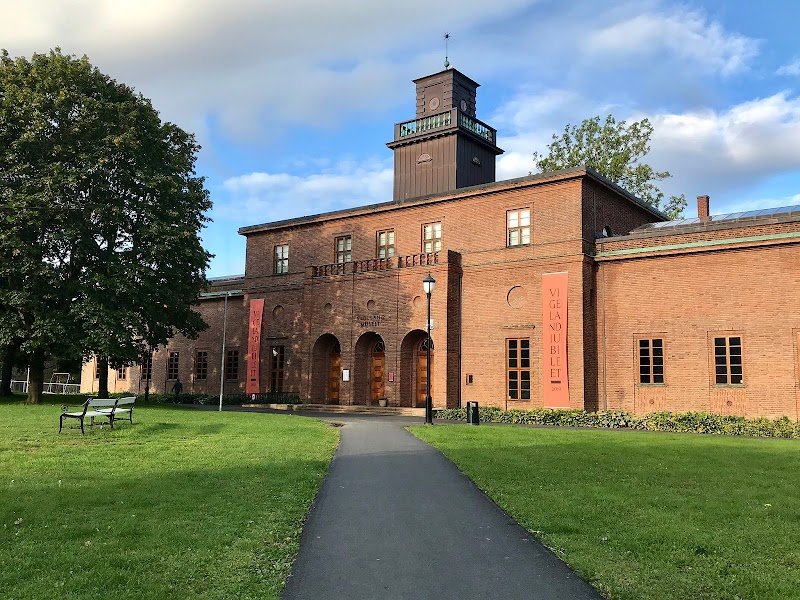
Google Places photo

The Vigeland Museum

Oslo, Norway
i

Google Places photo

Photo by Vigelandmuseet

Within quiet stone walls, the Vigeland Museum offers a window into the creative world of Gustav Vigeland, one of Norway’s most celebrated sculptors. Each gallery and corner carries the weight of decades, full of shapes and stories molded by the artist’s hands. This museum, less famous than the nearby sculpture park, rewards visitors with an up-close view of the intensity and variety of Vigeland’s work. Whether seeking culture, inspiration, or just a memorable afternoon, travelers find surprises in the calm halls and sculpted courtyards of this special place.

Visiting Info

Currency
Entrance fee
180 NOK
Hours
Opening hours
Monday: Closed
Tuesday: 12:00 – 4:00 PM
Wednesday: 12:00 – 4:00 PM
Thursday: 12:00 – 4:00 PM
Friday: 12:00 – 4:00 PM
Saturday: 12:00 – 4:00 PM
Sunday: 12:00 – 4:00 PM

Contact Information

Location
Address
Nobels gate 32, 0268 Oslo, Norway

Planning your visit

Timing bears an impact at the Vigeland Museum. In spring and summer, soft natural light floods through high windows into quiet rooms, illuminating marble, bronze, and wood as crowds stay moderate. Winter’s shorter days bring a gentle hush, perfect for slow exploration, although some may find the walk through chilly Frogner Park brisk. This museum lies in the Frogner neighborhood, easily reached by Oslo’s trams or city buses. The entrance sits a short walk from the bustling gates of the Vigeland Sculpture Park, making it simple to combine both experiences in one day. Expect less foot traffic than at the park, but weekends and public holidays do attract families and art lovers. Tickets cost less than many other city museums, and staff at the entrance happily share tips to help visitors of all ages and abilities.

  • Best time to visit: Weekday mornings in spring or early autumn for natural light and quieter spaces.
  • How to get there: Take tram 12 (Majorstuen line) to the Vigelandsparken stop or bus 20/45 to Nobels gate; walking distance is about five minutes from major transit stops.
  • Accessibility: Most exhibitions are wheelchair accessible; ramps and elevators available. Benches for rest in main galleries.
  • Average visit duration: 1.5 to 2 hours, with extra time for temporary exhibits or relaxing in the courtyard.

Must see stuff

While the famous outdoor sculpture park allows for open-air wandering, the museum delivers an intimate look at Vigeland’s life, both as an artist and as a person. Visitors wind through rooms filled with full-scale models, sketches, and tiny studies, all designed for Oslo’s countless statues and monuments. These preserved studios bring viewers within inches of stone tools and outlines, offering insight into creative ideas and unfinished dreams. The highlight remains the great plaster hall, displaying dramatic life-sized casts intended for Frogner Park, each figure glowing in perfect museum light. Several tucked-away corners provide quieter surprises—like Vigeland’s original woodcarvings and medallions, and his private library stacked with worn, illustrated tomes.

  • Key sights or features: The plaster hall, Vigeland’s preserved studio, and the rotating exhibit on the second floor.
  • Unique experiences: Seasonal guided tours explaining how outdoor statues evolved from small sketches. Calm reading nook in Vigeland’s study with original books and personal items.
  • Photo-worthy locations: Central sculpture hall with vaulted ceiling, large windows for dramatic portraits, leafy courtyard in summer.
  • Cultural or historical facts: The museum building once housed Vigeland’s home and workshop, designed with the artist’s practical input. Many original casts and tools sit exactly as left by Vigeland after his death in 1943.

Tips for your visit

Smart planning helps every museum trip. Early arrivals almost always mean open galleries and undisturbed photo moments, while midsummer afternoons see groups coming in waves from neighboring parks. Backpack storage keeps exhibition rooms clear and relaxed. A reusable water bottle proves sensible after long hours among stone and plaster, as the museum cafeteria stays small and fills up quickly. Vigeland’s sculptures invite close inspection, but museum staff ask everyone—especially young art fans—to use eyes, not hands, in every gallery. Visitors traveling with children or strollers find smooth floors and easy ramp access, yet some narrow hallways in the oldest areas require patience. Above all, curiosity pays off here: pausing to read wall panels or attending a short lecture lets each room shine brighter, revealing quirky stories and real fragments of Oslo history.

  • Best times to avoid crowds: Arrive close to opening time or late afternoon, especially on weekdays and outside holiday periods.
  • What to bring: Water bottle, camera, notebook, and comfortable walking shoes. Light layers in winter—the museum’s internal climate is mild, but outdoor approach can be cold.
  • Local etiquette or rules: Quiet voices and no touching of sculptures, photography allowed in most areas except special exhibits, bags must be stored in provided lockers.
  • Safety or comfort advice: Follow signs to elevators or accessible entrances; ask staff for help with strollers or mobility aids. Take breaks on benches in the hallways or courtyard.
The Vigeland Museum – Tickets, Hours & Visitor Guide