Google Places photo

The Vigeland Park

Oslo, Norway
i

Google Places photo

Photo by Jose mari

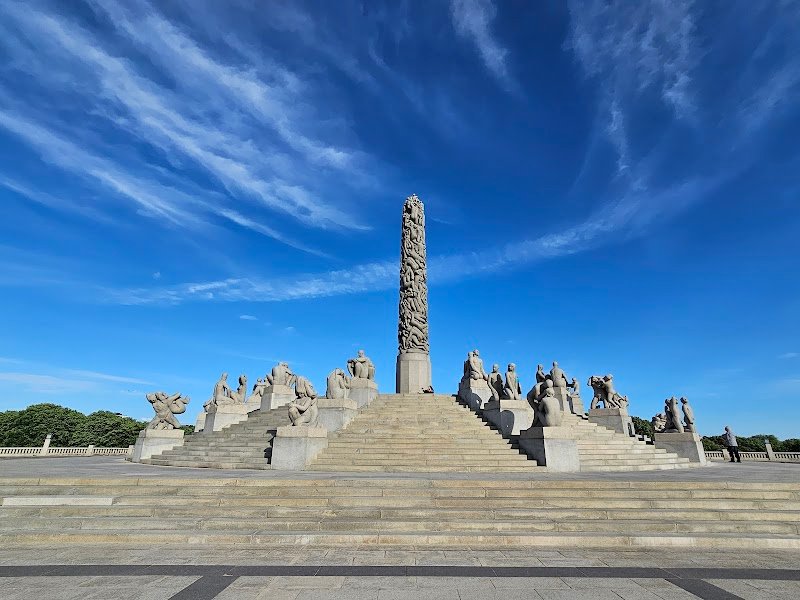
Visitors searching for a blend of artistry, outdoor beauty, and Scandinavian culture should not overlook Vigeland Park. This sprawling sculpture park brings thousands together each year to wander among hundreds of thought-provoking statues, wide avenues lined with trees, and grassy lawns perfect for a picnic. Both striking and utterly accessible, Vigeland Park offers a glimpse into Norway’s passion for public art and relaxed city living. Each path unveils something new, from monumental figures huddled in thought to gentle playgrounds and resident joggers weaving through granite guardians.

Visiting Info

Currency
Entrance fee
Free
Hours
Opening hours
Monday: Open 24 hours
Tuesday: Open 24 hours
Wednesday: Open 24 hours
Thursday: Open 24 hours
Friday: Open 24 hours
Saturday: Open 24 hours
Sunday: Open 24 hours

Contact Information

Location
Address
0268 Oslo, Norway

Planning your visit

Choosing when and how to visit Vigeland Park can shape the mood of the entire experience. Spread across more than 80 acres, the park remains open every day, year-round, with no entrance fee. Accessible by tram, bus, bike, or on foot from several Oslo neighborhoods, the park welcomes everyone, although summer months see the densest crowds. While the sculpture displays impress in any season, fresh snow or golden autumn leaves cast the figures in especially memorable light. Comfortable shoes help, since the park invites plenty of walking and lingering on benches to take in the vibrant scene.

  • Best time to visit: Mornings in late spring and early autumn have fewer crowds and dramatic light. Summers are lively but busier, while winter brings peaceful, stark scenes.
  • How to get there: Tram 12 stops at Vigelandsparken, buses connect from central Oslo, and there is paid parking nearby. Cycling from city center takes around 20 minutes.
  • Accessibility: Most paths are flat and paved, good for strollers and wheelchairs. Some small bridges and lawns have gentle slopes. Benches and restrooms are scattered throughout.
  • Average visit duration: Plan at least 2 to 3 hours to see main sights, enjoy a picnic, and explore less crowded corners.

Must see stuff

Few public places in Scandinavia rival the scale or ambition of Vigeland Park. The work of Gustav Vigeland draws both locals and visitors to marvel at over 200 sculptures, most carved in granite or cast in bronze. Each area has its own distinct feel. Grand, symmetrical bridges and circles invite people in and offer dramatic photo backdrops. During weekends, artists sketch. Children roam wild in open playgrounds. Even regular dog walkers pause for another look at the details hidden everywhere—a clenched hand, a playful leap, a windblown scarf. These highlights prove unmissable, yet wandering off the main route uncovers quieter spots for sketching, reading, or taking in the view.

  • Key sights or features: The Monolith, a spiraling column of intertwined bodies, towers over the park’s heart. The Bridge, lined on both sides with bronze statues of men, women, and children, sparks story-making for all ages. The Fountain, surrounded by mythical figures, becomes the park’s lively hub on sunny days.
  • Unique experiences: Early evening walks bring dramatic light along the central avenue. Guided art tours share legends and secrets of Vigeland’s work. At the far edge, a tucked-away rose garden blooms in summer, beloved by Oslo locals.
  • Photo-worthy locations: The Monolith Plateau at sunrise, the Bridge at sunset, and reflections in the fountain after rain. Smaller details, like the bronze "Angry Boy" statue, draw crowds for playful snapshots.
  • Cultural or historical facts: Gustav Vigeland both designed the sculptures and laid out the park from 1924-1943. Every statue—regardless of subject—explores themes of humanity, family, and connection across generations.

Tips for your visit

A little knowledge goes far at Vigeland Park. Timing matters, especially for those seeking a quiet walk or undisturbed photos. While the crowds add warmth, the park reveals more details early or late in the day. Since open lawns and sculptures catch wind, layers keep visitors comfortable from spring’s chill to high summer. Bringing a picnic or thermos of coffee—though simple—lets anyone linger like a local. Most playgrounds welcome all, but some statues ask for gentle handling, with signs urging respect for art and others’ enjoyment. While Oslo feels safe, keeping an eye on kids and belongings adds peace of mind, as in any busy place.

  • Best times to avoid crowds: Arrive just after dawn or near sunset on weekdays. Rainy days open up stillness and unique photo chances, provided you bring an umbrella.
  • What to bring: Walking shoes, a camera, snacks or a picnic, and layers for changing weather. In summer, sunscreen is a must.
  • Local etiquette or rules: Touching some statues—like the "Angry Boy"—is a quirky tradition, but climbing on artwork is discouraged. Keep noise to a minimum near the Monolith and rose garden.
  • Safety or comfort advice: Stay on marked paths during icy winter months, and watch out for cyclists near the main entrance. Public restrooms can be crowded on summer weekends, so plan ahead.
The Vigeland Park – Tickets, Hours & Visitor Guide