Google Places photo

Museo de Panamá Viejo

Panama City, Panama

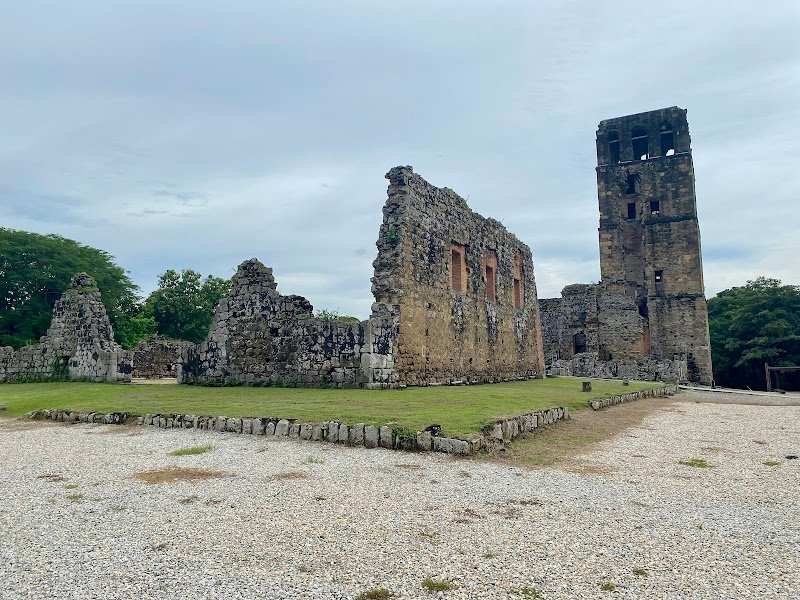
Rising above scattered ruins and lush greenery, Museo de Panamá Viejo links the ancient heart of Panamá with its present. Deep history lives in every brick, while modern stories unfold in the echoes of school groups and local families. For anyone curious about the roots of the Americas, this site—where Old Panama once stood—captures centuries within a handful of stone walls and curated exhibits. In a city shaped by contrasts, Museo de Panamá Viejo invites visitors to walk through time itself.

Visiting Info

Currency
Entrance fee
10 USD
Hours
Opening hours
Monday: Closed
Tuesday: 8:30 AM – 4:30 PM
Wednesday: 8:30 AM – 4:30 PM
Thursday: 8:30 AM – 4:30 PM
Friday: 8:30 AM – 4:30 PM
Saturday: 8:30 AM – 4:30 PM
Sunday: 8:30 AM – 4:30 PM

Contact Information

Location
Address
2G34+FJ7, Vía Cincuentenario, Panamá, Provincia de Panamá, Panama

Planning your visit

Exploring Museo de Panamá Viejo rewards both early planners and spontaneous explorers. This UNESCO-listed landmark, located in the eastern part of Panama City, attracts both international travelers and proud locals. Arriving on a weekday brings quieter pathways, especially in the soft light of the morning. Midday can bring school groups or visitors escaping the city’s busy malls, while weekends fill with neighborhood families. Walking shoes are a must—the site covers a fair amount of ground between modern galleries and roofless ruins. Tickets are available on-site, with discounts for residents. Museum staff are friendly and helpful, though lines for tickets can form on busy days. Expect heat and some uneven stone paths.

  • Best time to visit: Early mornings from December to April (dry season); weekdays to avoid crowds
  • How to get there: Quick taxi or rideshare from Panama City center; Metrobus line "Corredor Sur" stops nearby; free parking on site
  • Accessibility: Main museum areas are wheelchair-friendly; some ruins have uneven ground that may challenge strollers and wheelchairs
  • Average visit duration: 1.5–2.5 hours, longer if lingering among the ruins or participating in guided tours

Must see stuff

Museo de Panamá Viejo traces more than ruins; it reveals stories. The modern museum building, positioned near the entrance, houses artifacts, interactive models, and short films detailing the city’s founding, pirate attacks, and turbulent rebirths. Beyond glass cases, the real magic lies in exploring the open-air ruins. The stone cathedral tower summons explorers to climb its steps, while lichen-covered convents invite quiet moments of reflection. Not all visitors know that art installations and community festivals sometimes fill the courtyards with color and music, particularly around Panamanian holidays.

  • Key sights or features: The Cathedral Tower (Torre de la Catedral), Convent of the Jesuits, and original city gate
  • Unique experiences: Climbing the Cathedral Tower for bay views, joining a guided tour with local historians, or hearing howlers from the gallery lookout after rain
  • Photo-worthy locations: Steps inside the Cathedral Tower, the old city walls at sunset, and shaded archways covered with vines
  • Cultural or historical facts: Museo de Panamá Viejo sits where the first European city on the Pacific coast of the Americas rose and fell—sacked by pirate Henry Morgan in 1671

Tips for your visit

Some small details make a trip to Museo de Panamá Viejo smoother and more memorable. Panamanian sun can feel harsh in the open spaces, so water and hats are essential. Spanish is the main language for signage and staff, yet major information panels and brochures appear in English. Credit cards are usually accepted for tickets and in the museum shop but bring some cash for snacks from local vendors at the entrance. Walking shoes are key—gravel, stairs, and grass all wait beyond the air-conditioned galleries. Respect the ruins: climbing or picnicking on fragile walls is not allowed, and large tour groups often yield right of way to lone explorers in tight passages.

  • Best times to avoid crowds: Visit on weekday mornings, especially outside school holidays
  • What to bring: Water, sunscreen, hat, sturdy walking shoes, camera or phone
  • Local etiquette: Do not climb or sit on delicate ruins; maintain low voices in indoor galleries
  • Safety or comfort advice: Watch for uneven stones and steps; bring rain protection during wet season