Google Places photo

Old Panama

Panama City, Panama
i

Google Places photo

Photo by Mon Klas

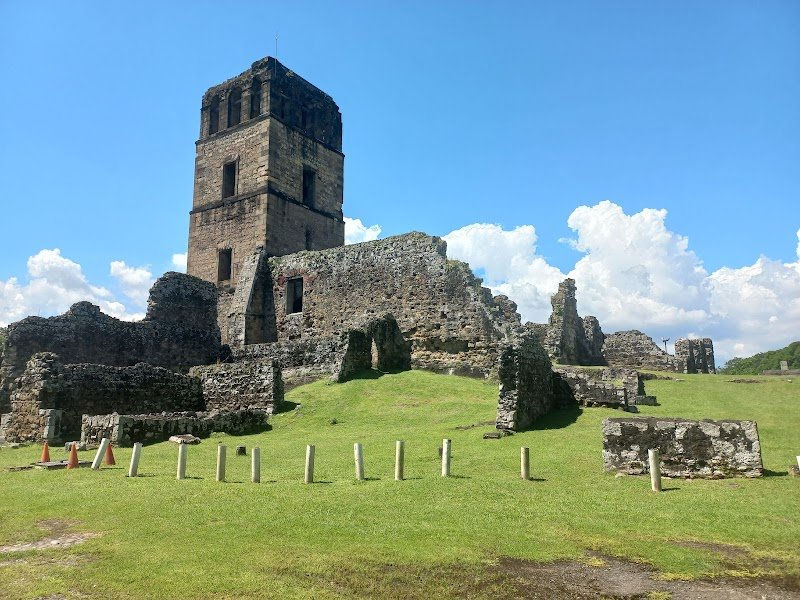
Cradled on the edge of the Pacific, the ruins of Old Panama—locally called Panamá Viejo—offer a window into the layered soul of Central America. Spanish stones, timeworn but dignified, stand where conquistadors and pirates once crossed paths. Here, mossy arches frame city views and tropical breezes wander through 500-year-old church columns. For every crumbling monastery, a story waits; for every palm-shaded plaza, echoes of the bustling trade that shaped an empire linger. Old Panama doesn’t just recall Panama City’s beginnings—it reveals them, brick by brick.

Visiting Info

Currency
Entrance fee
10 USD
Hours
Opening hours
Monday: Closed
Tuesday: 8:30 AM – 4:30 PM
Wednesday: 8:30 AM – 4:30 PM
Thursday: 8:30 AM – 4:30 PM
Friday: 8:30 AM – 4:30 PM
Saturday: 8:30 AM – 4:30 PM
Sunday: 8:30 AM – 4:30 PM

Contact Information

Location
Address
2G47+MW9, Vía Cincuentenario, Panamá, Provincia de Panamá, Panama

Planning your visit

Exploring Old Panama works best with a sprinkle of preparation. Tropical sun, busy weekends, and a vast site call for comfortable timing and smart logistics. The historic ruins lie just a short ride from modern downtown Panama City, yet visiting early or late can make all the difference. Travelers often find fewer crowds and softer light in the morning. The site charges a modest entrance fee, which includes well-kept walking paths and access to the museum. For families or travelers using wheelchairs, wide avenues and shaded benches offer needed respite, though some uneven ground remains near the oldest structures. Save a few hours—Old Panama rewards slow wandering and lingered looks.

  • Best time to visit: Dry season (December–April); mornings or late afternoons for cooler temperatures
  • How to get there: Taxi or ride-share from downtown Panama City (15–20 minutes); local buses available; free on-site parking
  • Accessibility: Good for families, strollers, and some wheelchair users; expect some uneven ground near ruins
  • Average visit duration: 2–3 hours for main sites; longer with museum stops or guided tours
Must see stuff

Every path in Old Panama leads to a landmark with a story. Rising above the palm-lined grounds, the bell tower of the old cathedral beckons climbers with 360-degree city-and-sea views. Close by, the Plaza Mayor once cheered colonial celebrations; today, sunlight warms the amphitheater steps where vendors sell ice-cold sodas. The centuries-old Casa del Obispo’s shaded archways invite quiet, while newer exhibits share Indigenous and Afro-Panamanian histories. Out of the spotlight but equally rewarding, a cluster of restored homes in the northeast corner now hosts skilled weavers and local ceramicists—handmade souvenirs, not mass-market trinkets. Wander farther for rust-stained stone walls, where murals hint at the great fire and Henry Morgan’s infamous raid. Bring a camera: sunlight slanting through the old convent windows creates striking shadows, and iguanas often pose on sun-baked steps.

  • Key sights: Cathedral bell tower, Plaza Mayor, Convento de San José, Casa del Obispo, archaeological park
  • Unique experiences: Climb the tower for panoramic photos; watch artisan demonstrations in restored homes; spot wildlife among the ruins
  • Photo-worthy locations: Old cathedral steps at sunrise, cloister arches, panoramic tower views, street murals
  • Cultural or historical facts: Founded in 1519, sacked by pirate Henry Morgan in 1671; site blends Spanish, Indigenous, and Afro-Caribbean histories

Tips for your visit

Easy-going explorers get more from Panama Viejo with a few smart choices. Early risers avoid the strongest sun and catch peace before tour groups arrive. Wide hats and refillable water bottles are smart—shade is patchy, and tropical afternoons can sap energy fast. Sensible sandals or sneakers will conquer rough patches near crumbled walls. While photos are encouraged nearly everywhere, some artisan stalls request “no pictures.” Respect quiet zones, especially by the cemetery and small chapel. Theft and scams rarely trouble the area, but keep wallets close and ignore anyone selling unofficial tickets near the gates. While bathrooms and snacks sit near the main museum entrance, nearby neighborhoods have fewer options—snack before or plan lunch back in the city. Even with a few bumpy patches and the occasional mosquito, most leave with memories worth much more than the entrance fee.

  • Best times to avoid crowds: Arrive before 10 a.m. on weekdays; Monday mornings especially quiet
  • What to bring: Water bottle, camera, sunblock, hat, sturdy shoes
  • Local etiquette: Quiet voices in chapel and cemetery areas; ask before taking pictures of crafts or artisans
  • Safety or comfort advice: Stay on marked paths, watch for uneven stones, and bring bug spray in wet season