Google Places photo

Punta Culebra Nature Center

Panama City, Panama
i

Google Places photo

Photo by Marjorie Ayala

For visitors eager to trade Panama City's modern skyline for raw, living nature, Punta Culebra Nature Center offers a gateway. Nestled on a small peninsula jutting into the Pacific, this open-air science center peels back the rainforest's edge, inviting guests to get close—sometimes very close—to Panama's dazzling wild side. Giant iguanas sun themselves on pathways. Sloths nap in trees overhead. The ocean thunders a few meters away. Here, discovery happens at a child's eye level, but adults find just as much to marvel at.

Visiting Info

Currency
Entrance fee
8 USD
Hours
Opening hours
Monday: Closed
Tuesday: Closed
Wednesday: 1:00 – 4:00 PM
Thursday: 1:00 – 4:00 PM
Friday: 1:00 – 4:00 PM
Saturday: 9:00 AM – 4:00 PM
Sunday: 9:00 AM – 4:00 PM

Contact Information

Location
Address
Calz. de Amador, Panamá, Panama

Planning your visit

Visiting Punta Culebra Nature Center requires some advance thought but rewards any level of traveler. Located on Amador Causeway, it's a short drive from Casco Viejo and central Panama City, yet feels miles from the city’s usual tempo. The center is operated by the Smithsonian Tropical Research Institute, so tickets funnel into conservation. Weekends bring more families and local school trips, but quieter mornings make for a peaceful retreat. Be ready for tropical humidity and brief, sudden rains—especially during the wet season, which stretches from May through November.

  • Best time to visit: Dry season (mid-December to April) in the morning, when wildlife is most active.
  • How to get there: Taxi, Uber, or public buses along Amador Causeway; parking available on-site.
  • Accessibility: Paths are paved and stroller-friendly; wheelchairs can navigate most areas, but a few nature trails may have uneven ground.
  • Average visit duration: Two to three hours covers the highlights and allows time for leisurely exploration.

Must see stuff

Punta Culebra’s small size belies the richness packed inside. The center balances education with sensory fun, inviting visitors to touch sea stars and urchins, watch rescued turtles nose through tanks, or follow mangrove trails alive with birdsong. While the scale feels intimate, each exhibit links back to big themes—marine conservation, climate, and what makes Panama so special biologically. The ocean itself always looms nearby, and at certain spots the city’s distant buzz fades into the natural hush of waves and animal calls.

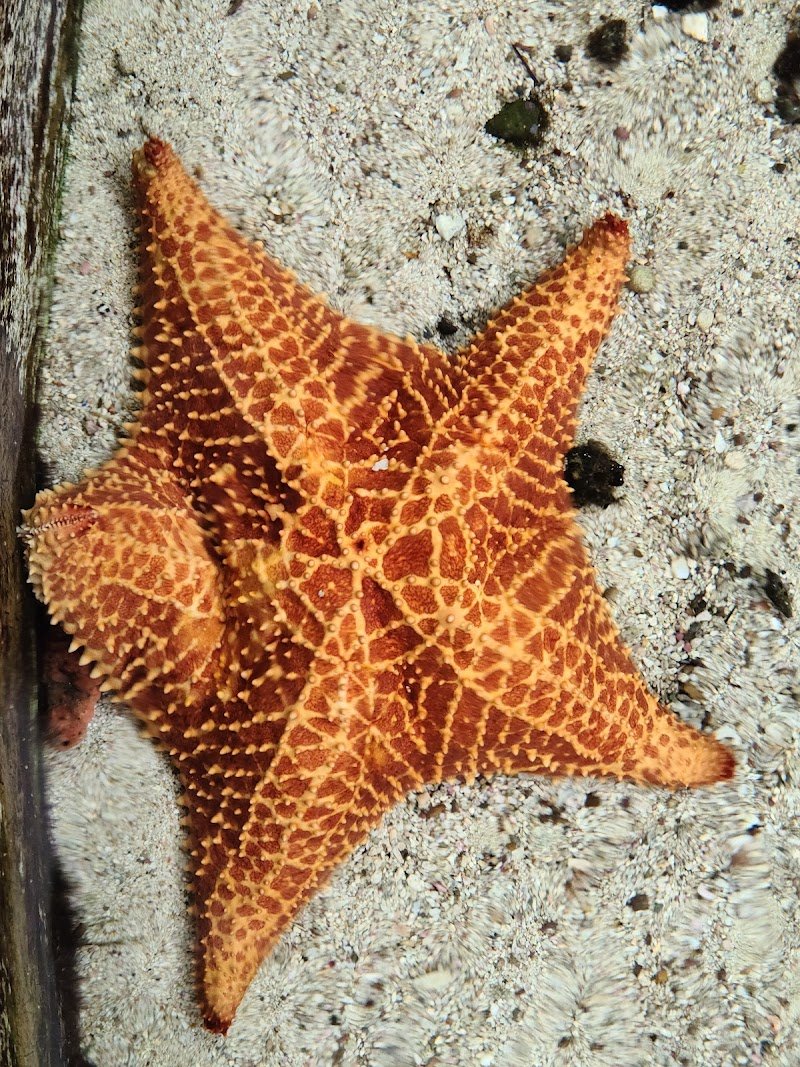
  • Key sights or features: The touch tank (starfish, sea cucumbers, and crabs), an outdoor turtle pool for rescued sea turtles, a tranquil mangrove forest walk, and an interpretive sloth station.
  • Unique experiences: Guided naturalist talks (usually on weekends), hands-on science displays about the Panama Canal Zone’s ecology, and shaded gazebos perfect for a picnic.
  • Photo-worthy locations: The open-air overlooks facing the Puente de las Américas, rocky tidepool areas, and lush nature trails dotted with iguanas and tropical birds.
  • Cultural or historical facts: Punta Culebra occupies land historically connected to both indigenous Guna fishermen and US canal builders; the exhibits highlight ongoing Smithsonian fieldwork across Panama.

Tips for your visit

Down-to-earth and decidedly unfussy, Punta Culebra rewards those who arrive prepared. With most of the center exposed to sun and sea breezes, hats and sunscreen become essential. While some signs and talks are bilingual, a basic Spanish greeting goes a long way with staff and local families. Hungry? Bring snacks, as on-site options are minimal during weekdays. Occasional school groups can crowd the touch tanks, but patience—and a bit of wandering—often lead to quiet moments. Iguanas, monkeys, and even raccoons may show up unannounced; keep cameras handy but a safe distance respected. Mosquito repellent can help in rainy months, and water bottles beat the heat year-round.

  • Best times to avoid crowds: Weekday mornings, especially outside of local holidays or school vacation.
  • What to bring: Water, hat, sunscreen, insect repellent, light rain jacket, and a camera with good zoom.
  • Local etiquette or rules: Respect rope barriers, handle animals gently (when permitted), and keep voices low in wildlife areas.
  • Safety or comfort advice: Wear sturdy shoes for uneven trails, watch for slippery spots after rain, and take frequent shade breaks.