Natural History Museum of Montenegro
Google Places photo

Natural History Museum of Montenegro

Podgorica, Montenegro
i

Natural History Museum of Montenegro

Photo by Viktor Honcharenko

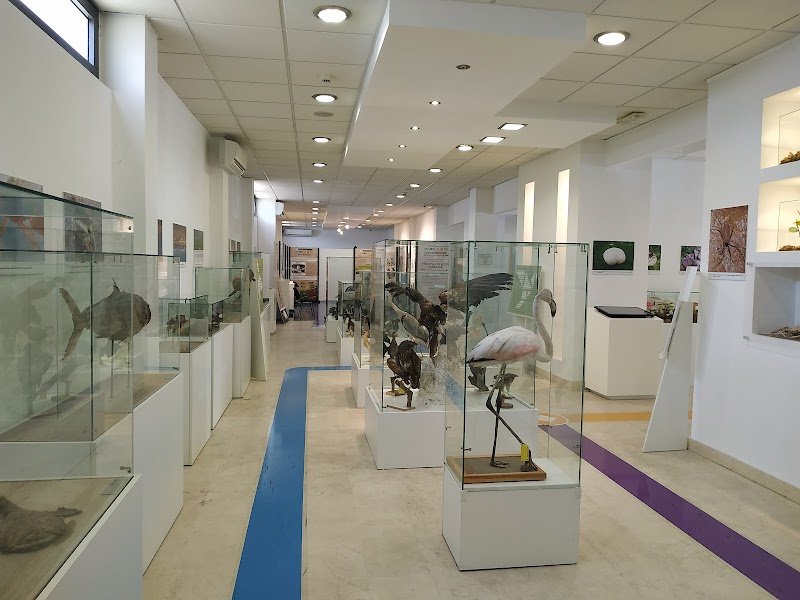
Nestled in the heart of Montenegro, the Natural History Museum of Montenegro stands as a compact showcase of the country’s ecological wonders. Walking through its halls, visitors find a thoughtful blend of science and culture, where the mountains, rivers, and coastlines of Montenegro come alive through curated displays and carefully preserved specimens. Families, students, and travelers interested in the wild beauty of the Balkans all find something here—whether marveling at a fossilized mammoth tooth or learning about rare species peculiar to Balkan forests.

Visiting Info

Currency
Entrance fee
2 EUR
Hours
Opening hours
Monday: 9:00 AM – 5:00 PM
Tuesday: 9:00 AM – 5:00 PM
Wednesday: 9:00 AM – 5:00 PM
Thursday: 9:00 AM – 5:00 PM
Friday: 9:00 AM – 5:00 PM
Saturday: 10:00 AM – 6:00 PM
Sunday: Closed

Contact Information

Location
Address
74 Oktobarske Revolucije, Podgorica, Montenegro

Planning your visit

Finding the Natural History Museum of Montenegro is easy, thanks to its central Podgorica location and manageable size. Since the museum rarely draws overwhelming crowds, most afternoons promise a relaxed atmosphere—especially on weekdays. Tickets are affordable, and the staff regularly opens doors for eager guests interested in regional biodiversity. Many choose to combine a stop at the museum with a stroll through the nearby city park or a café break at Independence Square. For those traveling with family or with mobility concerns, the museum’s single floor layout and accessible entry are especially convenient.

  • Best time to visit: Late morning on weekdays offers the calmest experience. Spring and early autumn bring pleasant weather for city walks before or after your tour.
  • How to get there: Walk from central Podgorica or take bus lines passing by Njegoševa street. Taxis from the train or bus station cost little and take about 10 minutes.
  • Accessibility: The museum is fully accessible for wheelchairs and strollers, with helpful staff for additional assistance.
  • Average visit duration: Plan on 1–2 hours, depending on reading habits and interest in natural sciences.
Must see stuff

The museum’s compact footprint houses a surprisingly rich array of exhibits, each spotlighting a different slice of Montenegro’s natural world. Collections range from shimmering minerals to well-preserved butterfly cases, with dinosaur bones and taxidermied bears drawing both gasps and selfie-seekers. Children delight at the lifelike wolf display, while geology buffs linger over gold-flecked rocks and ancient shells. For those curious about ecology, curated panels highlight endangered local plant species, offering context and urgency. Don’t miss small rooms featuring rotating exhibits, often focused on contemporary environmental issues in the Balkans.

  • Key sights or features: View the fossil section’s mammoth tooth, the butterfly cabinet with rare Balkan varieties, and large taxidermy displays featuring bears and birds of prey.
  • Unique experiences: Ask for a guided tour when available—stories from local staff add depth. Find the section on endemic plant life, often missed by visitors.
  • Photo-worthy locations: The central dinosaur skeleton, the glass-case mineral gallery, and the wolf habitat diorama provide memorable photo backdrops.
  • Cultural or historical facts: Learn why Montenegro’s varied climate shelters so many species, and discover how political changes shaped scientific research here over the decades.

Tips for your visit

A stop at the Natural History Museum benefits from some simple preparation. Since English signage is present but sometimes limited, curious travelers often look for staff to answer questions—usually met with friendliness and enthusiasm. The museum’s compact size means no marathon walk is needed, yet some areas can get warm in summer. The gift stand near the exit stocks handmade souvenirs using local stones and seeds. While the museum is less busy than others, aim to avoid late Saturday afternoons when family groups arrive. Light snacks and water are welcome, but no café is available on site.

  • Best times to avoid crowds: Visit before noon on weekdays; avoid late Saturday afternoons for the quietest visit.
  • What to bring: Carry a camera or phone for photos, a water bottle, and a light sweater for cooler halls.
  • Local etiquette or rules: Speak softly inside exhibit rooms, and don’t touch displays.
  • Safety or comfort advice: No major hazards; however, wear comfortable shoes for walking and bring cash for the small entry ticket or gift shop.

Similar Attractions