Reykjavík Maritime Museum

Reykjavík Maritime Museum

Reykjavik, Iceland
i

Reykjavík Maritime Museum

Photo by Bjørn Nedergaard

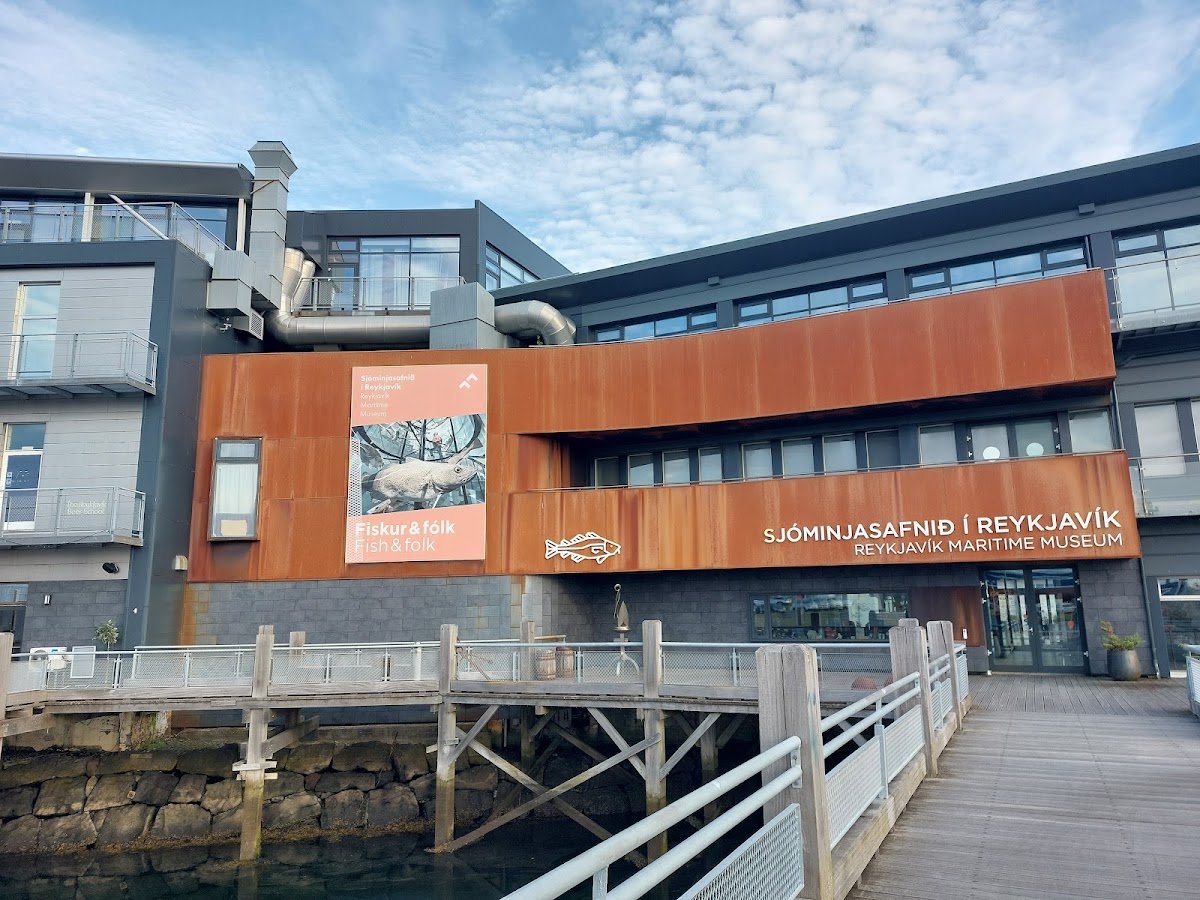
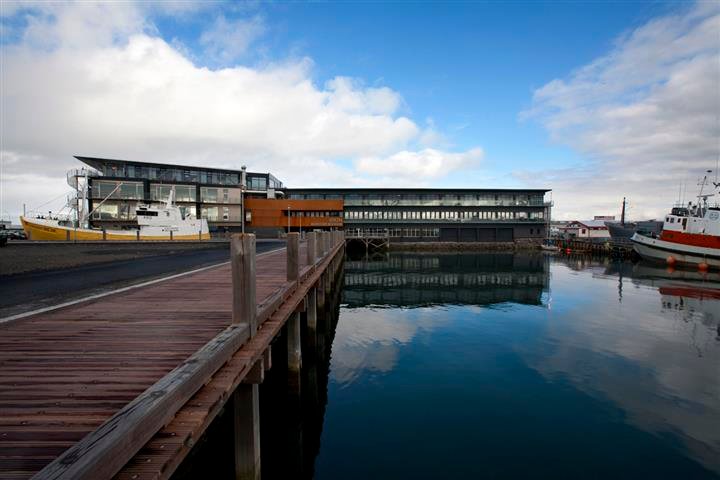
Tucked along Reykjavík’s bustling old harbor, the Reykjavík Maritime Museum gives an eye-opening look at the city’s close relationship with the sea. Here, stories of daring fishermen, icy journeys, and everyday nautical life come alive through creative exhibits. Ships creak in the wind outside, while inside, tales of Iceland’s seafaring culture unfold for visitors of all ages and backgrounds. It’s a lively space where history feels both ancient and current—offering fresh perspectives for those curious about the island nation’s roots.

Visiting Info

Currency
Entrance fee
2550 ISK
Hours
Opening hours
Monday: 10:00 AM – 5:00 PM
Tuesday: 10:00 AM – 5:00 PM
Wednesday: 10:00 AM – 5:00 PM
Thursday: 10:00 AM – 5:00 PM
Friday: 10:00 AM – 5:00 PM
Saturday: 10:00 AM – 5:00 PM
Sunday: 10:00 AM – 5:00 PM

Contact Information

Location
Address
Grandagarður 8, 101 Reykjavík, Iceland

Planning your visit

For travelers heading to the Reykjavík Maritime Museum, some advance preparation pays off. The museum sits at Grandagarður, a short walk from downtown Reykjavík, nestled amid working docks and lively seafood restaurants. The atmosphere shifts with the seasons: winter light adds drama; summer brings more visitors. Visiting early in the morning helps beat tour groups and gives space to browse in peace. The lively café next door becomes crowded during lunch, especially on weekends. Wheelchair ramps and family-friendly restrooms make the museum welcoming for all, but the weather outside can be cold, windy, and wet. Expect to spend two hours, longer if you enjoy reading displays or exploring the ships in depth.

  • Best time to visit: Early morning or late afternoon, year-round; summer brings more crowds, but museum stays cozy.
  • How to get there: Walk from downtown Reykjavík (about 15 minutes); city buses (stop at Grandagarður); limited parking for cars and bikes.
  • Accessibility: Wheelchair accessible; stroller-friendly; family and senior friendly; free lockers for coats.
  • Average visit duration: 1.5 to 2.5 hours, depending on interest in details and ships.

Must see stuff

The heart of the Reykjavík Maritime Museum lies in its carefully curated exhibits and atmospheric harborfront setting. Visitors step into reconstructed fishing huts, explore the icy decks of a retired Coast Guard ship, and spot clever tools once used by local sailors. Photographs, maps, and soundscapes evoke both hardship and community, drawing visitors into Reykjavik’s maritime past. Rare items, such as navigational instruments and homemade trinkets, give a closer look at the lives behind the legends.

  • Óðinn Coast Guard Vessel: Board this imposing ship to wander its metal halls, see the captain’s quarters, and hear stories from the Cold War “Cod Wars” era—great for history fans and kids alike.
  • Permanent exhibits: The “Fish & Folk” gallery connects the dots between the North Atlantic, local industries, and how Reykjavík grew up because of fishing.
  • Interactive displays: Try hands-on knot-tying or navigate a simulated rescue mission on digital screens—fun for families.
  • Dockside views: Step outside to see real fishing boats and old steam trawlers in the small harbor; powerful sunrise and sunset photo backdrops.
  • Cultural insight: Dive into stories about Iceland’s strong, sometimes harsh dependence on the sea—which shaped everything from food to music to politics here.
  • Hidden gem: Special exhibits often focus on modern seafaring or quirky aspects, like pirate radio transmissions or Iceland’s whale-watching boom.

Tips for your visit

Maximize your Reykjavík Maritime Museum experience with a few local tricks. Layer up for wind, especially if stepping aboard Óðinn or roaming the small outdoor docks. Weekdays offer a quieter atmosphere—school groups sometimes crowd exhibit rooms mid-morning, but things calm down by lunchtime. Photography is welcomed, so keep a camera ready for cozy indoor shots or dramatic harbor views. The museum staff happily explains unusual displays or points toward underrated exhibits; don’t hesitate to ask.

  • Best times to avoid crowds: Arrive right at opening, or after 3 pm; skip weekends if seeking peaceful exploration.
  • What to bring: Warm jacket or raincoat, comfortable walking shoes, camera, curiosity about local history.
  • Etiquette: Do not climb or touch historic items without signs saying it’s okay; enjoy a quiet chat in exhibit rooms as locals do.
  • Comfort tips: Take breaks at the harbor café or on seating near the windows; use free lockers to store big bags or wet clothing.