Latvian Railway History Museum

Latvian Railway History Museum

Riga, Latvia
i

Latvian Railway History Museum

Photo by Ryan Austin

Few museums capture a sense of movement through time as vividly as the Latvian Railway History Museum. Sitting on the edge of reality and imagination, this destination brings industrial heritage to life, surrounded by the rhythmic clatter of carriages and the scent of old iron. Steam, steel, and stories linger along the tracks, inviting visitors to explore Latvia's journey by rail, one artifact and one memory at a time.

Visiting Info

Currency
Entrance fee
2 EUR
Hours
Opening hours
Monday: Closed
Tuesday: 10:00 AM – 5:00 PM
Wednesday: 10:00 AM – 5:00 PM
Thursday: 10:00 AM – 8:00 PM
Friday: 10:00 AM – 5:00 PM
Saturday: 10:00 AM – 5:00 PM
Sunday: Closed

Contact Information

Location
Address
Uzvaras bulvāris 2A, Zemgales priekšpilsēta, Rīga, LV-1048, Latvia

Planning your visit

Well-connected to the city, the Latvian Railway History Museum gives travelers a chance to glimpse industrial history in a relaxed, hands-on setting any time of year. Winters invite quieter, introspective walks among indoor exhibits, while summer brings school groups and open-air activities. Trains and tram lines stop nearby, making the museum an easy outing for families, seniors, and solo travelers. Crowds peak on weekends, but there’s room to wander, since most of the displays stretch across spacious halls and outdoor tracks.

  • Best time to visit: Weekdays in spring or fall offer fewer crowds and comfortable weather. Morning visits are more peaceful.
  • How to get there: Hop on Tram 1, 2, or 5 to the "Nacionālā bibliotēka" stop. The museum sits just behind the National Library. Walking from Old Town takes about 20 minutes.
  • Accessibility: Most areas have ramps, smooth paths, and plenty of benches. Strollers and wheelchairs can navigate both major exhibition halls and outdoor rolling stock with some assistance.
  • Average visit duration: Plan for 1.5 to 2 hours for a thorough look, or longer if joining a guided tour or family activity.
Must see stuff

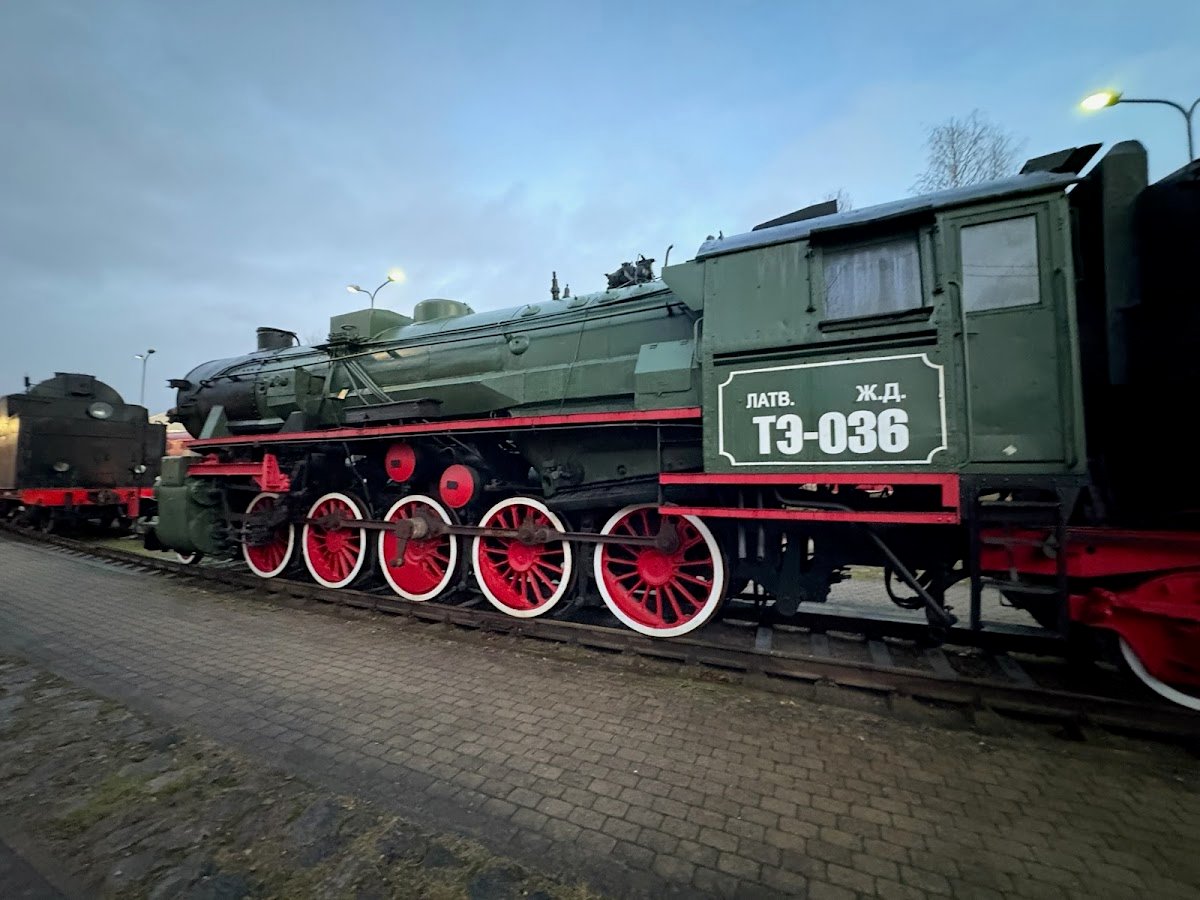
Every corner of the museum tracks the shifting fortunes of Latvia’s rails, from grandeur to hardship and back again. The yard gleams with vintage locomotives, while exhibition halls share smaller objects, quirky tools, and human stories that shaped this Baltic nation. Photography fans love the contrasts—a polished black steam engine against a backdrop of weathered brick, or sunlight streaming through skylights onto brass levers and dials.

  • Key sights or features: The massive steam locomotive class Su, Soviet-era diesel trains, elegant wooden passenger cars, uniforms, regional signaling equipment, and switchboards.
  • Unique experiences: Step inside a working control cabin, ring a genuine signal bell, or follow a scavenger hunt for rare train insignias. Young visitors enjoy the hands-on educational zone and rides on miniature trains during weekends.
  • Photo-worthy locations: The outdoor platform lined with historic train cars, especially at golden hour. The roundhouse with its open doors and the view of Riga’s towers rising beyond old rolling stock.
  • Cultural or historical facts: Latvia’s first railway line opened in 1861, linking Riga to Daugavpils. Railways played a vital role in Latvia’s independence, wartime evacuations, and economic development. Soviet artifacts and local design touches reflect complex decades of occupation and renewal.

Tips for your visit

A little planning goes a long way at the Latvian Railway History Museum. Outdoor spaces are partly exposed to wind or rain, so weather-appropriate clothing helps. Exhibits invite curious hands, but some fragile displays ask for a gentle touch. Staff appreciate keen questions—many are former railway workers eager to share stories or personal favorites.

  • Best times to avoid crowds: Midweek mornings are usually quiet. Try late afternoons for fewer child groups.
  • What to bring: Comfortable shoes—gravel and some uneven floors. A light snack and water, since there’s no full café on site, though vending options exist.
  • Local etiquette or rules: Children should stay with adults near tracks and on board trains. Flash photography is allowed in most spots, but be mindful of special exhibitions.
  • Safety or comfort advice: Low train steps may challenge those with limited mobility but staff are happy to assist. Layering clothes helps for chilly platforms.