Google Places photo

Riga Art Nouveau Center

Riga, Latvia
i

Google Places photo

Photo by Sergey Belov

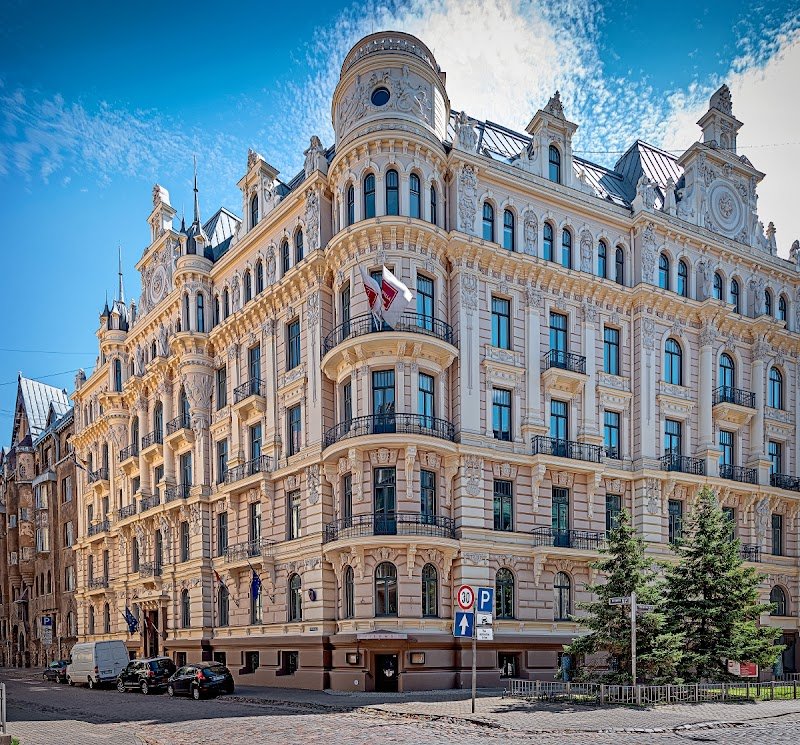
Elegant, captivating, and a little surprising—the Riga Art Nouveau Center stands as a vibrant tribute to the city's golden age of creative expression. With swirling facades and intricate ornamentation, this museum envelops guests in an atmosphere both refined and whimsical. Beyond its beauty, the center provides a close look at the everyday life and culture that flourished during the early 1900s, when Art Nouveau left its permanent mark on Riga's streets and dreams.

Visiting Info

Currency
Entrance fee
9 EUR
Hours
Opening hours
Monday: Closed
Tuesday: 10:00 AM – 6:00 PM
Wednesday: 10:00 AM – 6:00 PM
Thursday: 10:00 AM – 6:00 PM
Friday: 10:00 AM – 6:00 PM
Saturday: 10:00 AM – 6:00 PM
Sunday: 10:00 AM – 6:00 PM

Contact Information

Location
Address
Alberta iela 12, Centra rajons, Rīga, LV-1010, Latvia

Planning your visit

To fully experience the allure of Riga Art Nouveau Center, advance planning gives each moment extra ease. Located in the heart of Riga’s quiet Alberta iela, the center is part living museum, part time capsule. Mornings on weekdays tend to draw fewer visitors, letting each decorative flourish command attention. While weekends buzz with tourists, late afternoons can be surprisingly calm. Tickets are sold on-site and include access to both permanent collections and temporary exhibits. The building sits within an easy stroll from Old Town, with public transit and taxis available for those preferring a quick connection.

  • Best time to visit: Spring and early autumn for comfortable weather; weekday mornings for fewer crowds
  • How to get there: 15-minute walk from Riga Old Town; accessible by Tram 11, or short taxi ride from the city center
  • Accessibility: Stroller- and wheelchair-friendly entrance, but some rooms may have small thresholds
  • Average visit duration: 60–90 minutes to see highlights and enjoy main exhibits
Must see stuff

Inside, richly restored interiors evoke a vanished era. Ceilings arch overhead with elaborate stucco details. Every room echoes the spirit of the early 20th century, complete with authentic furniture and period décor. The museum’s thoughtful displays encourage slow exploration—both the obvious works of art and the quieter wonders, like door handles shaped into graceful vines or stained glass windows glowing in the afternoon sun. Adjacent blocks along Alberta iela tempt those curious about more Art Nouveau masterpieces, with street after street of facades that blend fantasy and restraint. For fans of history, the center doubles as a window into Riga’s unique cultural evolution.

  • Key sights: Original Art Nouveau staircase, preserved drawing room, restored kitchen, rooftop viewing window
  • Unique experiences: Self-guided photo tours, workshops on Jugendstil design, interactive children’s activities
  • Photo-worthy locations: Ornate main doorway, stained glass foyer, the spiral staircase with its fanciful ironwork
  • Cultural or historical facts: The building was once home to famed Latvian architect Konstantīns Pēkšēns; Riga boasts the largest concentration of Art Nouveau architecture in Europe

Tips for your visit

Comfort counts here—both for enjoying the museum and for adventuring along nearby streets. Light changes from room to room, so visitors with cameras may want to keep an eye on window angles. Staff speak English, Latvian, and Russian, offering a welcoming atmosphere for international guests. Occasionally, school tours fill the space with noise, but patience rewards quieter moments. The center’s location near many cafes makes it easy to extend a cultural day with a local meal or simple coffee.

  • Best times to avoid crowds: Arrive at opening or an hour before closing, especially on weekdays
  • What to bring: Comfortable shoes for exploring nearby streets, a camera, and a bottle of water
  • Local etiquette: Photography is welcome in most rooms (but not all), so ask staff when unsure; keep voices low to respect other guests
  • Safety or comfort advice: Watch for steep stairs; some original floors are uneven—pay attention in dim areas