Google Places photo

Riga UNESCO World Heritage Site

Riga, Latvia
i

Google Places photo

Photo by Andreas Weidner

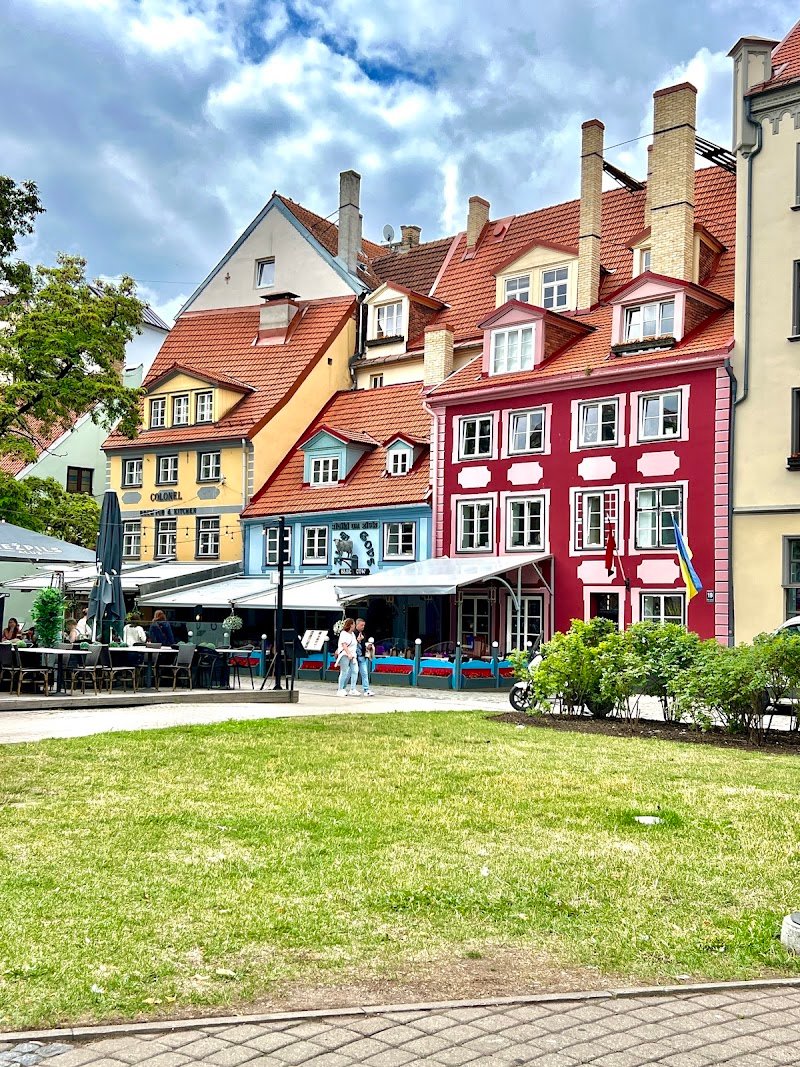
Winding cobblestone streets, ornate spires, and a rich history combine at one UNESCO World Heritage Site that feels much larger than its compact borders. This preserved patchwork of medieval lanes, colorful Art Nouveau buildings, and hidden courtyards tells a layered story shaped by centuries of change. Locals linger at outdoor cafes nestled between Gothic churches and bustling markets, while music from street performers floats beside decorative facades. The sense of timelessness hangs in the air, inviting travelers to wander without hurry and discover grand sights as well as quiet corners.

Visiting Info

Currency
Entrance fee
Free
Hours
Opening hours
Monday: Open 24 hours
Tuesday: Open 24 hours
Wednesday: Open 24 hours
Thursday: Open 24 hours
Friday: Open 24 hours
Saturday: Open 24 hours
Sunday: Open 24 hours

Contact Information

Location
Address
Vecrīga, Central District, Riga, LV-1050, Latvia

Planning your visit

Exploring the Riga UNESCO World Heritage Site often starts with setting the right pace. Most trips begin in the lively Old Town, with winding streets best enjoyed by foot. Visitors find that each season reveals a different mood, whether gentle spring blossoms, lively summer festivals, golden autumn leaves, or twinkling winter lights. Arriving by train or bus puts travelers steps from the historic core, while taxis and bikes suit those staying farther away. Crowds gather most during the mid-day hours and peak weekends, yet early mornings unlock peaceful plazas and clear photo backdrops. Tickets are not needed for entry into the area itself, though certain museums and towers may require a small fee.

  • Best time to visit: Late spring (May-June) and early autumn (September) for fewer crowds and mild weather; early morning or late afternoon for soft light and quieter streets
  • How to get there: Walk from Riga Central Station (5-10 minutes), local trams and buses stop close to the Old Town, taxis and ride-shares available, bike rentals nearby
  • Accessibility: Mostly pedestrian-friendly, but cobblestones can be uneven in places; many cafes and museums offer ramps or access for strollers and wheelchairs
  • Average visit duration: 2-4 hours for highlights; full day for in-depth exploring
Must see stuff

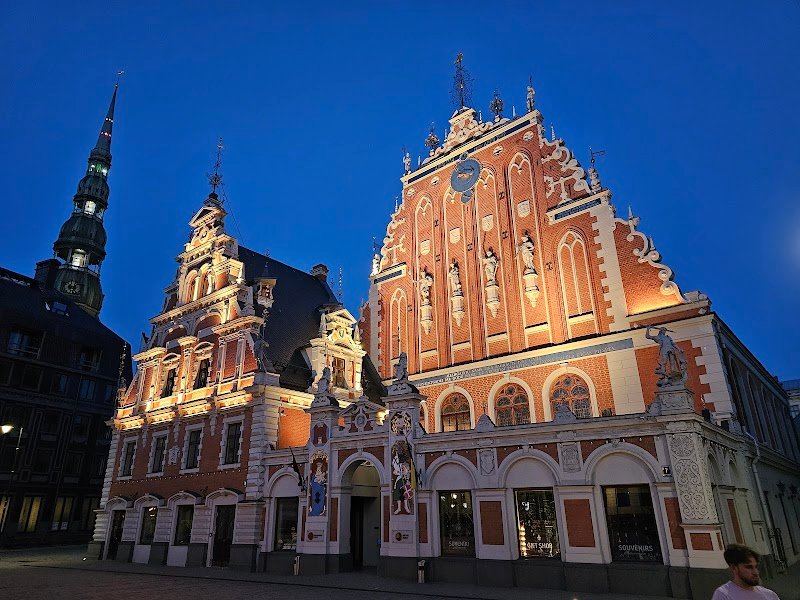
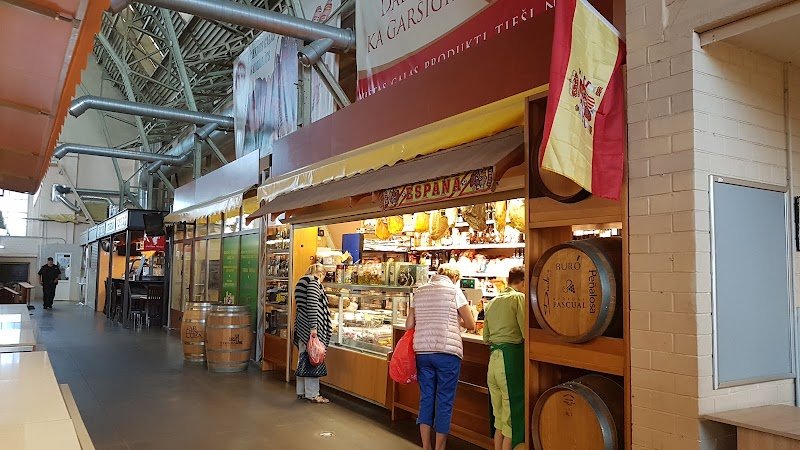
The heart of the UNESCO site covers Vecrīga, or Old Riga, along with neighboring districts filled with some of Europe’s richest Art Nouveau architecture. Grand landmarks mix with local secrets, offering something for architecture buffs, history lovers, and those who just want to sit and watch city life unfold. St. Peter’s Church towers over all, while Riga Castle and the House of the Blackheads draw those eager for stories of past trade guilds and monarchs. For every major monument, a quiet alley or quirky shop waits just around the bend.

  • Key sights or features: St. Peter’s Church and its tower, House of the Blackheads, Riga Cathedral (Dom), Swedish Gate, Powder Tower, Three Brothers
  • Unique experiences: Take the lift up St. Peter’s tower for sweeping city views; listen to organ concerts inside the cathedral; join a guided walking tour to pick out Art Nouveau details on Alberta iela; explore quiet inner courtyards near Maza Pils iela
  • Photo-worthy locations: Dome Square at sunset, Art Nouveau facades on Elizabetes and Alberta streets, the ornate entrance of the House of the Blackheads, reflections of old rooftops in the Daugava River
  • Cultural or historical facts: Riga’s Old Town was founded over 800 years ago as a bustling Hanseatic trade port; Many of the buildings bear traces of German, Swedish, and Russian influence; The area boasts one of the densest collections of Art Nouveau buildings in the world

Tips for your visit

Preparing for changes in weather, watching your step on ancient stones, and slowing down for local rhythm make a Riga visit much more appealing. Early mornings and weekday afternoons often promise fewer crowds in the key squares, while the smaller museums and open-air markets introduce curious visitors to daily local life. Comfortable walking shoes are important for wandering, as the pavement can be rough and narrow in places. Though most locals speak English, a simple “paldies” (thank you) in Latvian earns warm smiles. Travelers should watch for cyclists zipping through quiet lanes and pack a light sweater, even in summer, as weather can shift quickly.

  • Best times to avoid crowds: Early mornings, late evenings, and midweek days
  • What to bring: Water bottle, camera, easy layers, sturdy shoes
  • Local etiquette: Dress modestly when entering churches, greet shopkeepers upon entering, respect posted rules around restricted areas
  • Safety or comfort: Stick to lit streets at night, mind uneven pavement, keep an eye out for sudden rain showers