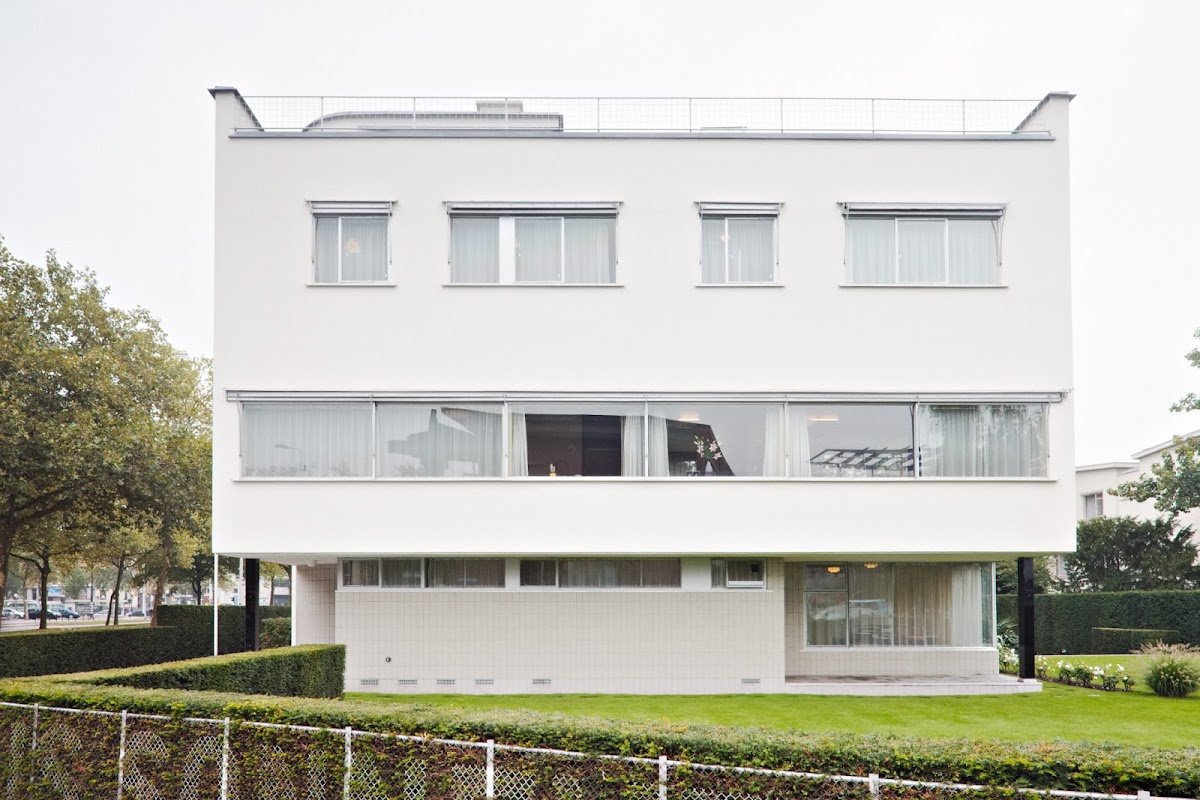
Sonneveld House

Sonneveld Huis

Rotterdam, Netherlands
i

In Rotterdam, a quiet, tree-lined street leads to a landmark where modern architecture seems to whisper subtle stories about life in the early 20th century. Sonneveld Huis, an immaculately preserved house museum, offers more than a simple look back in time. Walking through its doors, visitors step into the essence of Dutch functionalism, cleverly displayed through space, color, and light. Here, every object, from lamp to carpet, helps to unravel both the dreams and routines of its original residents, inviting travelers to experience history and design in a living, breathing form.

Visiting Info

Currency
Entrance fee
15 EUR
Hours
Opening hours
Monday: Closed
Tuesday: 10:00 AM – 5:00 PM
Wednesday: 10:00 AM – 5:00 PM
Thursday: 10:00 AM – 5:00 PM
Friday: 10:00 AM – 5:00 PM
Saturday: 10:00 AM – 5:00 PM
Sunday: 10:00 AM – 5:00 PM

Contact Information

Location
Address
Jongkindstraat 12, 3015 CG Rotterdam, Netherlands

Planning Your Visit

Preparing for a trip to Sonneveld Huis goes beyond picking a day on the calendar. While spontaneous visits reveal surprises, a bit of planning rewards guests with time to pause—time to peer through glass walls and trace the edges of sturdy steel frames. Sonneveld Huis remains a popular stop among curious couples, school groups, and fans of architecture, so securing an entry slot can make all the difference, especially during busy seasons.

  • Best time to visit: Spring and early fall bring fewer crowds and mild weather; mornings offer quieter moments, especially midweek.
  • How to get there: From Rotterdam Central Station, trams and buses reach the Museumpark area within minutes. For those who prefer walking, expect about a 20-minute stroll. Bicycle access is easy, with racks nearby.
  • Accessibility: Most of the house is accessible for families and seniors, but some upper floors have narrow stairs and no elevator.
  • Average visit duration: Set aside one to two hours to explore at a relaxed pace and enjoy neighborhood cafés afterward.

Must See Stuff

Every corner of Sonneveld Huis unfolds another layer of modernism. Designed by architects Brinkman & Van der Vlugt in 1933, the house feels at once practical and experimental. Bold yellow rugs, built-in bookshelves, and streamlined furniture bring stories to life—stories about a forward-thinking Rotterdam family and a city eager to rebuild and innovate. While every room has character, several features stand out and promise memories to last long after the visit ends.

  • Living Room and Garden Views: Oversized windows blur boundaries between inside and out, offering clear shots of nearby greenery that locals adore in any season.
  • Kitchen and Service Areas: Original gadgets and stainless steel cabinets showcase early Dutch design trends and the era’s love of efficiency.
  • Master Bedroom and Balconies: Curved walls, pops of red, and access to private balconies provide peaceful spots perfect for reflection or photos.
  • Audio Tour Experience: Narration from real residents and neighbors adds color to historical facts, making the visit feel both personal and vivid.
  • Hidden Corners: The servants’ staircase and tiny office offer glimpses into everyday life, where small details—like a folding sink or tucked-away phone—bring authenticity to every step.
  • Cultural note: Sonneveld Huis joins other modernist icons in Rotterdam, often featuring in architecture weekends and citywide events.

Tips for Your Visit

Though Sonneveld Huis embraces visitors with quiet elegance, a handful of thoughtful tips help turn a good visit into a great one. Comfortable shoes are a must on the original hardwood floors. Cameras find willing subjects everywhere, but tripods and flashes stay home. The museum welcomes questions, and staff often share extra details if asked politely. For families with small children, strollers can stay in the entry area, making it simpler to wander narrow passages without worry.

  • Best times to avoid crowds: Early mornings or late afternoons, especially on weekdays, offer room to linger and reflect.
  • What to bring: Light bag, water bottle, camera or phone for photos, and a gentle touch for period furnishings.
  • Local etiquette: Voices stay soft indoors; touching displays is not allowed, but asking for stories or background is encouraged.
  • Safety and comfort: Watch for low doorways and a few uneven steps; take steady photos but keep bulky bags secure.