Google Places photo

Fort Point National Historic Site

i

Google Places photo

Photo by A M

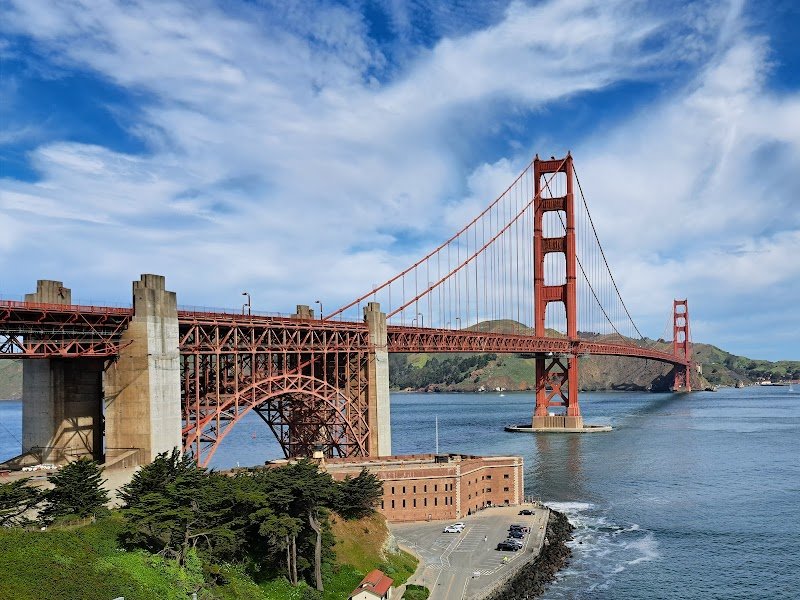
Fog drifts past arched brick corridors. The salty tang of the Pacific brushes against strong stone ramparts. Fort Point National Historic Site, tucked beneath San Francisco’s most famous bridge, stands as a living memory of wartime vigilance and stubborn craftsmanship. History here is not locked away in glass but carved into the cool granite, echoing the age of cannons and clanging boots. For travelers seeking the city’s heart—past and present—nowhere offers a view quite like this coastal fortress, set where land meets sea and visionaries raised watchtowers against the unknown.

Visiting Info

Currency
Entrance fee
Free
Hours
Opening hours
Monday: 10:00 AM – 5:00 PM
Tuesday: Closed
Wednesday: Closed
Thursday: 10:00 AM – 5:00 PM
Friday: 10:00 AM – 5:00 PM
Saturday: 10:00 AM – 5:00 PM
Sunday: 10:00 AM – 5:00 PM

Contact Information

Location
Address
201 Marine Dr, San Francisco, CA 94129, USA

Planning Your Visit

Visiting Fort Point requires only a little planning but promises high returns. Because crowds are common during weekends or sunny holidays, those who prefer quiet should consider weekday mornings. The fort has free entry and often surprises first-time visitors with its easy access under the Golden Gate Bridge. While public buses and bikes can reach the site, some choose to walk coastal trails for unforgettable views. Expect mild weather—foggy even in summer—and dress accordingly. Parking is limited, so patience pays off on busier days.

  • Best time to visit: Early mornings on weekdays, especially in fall or winter when fog paint the strait and crowds thin.
  • How to get there: Take Bus 28 or 30, bike or walk via the Presidio trails, or park in the small lot near the entrance.
  • Accessibility: Main floors accessible for strollers and wheelchairs; some upper levels require stairs.
  • Average visit duration: 1.5 to 2 hours, longer if exploring walking paths nearby.

Must See Stuff

Few historic forts offer such a blend of architecture, ocean energy, and iconic scenery as Fort Point. Each hallway tells a story—some with weathered cannons aimed at the bay, others leading to unexpected angles beneath the bridge. Small placards reveal tales from the Gold Rush through World War II. Outside, gulls cry above catwalks and brick arches, while visitors linger for photos just as the fog lifts off bright orange steel.

  • Key sights: Massive Civil War–era cannon rooms, three floors of arched corridors, a rooftop parade ground with unparalleled views of the Golden Gate Bridge.
  • Unique experiences: The echoing sound effects in brick halls, ranger-led tours (often free), hidden stairways, and tidepool watching along the rocky shoreline downstairs.
  • Photo-worthy locations: The open top floor facing north toward Marin Headlands, looking straight up at the Golden Gate Bridge, and the fort’s entrance at sunrise or sunset for soft, golden light.
  • Cultural or historical facts: The fort was constructed almost entirely by hand in the 1850s. No shots were ever fired in conflict, though the structure served as a vital defense post for over a century; it is now a rare example of military architecture from the Gold Rush era kept so well-preserved.

Tips For Your Visit

Enjoyment of Fort Point comes easiest with a bit of preparation. Weather shifts quickly—the site is famous for chilly winds even on sunny days. Bring layers, sturdy shoes, and a camera. While picnicking on site isn’t allowed within the fort walls, nearby beaches and trails offer perfect spots. Respectful quiet is expected in the historic halls, especially during ranger talks. The fort closes for high surf or maintenance, so check schedules before setting out. Don’t rush. Let the salt air and distant sounds anchor you in this rare junction between old stone and open sky.

  • Best times to avoid crowds: Weekday mornings or foggy afternoons; holidays are busiest.
  • What to bring: Light jacket, walking shoes, camera or smartphone, and a water bottle (no food inside the fort).
  • Local etiquette or rules: Stay on marked paths, don’t climb on walls, and respect quiet zones during guided talks or school visits.
  • Safety or comfort advice: Watch for slippery bricks when damp; small children should be supervised on narrow stairs and open rooftop areas.